The Spectator

The Spectator at war: ‘The great war has come…’

From our UK edition

This is the first in a series of daily extracts from the Spectator during the course of the first world war. The aim is not to tell the full story of the conflict, or even to provide a full assessment of our coverage of it — that requires deeper expertise and a wider view. Our regular archive writer Molly Guinness will continue to provide such a perspective. Instead, we’ll seek to give an impression, week by week and page by page, of the atmosphere of the time, with a minimum of commentary and hindsight.
Germany’s forgotten war

From our UK edition

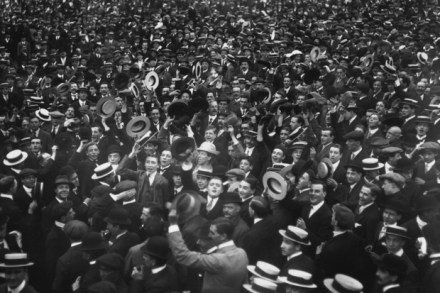
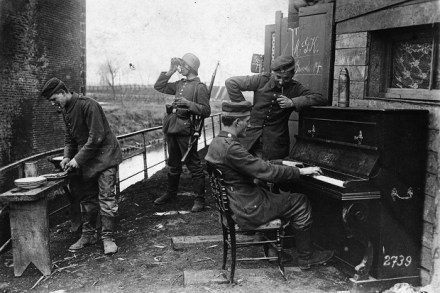
Britain is braced for the anniversary of the outbreak of world war one. Memorials and events are taking place across the country this weekend. Not so in Germany, where reticence reigns.  This week’s Spectator features a piece by Antonia Oettingen, a descendant of Karl Max von Lichnowsky, the Kaiser’s ambassador in London from 1912-1914. She explains why Germany is shy about the Great War. 'In 1912 Kaiser Wilhelm had an ambitious task for my great-great-great uncle Karl Max von Lichnowsky. He sent him to London to be our ambassador there, with orders to try to ensure Britain’s neutrality (at the very least, in cases of conflict with Russia and France).

Spectator letters: Nepotism, aid and Chatsworth

From our UK edition

Nepotism rules Sir: Julie Burchill’s piece ‘Born to be famous’ (26 July) was very strong and as, like her, I’m an ex-Labour supporter turned conservative, it echoed my opinions. The performing arts in particular were a great outlet for the untapped talents of what we used to call the working classes. Between the mid-1950s and about 1980, coming from a modest background was no handicap in the arts or (primarily Labour) politics. Today’s media/political axis is rife with both nepotism and persons who have little comprehension of everyday life.