The Spectator

The Spectator at war: An eloquent call to arms

From The Spectator, 12 September 1914: We were unable to find space last week in which to chronicle the election of the new Pope—Cardinal della Chiesa. Let us trust that, though he takes possession of the Holy See at a period of such stress and storm, the major part of his pontificate may be peaceful
The Spectator at war: Normal public service

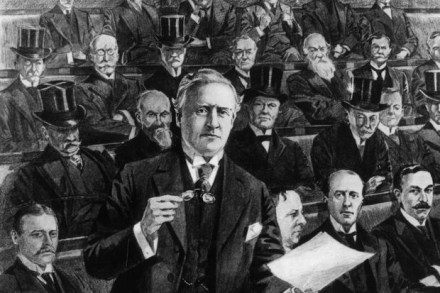
THE WAR AND THE CIVIL SERVICE. [To the Editor of The Spectator] SIR,—May I suggest that some of the normal public services may, for the time, be curtailed in order to give patriotic young men the opportunity of serving their country in another way? The number of deliveries of letters might be reduced without serious

The Spectator at war: A city at war

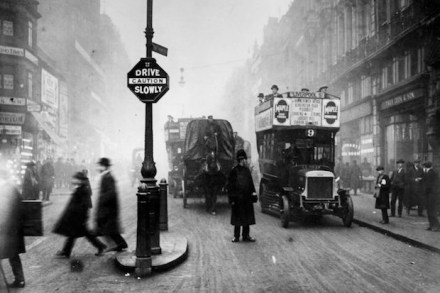
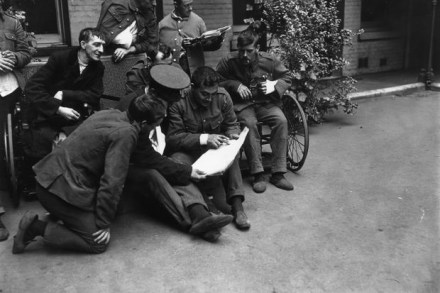
From The Spectator, 5 September 1914: LONDON changes day by day, and the London of the first few days of the war lies far in the past, distant for all of us by differently measured aeons of time. The trainloads of troops, the horses, the hurry, the altered railway service, the packed streets, the questioning

An undiplomatic history of British diplomatic dinners

In poor taste US Ambassador Matthew Barzun attracted the ire of chefs for complaining that he had been served lamb and potatoes too often since arriving in Britain. Some others who have landed in the oxtail soup after complaining about British food: — At a summit in 2005 former French President Jacques Chirac was said

Portrait of the week | 4 September 2014

Home Britain’s terror threat level was raised from ‘substantial’ to ‘severe’ in response to fighting in Iraq and Syria, meaning that an attack on Britain was ‘highly likely’. Three days later, David Cameron, the Prime Minister, in a hesitant statement to the Commons, proposed that: police should be able to seize temporarily at the border