Podcast: George Osborne’s conference speech
From our UK edition
Isabel Hardman and James Forsyth were both at George Osborne's speech this afternoon.

From our UK edition
Isabel Hardman and James Forsyth were both at George Osborne's speech this afternoon.
From our UK edition
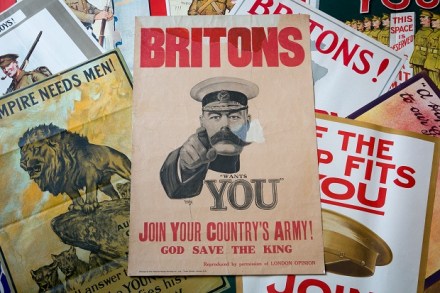
From The Spectator, 26 September 1914: [TO THE EDITOR OF THE " SPECTATOR."] SIR,—Devon recruiters are in despair at the raising of the standard of height to 5 ft. 6 in., for the average height of our West Country men is apparently low. To the non-military mind it seems difficult to understand why the man of 5 ft. 6 in. should be expected to fight better than his brother who is 5 ft. 5 in. One suspects that smartness of appearance on parade has something to do with the reissue of this regulation. If so, why not form a separate regiment of short men to be known as the "Five-Footers "? They would come to be known as the "Little Uns," and most of ua would be apt to add to "little un" the title "plucky.

From our UK edition
From The Spectator, 26 September 1914: [TO THE EDITOR of THE "SPECTATOR."] Sir,—I am having put up in our parish church a brass on which is inscribed the names of all parishioners who are serving in the present war. A space will be left after each name in which the fortune of the parishioner can be inserted at the end of the war. Of course it will take a little time to know who is serving or will serve and to make the brass, but the fact that such a brass is in contemplation has been announced in the hopes that it may be some little encourage- ment to recruiting.
From our UK edition
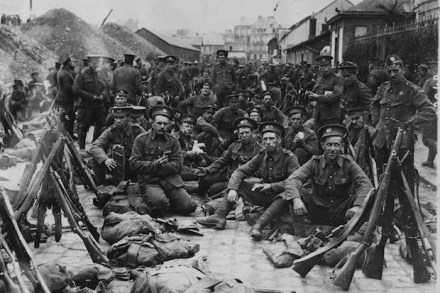
From The Spectator, 26 September 1914: One knew, of course, perfectly well that there was a very good feeling between men and officers in the British Army, and that there was a great deal of mutual respect and liking and good fellowship. What is very moving, however, is the belief that every soldier seems to have that his particular officer is the ablest, bravest, most careful, and most con- siderate man in the Army. Half the stories are prefaced by such remarks as: "You see, we had the luck to have a wonderful good officer. He knew exactly what ought to be done. We'd have followed him anywhere " —and so on.
From our UK edition

From our UK edition
From our UK edition
From our UK edition
From our UK edition

From our UK edition

From our UK edition
From our UK edition
From our UK edition
From our UK edition
From our UK edition
From our UK edition
From our UK edition
From our UK edition
From our UK edition
From our UK edition