The Spectator

The Spectator at war: Blood and water

From our UK edition

From News of the Week, The Spectator, 12 December 1914: An incident connected with the naval action off the Falkland Islands which has touched us deeply, and which we are sure will touch the whole of our countrymen, has been the chorus of delight—no other phrase will do—with which the victory has been received in America. Blood may be thicker than water, but salt water and blood mixed, where the English-speaking race is concerned, carry all before them. Though the Americans on the business side of their beads are rightly determined to maintain a strict neutrality, that neutrality cannot resist the strain of a sea fight.

The Spectator at war: Revenge on the seas

From our UK edition

From News of the Week, The Spectator, 12 December 1914: The week has been a week of good news. Last in order but first in importance comes the naval victory off the Falkland Islands. No summary of this news can better the Admiralty's own report, which is splendid in its terseness and reticence:— "At 7.30 a.m. on December 8th, the Scharnhorst,‘Gneisenau,’ ‘Nürnberg,’ ‘Leipzig,‘ and ‘Dresden’ were sighted near the Falkland Islands by a British Squadron under Vice-Admiral Sir Frederick Sturdee. An action followed, in the course of which the 'Scharnhorst,' flying the flag of Admiral Graf von Spee, the ‘Gneisenau,' and the 'Leipzig' were sunk. The 'Dresden' and the `Nurnberg' made off during the action and are being pursued.

The Spectator at war: The honourable spy

From our UK edition

From The Honourable Spy, The Spectator, 5 December 1914: Decency is violated by the military spy when he becomes, for instance, a naturalized subject of a foreign Power only to betray his adopted country. No such charge of dishonour can be brought against the German spy Lody who was shot at the Tower. He spied, he was discovered, and he paid the penalty without repining. In his last letter he compared his fate with that of the soldier on the field, modestly claiming a slightly lower place, and with admirable fairness he did not forget to pay a tribute to the justice of his judges. He took his chances and lost the game, but he played it intrepidly and within the rules to the last.

The Spectator at war: Censorship and mystification

From our UK edition

From The Policy of Mystification, The Spectator, 5 December 1914: Let us say that we have not ourselves suffered from the Censorship at all. We have never submitted, and have never been asked to submit, any article to the Press Bureau. Such censorship as has been exercised in our columns has been the purely voluntary censorship which is exercised at all times, whether in war or in peace, by every editor who has any sense of public duty, and that remark, we believe, applies to the whole British Press, daily and weekly.

The Spectator at war: Military timetables

From our UK edition

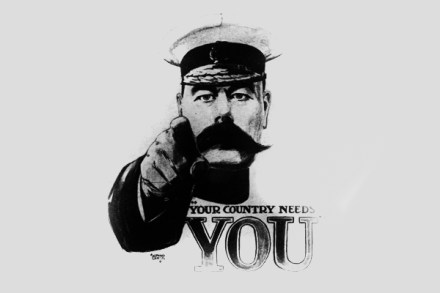
From News of the Week, The Spectator, 5 December 1914: Friday's Times contains extracts from an interview with Lord Kitchener, published in the Saturday Evening Post— a weekly newspaper with a large circulation in all parts of the United States. Nothing could be better than the passage in which Lord Kitchener dealt with the action of the Germans in Belgium :— "War has its ethics; but if ever a soldier is to become judge of the behaviour of the civil population of a hostile country, if he is to be not only judge and jury, but the inflicter of punishment, why, then, to my conception, he loses his proper ordained functions as soldier and becomes executioner.