The Spectator

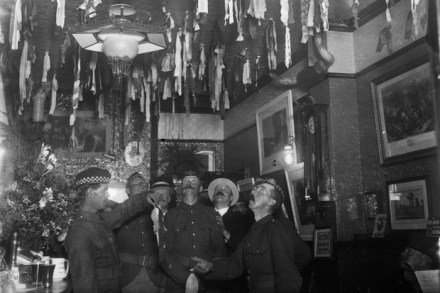
The Spectator at war: Temperance movement

From our UK edition

From ‘The Racing Problem’, The Spectator, 20 March 1915: We are not temperance fanatics. We do not suggest the prohibition of the public sate of intoxicants in order to penalize any one or to punish people for having sold alcohol in the past. We do not regard either the sale or the consumption of alcohol as a crime. A moderate consumption of alcohol does no more harm either morally or physically than a moderate indulgence in other unnecessary luxuries like smoking. We know, too, that a permanent temperance, a temperance worth having, can only come by a change in national habits—through freedom, not through interference with liberty. What we are asking for is merely war prohibition in order to produce national efficiency at the moment.

The Spectator at war: Freedom of the seas

From our UK edition

From ‘How We Are Blockading Germany’, The Spectator, 20 March 1915: We are, indeed, fighting against a thoroughly unscrupulous enemy, and we have to consider how we can bring the war to an end in the shortest possible time. If we shorten the war, we shall save life—the lives of the non-combatants at sea who are threatened by Germany's diabolical engines—and shall redeliver to the world the seas free and open to traffic. We shall sustain Liberty against despotic dictation, and vindicate the sanctity of national pledges. Beside such objects temporary commercial inconveniences are really small matters. We cannot help feeling strongly that we shall make a great mistake if we try to argue solely on legal grounds.

Spectator letters: John Major on James Goldsmith

From our UK edition

The Goldsmith effect Sir: Much as I admire filial loyalty, I cannot allow Zac Goldsmith’s article about his father to go uncorrected (‘My dad saved the pound’, 28 February). Sir James Goldsmith was a formidable campaigner against the European Union and the euro currency, but at no point did he alter government policy. Zac Goldsmith suggests that I did not offer a referendum on membership of the euro currency out of conviction. This is wrong. I believed that any decision to abandon sterling — which I myself did not favour — was so fundamental that it would need national endorsement. On constitutional grounds some Cabinet members dissented, but many will confirm that I was seeking agreement for such a policy long before the Referendum party was founded.

How weird is it to have a second kitchen?

From our UK edition

Cooking statistics Ed Miliband was photographed in a miserable kitchen, but it turned out to be only a snack preparation room which he has in addition to a large kitchen downstairs. What is the state of the nation’s kitchens? — The average size in England, according to official data, is 11 square metres. Five per cent of homes have a kitchen smaller than five square metres and 17 per cent have kitchens large than 15 square metres. Some 13 per cent have, like Ed’s, a separate utility room or second kitchen. — 955,000 English homes are estimated to have a hygiene problem, and in 4 per cent of these the cleanability of the kitchen is deemed to be an issue.