The Spectator

The Spectator at war: Calm before the storm

From our UK edition

From 'News of the Week', The Spectator, 3 April 1915: Whether it is the lull before the storm or only an accident we do not know, but in any can there is a most curious absence of news both from the western and the eastern theatres of the war. In the western sea area we read of a certain amount of Zeppelin activity, but not of a very important kind. Of fresh news from the land there is very little except from the Argonne, where as neual the fighting sways backwards and forwards, but with a slight inclination in favour of the French. In the eastern theatre the reports from the centre show that the Russians are holding their own still in the Carpathians, and that their offenaive continues to gather strength and volume.

The Spectator at war: Loyal toast

From our UK edition

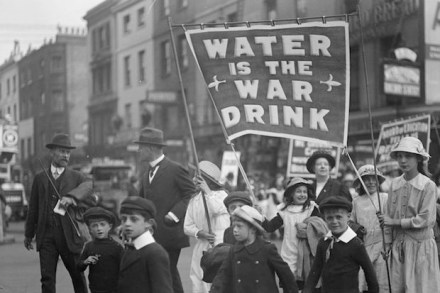
From News of the Week, The Spectator, 3 April 1915: THE King has done a big thing, and done it with characteristic modesty and freedom from sensationalism. On Thursday there was published a letter addressed by his private secretary, Lord Stamfordham, to the Chancellor of the Exchequer. "The King," says Lord Stamfordham, "feels that nothing but the most vigorous measures will successfully cope with the grave situation now existing in our armament factories." The evidence "without doubt" points to the fact that our inability "to secure the output of war material indispensable to meet the requirements of our Army in the field" is largely due to drink.

The Spectator at war: The polite pirate

From our UK edition

From ‘News of the Week’, The Spectator, 27 March 1915: On Friday the Admiralty announced that they bad good reason to believe that the German submarine 'U29' bad been sunk with all hands. The vessel was commanded by Captain Weddigen, who sank three British cruisers at the be- ginning of the war, and who on March 12th, when off the Scilly Islands, destroyed three trading ships. Captain Weddigen, for the courtesy he displayed to his victims, earned the name of the "Polite Pirate." He not only expressed his regret at having to sink merchant ships, but entertained the crews and towed their boats some distance towards the land. He was brave and skilful, and as humane as his orders would allow him to be.