Mountain 2
From our UK edition
From our UK edition
From our UK edition

From our UK edition

From our UK edition
From our UK edition
From our UK edition
From our UK edition
From our UK edition
From our UK edition
From our UK edition
From our UK edition
From our UK edition
Caught working The government announced a crackdown on illegal workers. How many illegal workers are caught in Britain? — From October to December last year, 716 illegal workers were caught, 337 in London and the south-east. Among those caught were restaurant workers in Chinatown, a takeaway worker in Norwich, a fish-and-chip shop worker in Lincoln and a shopworker with sideline in counterfeit tobacco in the Forest of Dean. — In the four years to 2010, 349 were caught working in government departments, councils and the NHS, including 12 in the Home Office. One was caught after spending 19 months working as a security guard, opening the door for ministers and senior civil servants.
From our UK edition
Islington isn’t indifferent Sir: I was shocked to read Mary Wakefield’s article accusing Islington’s middle classes of ‘extreme indifference’ to the death of our young people (1 August). As the local MP and a resident of N1, I can assure you that all these losses are deeply felt. It is provocative to suggest that there is a ‘strange apartheid’ in my constituency — and profoundly offensive to try to link this to the deaths of black and white youngsters. I can assure you that both I and my constituents are deeply saddened by the deaths of any Islington lads, such as Alan Cartwright, Stefan Appleton, Joseph Burke-Monerville and Henry Hicks. We are particularly disgusted by a boy such as Henry being labelled a thug, on no evidence whatsoever.
From our UK edition
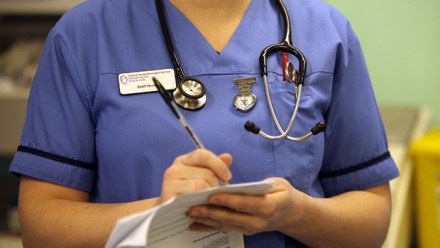
Speaking after the Stafford hospital scandal in 2010, the then newly appointed Health Secretary, Andrew Lansley, grandly announced plans for a charter to support whistleblowers. The government, he said, would ‘create an expectation that NHS staff will raise concerns about safety, malpractice and wrongdoing as early as possible’. We now know just how that fine pledge worked out. In 2013 this magazine ran a piece by J. Meirion Thomas, then a cancer specialist at the Royal Marsden hospital in London, about his concerns at how the NHS was being exploited by health tourists. He had tried, he said, to expose an ineligible foreign patient but had as a result been accused of unethical behaviour. Meanwhile, the scale of health tourism in the NHS is becoming clearer by the day.
From our UK edition
Home The Metropolitan Police encouraged people to celebrate VJ Day despite reports in the Mail on Sunday (picked up from an investigation by Sky News) of plans by Islamic State commanders to blow up the Queen. The RMT union announced two more strikes on the London Underground for the last week in August. Network Rail was fined £2 million by the rail regulator for delays in 2014-15, many of them at London Bridge. A tanker carrying propane gas caught fire on the M56 motorway near Chester. England won the Ashes series after beating Australia by an innings and 78 runs at Trent Bridge; Australia had been bowled out for 60 before lunch on the first day. Unemployment rose by 25,000 in the second quarter to 1.85 million.

From our UK edition
Forget Greece; China's economic slowdown is the biggest story of the year, says Elliot Wilson in this week's issue of The Spectator. China’s long boom may finally be ending and the consequences for the world will be profound. Elliot joins Isabel Hardman and Andrew Sentance, Senior Economic Adviser at PwC and a former member of the Bank of England MPC, to discuss the implications of China's slump on the British and global economy. With the Labour leadership contest still snoring along, there is plenty of discussion about what each contestant will bring to the party. But there's one thing they are forgetting to discuss, says Isabel Hardman in her column this week: how to appeal to the southern and Ukip voters they need for power.
From our UK edition
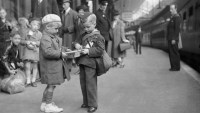
From ‘What will they do with it?’, The Spectator, 14 August 1915: It is true that in a good many cases boys of 17 ought not to be sent to the trenches. Such boys would, however, be quite serviceable for home defence purposes, and it is obvious that we must in any case keep a quarter of a million, and perhaps half a million, soldiers in these islands to resist a raid. Not only do boys of 17 learn very quickly, but six months of good food and military drill and of life in the open would enormously improve their physique and make them the better able to bear the trials with which the nation will be confronted at the close of the war.
From our UK edition
From 'The End of the First Year', The Spectator, 7 August 1915: Terrible as have been the sufferings caused by the war—the agonies of the body for those who have fought and fallen wounded, and the agonies of the mind for those who have seen husbands, fathers, and sons go to their deaths or return maimed or ruined in health—the present writer cannot feel that sense of overmastering horror which the war seems to have inspired in certain minds. Some have been carried away so far by such thoughts that they tell us they wish their eyes had been closed for ever before the national tragedy began. The present writer can take up no such attitude as regards the war.

From our UK edition
From our UK edition