The Spectator

Christmas crossword: The winners | 14 January 2016

From our UK edition

The first prize of £100, three prizes of £25 and six further prizes of the Chambers Dictionary of Great Quotations (2015) go to the following. The first four prizewinners also each receive a bottle of champagne. First prize Andrew Dymond, London SE24 Runners-up Mrs P. Bealby, Stockton-on-Tees, Cleveland; David Norwood, Puddletown, Dorset; Roderick Burgess, Cantsfield, Carnforth Additional runners-up Jacqui Sohn, Gorleston-on-Sea, Norfolk; F.A.

Christmas crossword solution

From our UK edition

The grid quotation was from the JOURNEY OF THE MAGI (T S ELIOT). Initial letters of superfluous words spelled out ‘Heap on more wood, the wind is chill / But let it whistle where it will / We’ll keep our Christmas merry still’, from MARMION (Sir Walter SCOTT). Unclued works by these authors were the SACRED WOOD, FOUR QUARTETS, the HOLLOW MEN, ASH WEDNESDAY, the WASTE LAND, the ROCK (Eliot), the FAIR MAID OF PERTH, ROB ROY, the HEART OF MIDLOTHIAN, the LADY OF THE LAKE, the PIRATE, IVANHOE (Scott). The light to be highlighted was CATS (based on Eliot). The grid quotation was from the JOURNEY OF THE MAGI (44 82) (T S ELIOT)(116).

The Spectator Podcast: Cameron’s ‘Project Fear’, David Bowie’s politics and Brighton’s Brideshead set

From our UK edition

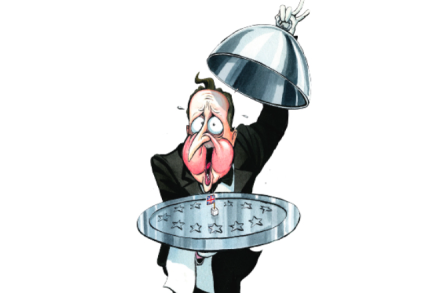
In this week's issue, James Forsyth reveals the strategy that David Cameron will use to campaign for Britain to stay in the EU. He’ll campaign not just on the economics, but on security – arguing that Britain is safer as part of the EU collective: safer from the Russians, safer from terrorism. Isabel Hardman, the new presenter of the Spectator podcast, is joined by James and Fraser Nelson to discuss the implications of such a strategy. Much of the week's news has been overshadowed by the death of David Bowie. But what exactly made Bowie such an important figure? In his column this week, Rod Liddle argues that it's simply because he was a terrific musician. Kaite Welsh disagrees.

Compelling evidence

From our UK edition

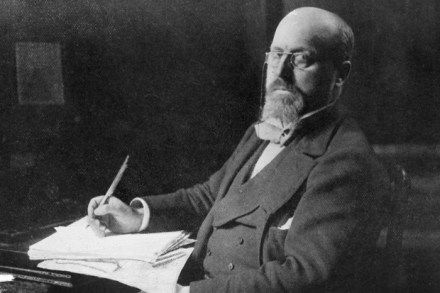
From ‘The Position of the Government’, The Spectator, 15 January 1916: Any man who knew the nature of Englishmen, or rather, let us say, of the English-speaking race, during war, would have been able to foretell that an enactment to compel shirkers to do their duty would be certain of something like universal acceptance… Our people is a brave people in deeds, if not in words. It is, however, the disconcerting way of Englishmen to be perfectly illogical at times of crisis. For example, they feel not the slightest difficulty in telling you that they are dead against ‘conscription’ and will never agree to it, but that they are quite determined to compel men by law to serve their country in arms if they show any signs of shirking their duty in that respect.

Barometer | 7 January 2016

From our UK edition

The outsiders Did the seven members of Harold Wilson’s cabinet who campaigned to leave the Common Market in the 1975 referendum damage their careers? Michael Foot, Employment Secretary. Made deputy leader by Jim Callaghan in 1976. Elected leader in 1980. Tony Benn, Industry Secretary. Challenged Denis Healey unsuccessfully for Labour deputy leadership in 1981. Barbara Castle, Social Services Secretary. Sacked from cabinet by Jim Callaghan when he became prime minister in 1976. Eric Varley, Energy Secretary. Swapped jobs with Tony Benn after referendum. Fifth in shadow cabinet elections in 1979. John Silkin, Planning and Local Government Secretary. Became agriculture secretary in 1976. Stood for Labour leadership in 1980 but was defeated. Peter Shore, Trade Secretary.

Portrait of the week | 7 January 2016

From our UK edition

Home David Cameron, the Prime Minister, decided to allow ministers to campaign for either side in the referendum on membership of the European Union, once his negotiations had been concluded on Britain’s relationship with the EU. The government said it was commissioning 13,000 houses to be built by small builders on public land made available with planning permission. Junior doctors decided to go on strike after all, starting with a day next week, after talks between the government and the British Medical Association broke down. In an extraordinarily drawn-out reshuffle, Jeremy Corbyn, the leader of the Labour party, replaced Michael Dugher as shadow culture secretary with Maria Eagle, who was replaced at defence by the Trident-hating Emily Thornberry.

Through the roof

From our UK edition

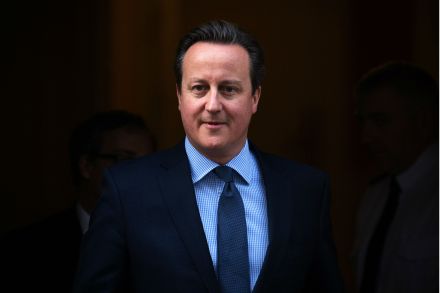
When David Cameron said this week that he is worried his children would not be able to afford to buy their own homes, he struck on one of the greatest economic problems of his premiership. The old British promise is that if you work hard and make the right decisions, you can advance in life and own your own home. This is the ladder that most aspire to climb. But for an entire generation, even the hope of home ownership is slipping out of view. A huge number of young Britons cannot hope to have the kind of life their parents enjoyed. The Prime Minister must know he is on dangerous ground here. His own children, of course, will not have to worry — just as he did not have to worry.

Florence King, 1936 – 2016: a great American conservative

From our UK edition

Let’s not get sentimental — she would not have liked that — but Florence King, the American writer and splendid reactionary, has died. It is sad because Florence was brilliant, brave and most of all funny. Her best-known work, Confessions of a Failed Southern Lady, is a tremendous book — essential reading, I’d say, for anyone who wants to understand spirited American conservatism, rather than the lobotomised crap churned out on TV or talk radio, or by Republican Party candidates. She deserves to be better known, though it is heartening today to see fans sharing her quotes on Twitter. (My favourite: 'while watching 'Psycho' a single question ran through my head: "Where can I get a shower head with that kind of capacity?

George Osborne has made his own ‘dangerous cocktail’ of economic risk

From our UK edition

When David Cameron said this week that he is worried his children would not be able to afford to buy their own homes, he struck on one of the greatest economic problems of his premiership. The old British promise is that if you work hard and make the right decisions, you can advance in life and own your own home. This is the ladder that most aspire to climb. But for an entire generation, even the hope of home ownership is slipping out of view. A huge number of young Britons cannot hope to have the kind of life their parents enjoyed. The Prime Minister must know he is on dangerous ground here. His own children, of course, will not have to worry — just as he did not have to worry.