Tevi Troy

Tevi Troy is director of the Presidential Leadership Initiative at the Bipartisan Policy Center and a former White House aide. He is the author of four books on the presidency.

White House Plumbers is a busted flush

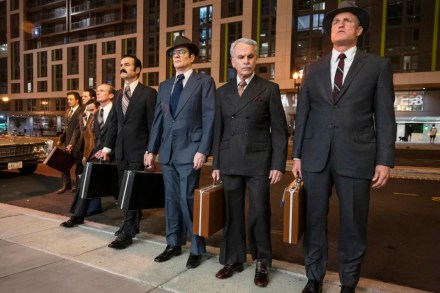
I suspected something was wrong when I first heard that HBO would be producing a TV series called White House Plumbers. The network initially said it would be coming in 2023, date unspecified. Then the show was scheduled for March, but as March approached, the network added no specificity regarding the release date. March came and went, a worrisome sign, as did April. The show finally appeared last night, May 1 — a Monday night, not the Sunday night HBO reserves for its best stuff. Upon watching the first of five scheduled episodes, I can see the reason for the delay. I told my wife I planned to watch the show, so she gave the trailer a go. “I could only watch half of it,” she reported back. “It was so bad.
white house plumbers

The Cuban Missile Crisis has become a cultural touchstone

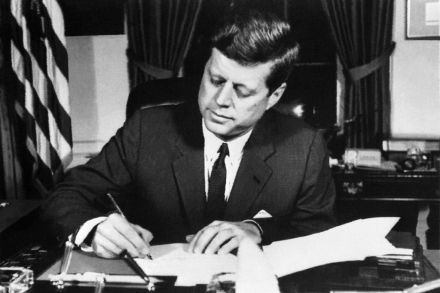
At the beginning of 1962, President John F. Kennedy had high hopes for a peaceful year with the Soviet Union, the United States’ most dangerous adversary. On December 30, 1961, Kennedy issued a statement offering his good wishes for the new year to Soviet Premier Nikita Khrushchev and the Soviet people. Ten months later, in October of 1962, the US and the Soviet Union were on the brink of war. The Soviets had moved missiles into Cuba, which initially went undetected by US intelligence. On October 14, an American U-2 spy plane took pictures showing missile base construction taking place in Cuba. The next evening, American analysts realized the implications of what that construction meant.

How to avoid World War Three

The Russian assault on Ukraine has awakened the West to the fact that we may be back in a Cold War — or worse. After a few decades’ respite in which the United States did not find itself in conflict with any nuclear powers, presidents must consider a world in which nuclear-armed Russia and China actively oppose US interests and deliberately test American resolve. This reality will become even more complicated if a hostile Iran gets its hands nuclear weapons too. The return of Cold War-style geopolitics means the return of Cold War-style statecraft. Presidents will once again face the difficult task of calibrating their actions to advance US goals while avoiding escalation toward possible nuclear confrontation.

presidents