Tessa Dunlop

Matthew Parris, Stephen J. Shaw, Henry Jeffreys, Tessa Dunlop and Angus Colwell

From our UK edition

31 min listen

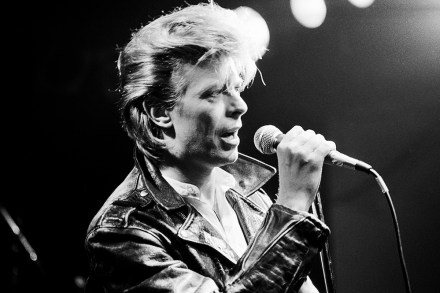
On this week’s Spectator Out Loud: Matthew Parris reflects on the gay rights movement in the UK; faced with Britain’s demographic declines, Stephen J. Shaw argues that Britain needs to recover a sense of ‘futurehood’; Henry Jeffreys makes the case for disposing of wine lists; Tessa Dunlop reviews Valentine Low’s Power and the Palace: The Inside Story of the Monarchy and 10 Downing Street; and, Angus Colwell reviews a new podcast on David Bowie from BBC Sounds.  Produced and presented by Patrick Gibbons.
How Charles III became the richest monarch in modern history

From our UK edition

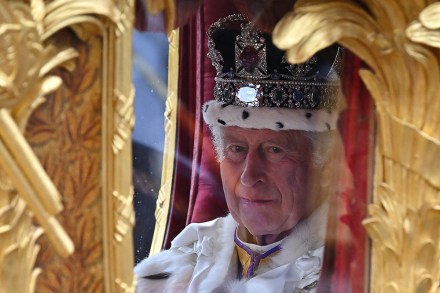
Valentine Low is an old-school royal journalist; less muckraking reporter, more Establishment eye (the Times for 15 years) across our nation’s oldest institution. It is his disarming charm (I’ve had the pleasure of televised royal parley with him) that has guaranteed him access to the great and occasionally ghastly in the higher echelons of British society. His previous book, the innocuously titled Courtiers, published just at the point of the Sussexes’ scandal-ridden departure, skipped nimbly over accusations of bullying and impropriety and became a bestseller. Expectations were high for Power and the Palace. The publisher insisted on an NDA. I waded through tranches of 19th-century history in the knowledge that Low’s gilt-edged gossip would not eventually disappoint.

How ballet lessons transformed Princess Diana

From our UK edition

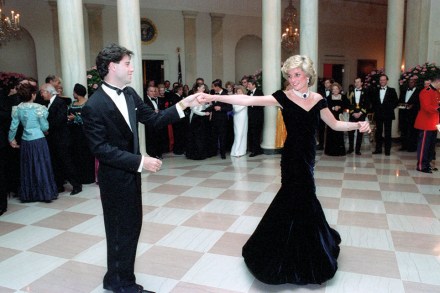
There is something undeniably sweet about this book. On one level, in line with the cover’s pretty pink text, it is a simple, unpretentious story about a girl who loved to dance. But on another level, the unfolding tragedy is Shakespearian – an effect amplified by the unfussy prose of Anne Allan, a long-time professional dancer and choreographer. Years after everyone else cashed in their Diana chips, the Scottish-born author has finally decided to tell her story. The book opens in 1981. Allan is a dancer and ballet mistress with the London City Ballet, and the performance is Swan Lake; but the drama happens offstage when she receives a call from Anne Beckwith-Smith, lady-in-waiting to Diana, Princess of Wales.

Nick Lloyd takes you through the horrors of the Eastern Front

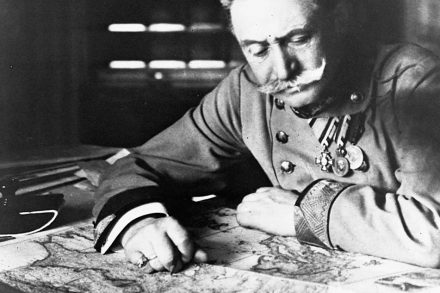
Ten years ago David Cameron, as the British prime minister, pledged $65 million for the centenary of World War One. The focus was on “capturing our national spirit in every corner of the country, something that says something about who we are as a people.” Beyond a celebration of the Tommy on the Western Front and a belated acknowledgement of colonial Britain’s sacrifice, it was a missed opportunity. There was little attempt to better understand the region where the war began — and where, according to Nick Lloyd’s exhaustive The Eastern Front, it never really ended.

Lloyd

The horrors of the Eastern Front

From our UK edition

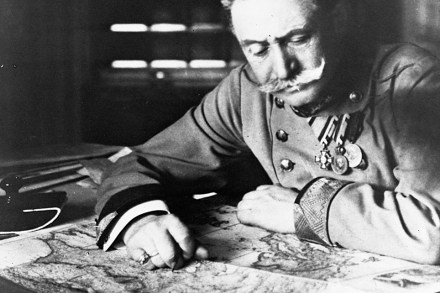
Ten years ago David Cameron, as prime minister, pledged £50 million for the centenary of the first world war. The focus was on ‘capturing our national spirit in every corner of the country, something that says something about who we are as a people’. Beyond a celebration of the Tommy on the Western Front and a belated acknowledgement of colonial Britain’s sacrifice, it was a missed opportunity. There was little attempt to better understand the region where the war began – and where, according to Nick Lloyd’s exhaustive The Eastern Front, it never really ended.

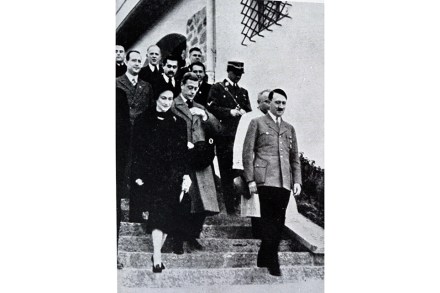
What possessed the Duke of Windsor to visit Nazi Germany in 1937?

From our UK edition

Bombs start exploding at the beginning of this book. Buckingham Palace was targeted by the Nazis early on in the war in an act of extraordinary audacity – and one that backfired. George VI noted in his diary: ‘We all wondered why we weren’t dead.’ Little did he realise that Hitler had gifted him his first wartime ace. But while George grew into the role of stoic monarch, his older brother never worked out how shake off the trammels of his birth. Edward was hurt, angry and rudderless – which resulted, if not in treason, certainly in disloyalty The Windsors at War is a follow-up to Alexander Larman’s The Crown in Crisis, which explored the abdication of 1936.

Why did Britain lock up so many innocent refugees in 1940?

From our UK edition

Despite prostrate Germany’s need for the return of its men, in Britain we didn’t release our prisoners of war until 1948. In Russia — for those who survived — freedom came even later, in the 1950s; an apparent lack of moral equivalence saw the subject conveniently ignored until recently. Likewise, in a country that thrives on retelling wartime tales of derring-do, Britain has been slow to examine the complex story behind its internment of ‘enemy aliens’, the vast majority of whom were Jewish refugees. The horror of the Nazi concentration camps helped contribute to the silence on the subject post-1945, but, as Simon Parkin argues in The Island of Extraordinary Captives, that is no reason to avoid it.

Tessa Dunlop: Army Girls

From our UK edition

47 min listen

My guest on this week's Book Club podcast is the historian Tessa Dunlop. Tessa's new book is Army Girls: The Secrets and Stories of Military Service from the Final Few Women Who Fought In World War Two. She tells me about how she gathered testimony and formed friendships with the nonagenarian veterans of the Second World War amid the Covid lockdown; about the class-ridden rivalries between the women's services; and how while still not officially in the front line, women during the war nevertheless found themselves in the thick of it.

It all started with Dracula

From our UK edition

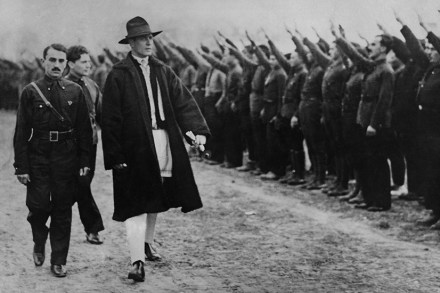
The title of the journalist Paul Kenyon’s second book on crazy leadership, Children of the Night, leaves the reader in no doubt of its approach. This is a narrative that feeds off the macabre legacy of Vlad Dracula, the Impaler, the country’s most infamous anti-hero, while examining Romania’s recent collection of demented dictators and cult heroes. Imagine the history of Britain cast exclusively through the flamboyant prism of Henry VIII, Princess Diana, Nigel Farage and Boris Johnson and you’re nearly there, only in the case of 20th-century Romania the pickings are far richer.