Teresa Mull

Teresa Mull

Teresa Mull is an assistant editor at The Spectator World.

Mowing the lawn is underrated

I struggle to enjoy summer. So each year, when the last frost drifts away to Australia, or wherever it goes, I grit my teeth and remind myself of the most “hot girl summer” moment I’ve ever had, and look forward to reliving the pleasure of lawn mowing that brought it about: I was house-sitting for my parents at our old farmstead in rural Pennsylvania. One of the responsibilities of this job is to put the trash out for the trashmen every week, because more than a decade ago, a little black bear got into the refuse and scattered it from our house to Kingdom Come. The trash shed has been guarded by a thin piece of electrified barbed wire that has deterred both bruin and garbage collector with equal efficacy ever since.
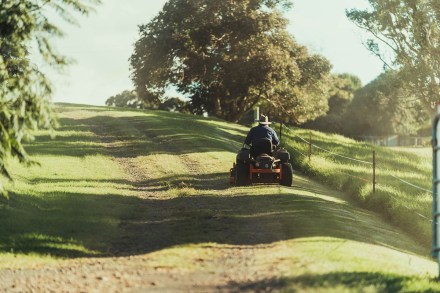
lawn

Puppy privilege

On a recent visit to Nashville, I took my purebred Norwich Terrier, Pitkin, for a stroll. A twentysomething girl toting a yoga mat and an iced coffee squatted on the sidewalk to oblige Pitkin’s pleas for pets. “Oh my gosh, he’s soooo cute!” the girl said between babbles of baby talk. “Where did you get him?” “From a breeder in Oklahoma.” “Oh,” the girl scoffed. “I would never buy a dog.” She took her protein-deprived, sustainably clothed self away. Pitkin and I were left to face facts: we had just been dog-shamed. Buy a dog. Her glare made me feel as if I’d come by my beloved furry friend through the Middle Passage. Pitkin looked up to me and cocked his head. He seemed satisfied, but I was not. Was not even my dog immune from the self-righteous?

dog

Political debates have become unwatchable

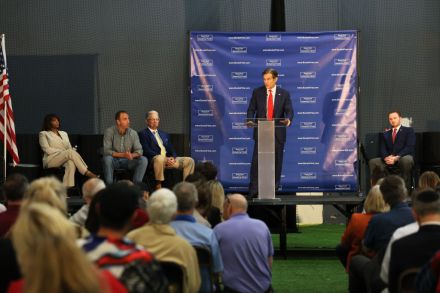
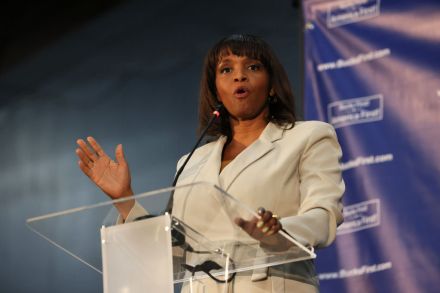
Still on the fence about who to vote for in the Republican primary race for Pennsylvania’s US Senate seat, I watched the Newsmax “debate” earlier this month. I was naively hoping to determine which of the five candidates most aligned with my values. Instead what I learned was that they all hate each other. The debate (again, I use that word loosely) was hosted by Grove City College, a small, Christian liberal arts school in western Pennsylvania that does not accept federal funding (there are a handful of such holdouts across the country). College president Paul McNulty offered an optimistic opening message, expressing hope that the event would be an opportunity for the “thoughtful exchange of ideas.” Ha!

debate

Trump is still the orange elephant in the room

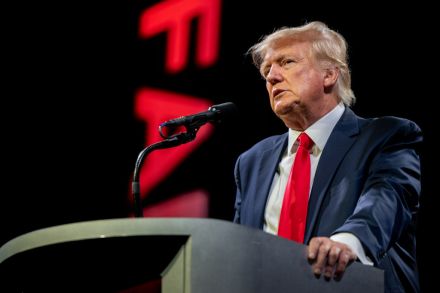
The big news stories this morning are not just about the results of yesterday’s primary elections, but about how big of an impact Donald Trump’s endorsements did or did not have. Politico, CNN, the Washington Post, the Guardian, the Hill, and others have all sounded off on this subject — proving that Trump is, indeed, still quite influential. To center-left publications, at least. Until very recently, Trump had an impressive 55-0 endorsement winning streak. He finally struck out with Charles Herbster, who was running for governor of Nebraska amid several sexual misconduct allegations. Last night’s results, however, have called into question Trump’s “status as GOP kingmaker” (as Newsweek phrased it). As the Hill reports, “Tuesday was a mixed night at best for Trump.

Putting Trump to the test in Pennsylvania

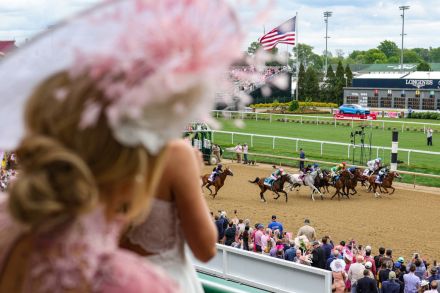
Anyone who watched the Kentucky Derby this year was treated to a thrilling race in which the horse with the worst odds — at 80-1 — surged from behind during the last stretch, passing the two frontrunners that had been dominant since the start. No one was paying attention to Rich Strike, way in the back. And no one — not even his owners — saw it coming. This exact scenario — except with people, not horses — is playing out in Pennsylvania’s US Senate race, where underdog Kathy Barnette’s odds had been, for a long time, 358-1 (the margin by which her campaign has been outspent). Barnette is now neck-and-neck with the other top contenders, Dr. Mehmet Oz and Dave McCormick. One Pennsylvania Republican strategist has called the race “a dead heat.

Picking daffodils with my ancestors

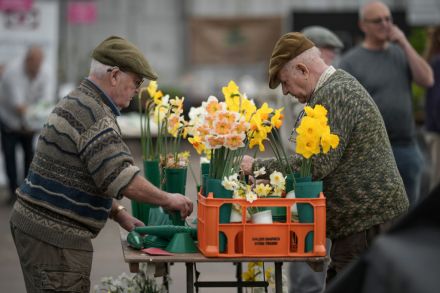
Pennsylvania winters can be unyielding. Though the extreme, single-digit temperatures and mounds of sometimes-onerous (but always beautiful) snow come and go, the bleak, overcast skies tend to overstay their welcome, hanging around like a monochromatic weight on one’s psyche. “Western Pennsylvania is known for two things,” UPMC psychiatrist Dr. Lawson Bernstein told CBS News, “producing linebackers and one of the highest prevalence of Seasonal Affective Disorder (SAD) in the entire country.” Sigh. While I grumbled this morning about having to continue bundling up well into spring (it was 36 degrees), a bunch of cheery golden blossoms near the edge of the woods reminded me this was no time to feel sorry my myself.

Having fun again on Derby Day

The woes of the world are a’plenty. People are anxious, stressed-out, and burned-out. It seems that no matter what side of the political aisle you gravitate toward, there’s a new battle to be fought at the dawn of each day. Even innocent settings — school board meetings, comedy shows, the Magic Kingdom itself — are not immune from partisan vitriol. Luckily for us, though, this is Derby Day, which means it’s the perfect time to do something about the very real but underreported disorder that’s been plaguing our society for a while now: we’ve forgotten how to have fun. It’s a contagious disease that affects brain function and mood, and if left untreated, could result in everyone becoming a smug, humorless elitist (a prognosis worse than Covid).

NASCAR is where free speech crashes and burns

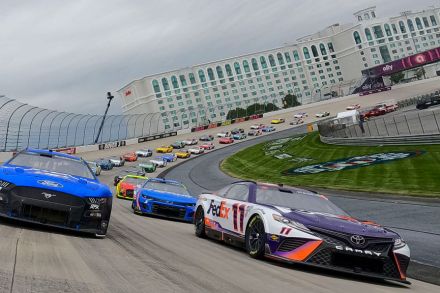
It’s Cinco de Mayo, and if you so much as think about using this day to indulge in Chili’s Margarita of the Month, I will have you undergoing sensitivity training faster than you can say “extra salt on the rim.” You see, applying a firm image to a person, thing, or group is wrong (even if it means massive profits for our Mexican neighbors by way of 335,000 gallons of tequila consumed on a single May 5). Or at least NASCAR thinks so, as the corporation plays politically correct whack-a-mole with drivers who say things they don’t like. The latest victim of almost-cancel culture is Denny Hamlin. Last Sunday’s race at Talladega Superspeedway ended with Kyle Larson “battling for the win approaching the start-finish line,” reports the Charlotte Observer.

Pennsylvania’s hipster Democrat

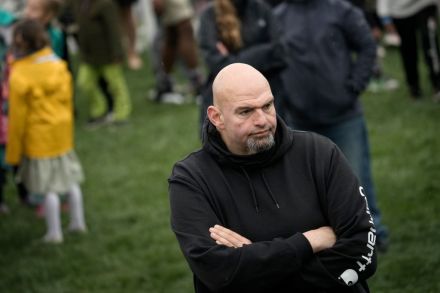
News stories covering the primary races for Pennsylvania's US Senate seat generally go like this: Lieutenant Governor John Fetterman is the Democratic frontrunner pulling ahead big time; now let’s talk about the tit-for-tat attack ads between Republicans Dr. Oz and Dave McCormick for twelve paragraphs. Sure, the Republican primary is developing every day, as Oz and McCormick exchange polling leads faster than Kyle Busch and Kyle Harvick. But at the end of the day (on May 17), GOP voters will have one of two, nice-looking, middle-aged, super-rich Trump wannabes representing them. What happens after the primary is where things really get interesting. Fetterman stands around six feet, eight inches tall and frowns a lot.

More silent films, less Twitter

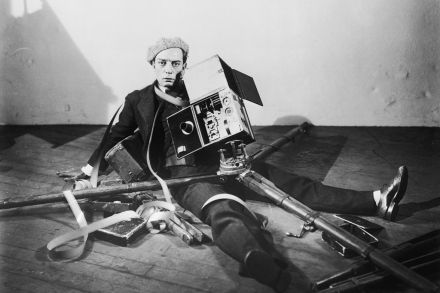
News that billionaire Elon Musk is buying Twitter has shaken the world to the point that left-wingers are threatening to deprive us of their every thought by quitting the platform. My guess is this blustering will take those celebrities about as far away as they went when they pledged to leave the country if Trump was elected president. And though Twitter is likely far from rid of the Jameela Jamils and Chelsea Handlers of the world, even a brief reprieve from the balderdash could do us wonders. Last weekend, I had the privilege of experiencing a one-of-a-kind event at my local theater. “Rick Benjamin’s Paragon Ragtime Orchestra” came to town and performed the original musical score to Buster Keaton’s Steamboat Bill, Jr., a 1928 silent film.

The white guilt in your coffee

How do you take your coffee? With cream? Sugar? A splash of white shame? “The unbearable whiteness of coffee” is the click- and race-baiting headline of a Fast Company article that’s making the internet rounds (my innocent online purchase of Chemex coffee filters must have prompted this suggested guilt trip). I really didn’t want my most sacred morning ritual — and bright spot of many afternoons, for that matter — to be added to the list of things I shouldn’t enjoy because it’s racist. So I poured myself a large mug of fortifying Joe — potentially my last — and gripping it tightly, read the dreaded article and did some digging.

coffee

‘Father Stu’ and the merits of suffering

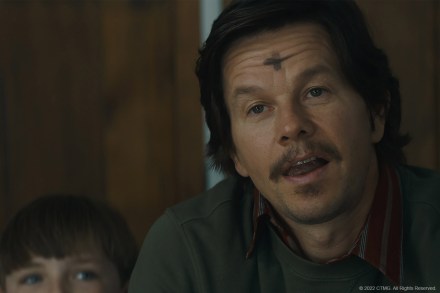
Father Stu opened in theaters this Holy Week. It’s a movie about a real-life man who led a depraved and reckless life, found God, became a priest, suffered greatly and died from an incurable disease. And did so — more importantly — with patience and good nature that inspired multitudes of those around him. The film’s message is essentially that suffering has value, and as we sit in the richest nation in history drowning in the highest levels of depression ever recorded, such a reminder could not come at a better time. It’s a curious thing that so many people are dissatisfied with life when the standard of living has never been higher.

Biden cracks down even on green energy

We know that government’s knack for finding something wrong with everything rivals even the most stereotypical mother-in-law. But the relentless fault-finding’s latest victim may surprise you: federal prosecutors have fined a green energy company $8 million and slapped on a five-year probation period after bald and golden eagles died on its wind farms. There is now no such thing as “clean energy.” Even so-called “green energy” is tinged with the blood of birds. Just when you thought the war on energy couldn’t get any more ridiculous, Joe Biden's Department of Justice has sucker-punched one of its own golden boys.

Stop hating on celebrity politicians

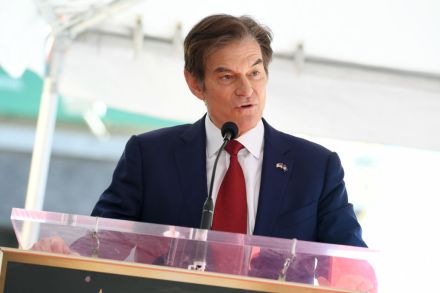
I recently had the chance to peek behind Dr. Mehmet Oz’s curtain, and what I saw made me view the TV doctor-turned candidate for Pennsylvania’s US Senate seat in a new light. As I waited for Oz to appear, I decided to take the pulse of the patient crowd. The first woman d’un certain âge (I’d estimate the average age in the room was 62 and majority female) said she was absolutely decided in her support for Oz. She enjoyed watching his show for years and came to the political rally more as a fan than a voter. But then she revised her unequivocal vote to say, “Well, if Trump endorses him. I’ll vote for whoever Trump picks. There’s no question.” The next person I talked to was of an identical demographic and also a big fan of The Dr. Oz Show.

Heading west to escape liberal tyranny

As our nation navigates a “return to normalcy” in a post-Covid world, one return most workers won’t be making is to the office. And as an estimated 40.7 million American professionals plan to be working fully remotely within the next five years, expect the great political divide to widen as liberals and conservatives move farther apart, both ideologically and physically. With working from home becoming the norm, “home” for many people is changing. “Anywhere from 14 to 23 million Americans are planning to move as a result of remote work,” an Upwork.com study taken at the height of the pandemic found. “[N]ear-term migration rates may be three to four times what they normally are.” Where are workers moving to? Away from cities, for starters. A majority (52.

Cancel culture gets its comeuppance

Cancel culture has struck again, but this time its would-be victims aren’t apologizing. The Daily Mail — a publication notorious for being “free” with its own speech — is leading the anti-cancel culture charge this month with a series of stories that point to an encouraging trend. A handful of prominent creatives are standing up to woke bullies and noting the dangers (and impracticalities) of their demands, which essentially amount to writers and entertainers forsaking their imaginative talents by only addressing things they’ve personally experienced. Except they aren’t supposed to be candid about those things, either, as they might offend someone if they’re too honest.

Going out on a fossil fuel bender

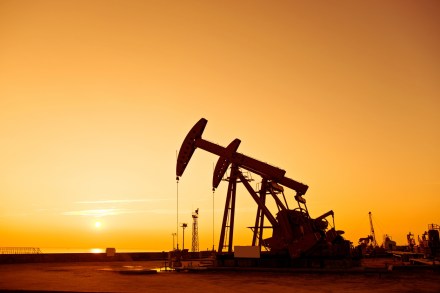
Covid rates are abating just in time for surging gas prices to eclipse the pandemic as our crisis du jour, and people from both sides of the political aisle are crying out in unison: something must be done! The current energy crisis debate consists of a few camps: one group professes that they can’t abide fossil fuels being used at all, while another can’t imagine living without them. The third group makes up the middle of the Venn diagram, and though a paradoxical state of mind, it contains the most members. Choosing a winner from among the prevailing arguments is no simple task.

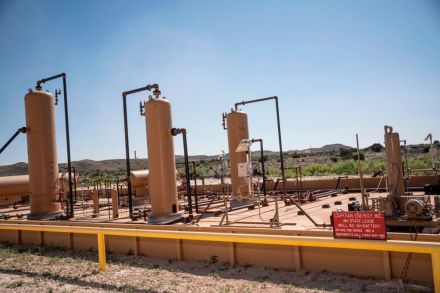
oil

The Trump stalwart taking on Dr. Oz

It’s hard to imagine wanting to be a politician. Listening to people’s problems, being on your best behavior all the time (or at least working hard not to get caught), being in charge of stuff. It’s like the worst parts of adulthood on steroids. Not to mention all the campaigning — exhausted from traveling from one indistinguishable town to the next, feigning good humor, interest and delight in every person you meet and in every small diner’s Local Slop Special you’re forced to sample while telling everyone how great you are. It’s not for the faint of heart. Yet David McCormick, candidate for Pennsylvania’s U.S. Senate seat, seems to be made for it. Aspiring officeholders are a type. “Admirable” isn’t the right word, but remarkable, certainly.

Biden must decide the environment’s price tag

Boris Johnson is considering doing something that should be a duty for every leader. In the wake of sanctions poised to disrupt the 8 percent of domestic oil and 18 percent of diesel the UK imports from Russia, Johnson is reportedly toying with the idea of putting his country first and on the road to self-sufficiency by lifting the UK’s moratorium on fracking. The British government banned hydraulic fracturing, or “fracking,” in 2019. Fracking is a method of extracting oil and natural gas by drilling deep underground and fracturing shale rock with a fluid mixture (99 percent water and sand) that allows fossil fuels to flow out, be captured, processed and used to myriad ends (including gasoline).

Why does Hollywood ruin literature’s best characters?

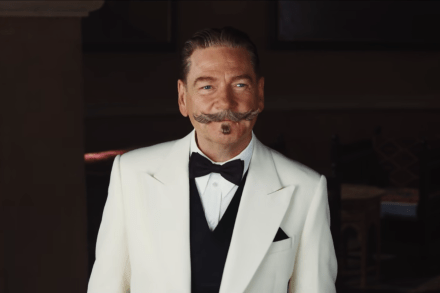
I remember enjoying Murder on the Orient Express a few years ago, when I took refuge from a real-life blizzard in a Jackson, Wyoming theater to watch Kenneth Branagh’s decadent take on Agatha Christie’s snow-covered murder mystery. It was memorably cast with big-name talent (Johnny Depp makes one heck of a sleazy bad guy) and exquisite, if sometimes over-the-top, costumes and décor. If memory serves, the movie ended as a suspenseful and satisfying cinematic treat. Death on the Nile, not so much. Branagh teased his next adaptation of an Hercule Poirot novel at the end of Orient Express, but I found his second attempt wasn't worth the five-year wait.

kenneth branagh poirot hollywood