Teresa Mull

Teresa Mull

Teresa Mull is an assistant editor at The Spectator World.

Are electric vehicles really the future?

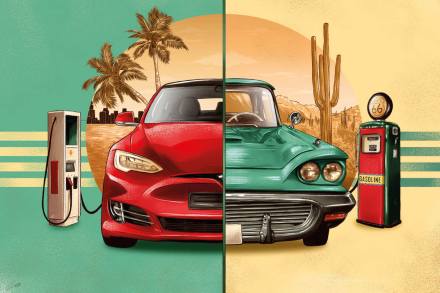
It’s a cloudless spring day, made for a country drive. Chartreuse trees explode with pollen and glow to near neon. I wind past pastures and stone and brick farmhouses and amiable old barns that could set the scene of a Beatrix Potter story, elatedly adding to the hum of provincial enterprise by perfecting my rev-matching skills over the rolling hills and 8mph switchbacks that mark PA-74. The quiet two-lane road spits me out into city limits, and suddenly I’m crawling through a crowd at the Carlisle Collector Car Auction. I’m here to learn what classic car enthusiasts think of electric vehicles, or EVs. In 2021, President Biden issued an executive order establishing that, by 2030, half of new passenger cars sold must be all-electric or hybrid, going up to two-thirds by 2032.
electric vehicles

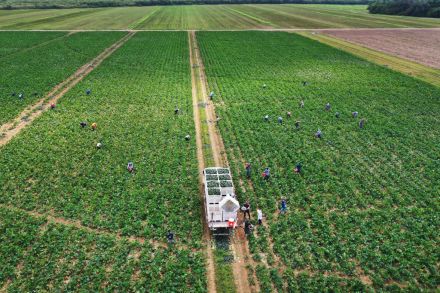
How China is trying to buy up American farmland  

China keeps buying property in the United States. Concern over this trend has been simmering for years, yet leading Democrats and left-wing media outlets dismiss it as harmless because, they say, China doesn’t own very much land in the grand scheme of things or compared to other nations. Also — racism. “No, China isn’t gobbling up America’s farms,” Bloomberg’s editorial board assured us in February as lawmakers across the country were introducing bills to prevent Chinese investors from buying more US land. (The Texas Senate passed such a bill last month, and Florida governor Ron DeSantis signed a series of such bills into law last week.

farmland

Does downtown deserve a comeback?

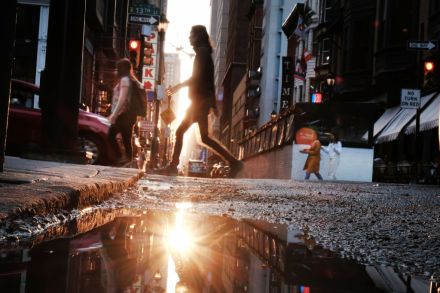
The downtowns of America’s biggest cities are facing a crisis as thousands of office buildings sit vacant. They were abandoned first by occupants forbidden from gathering during the Covid pandemic — and they remain empty as many took a liking to remote work that enables them to “stay home in [their] pajamas all day,” as New York City mayor Eric Adams describes it. Building owners are no doubt panicking as the value of their real estate continues to plummet, as are those affected by all the lost tax revenue. (A recent study, “Work from Home and the Office Real Estate Apocalypse,” found a 39 percent decline in long run value of New York City offices.

downtown philadelphia

Horse racing has a drug problem

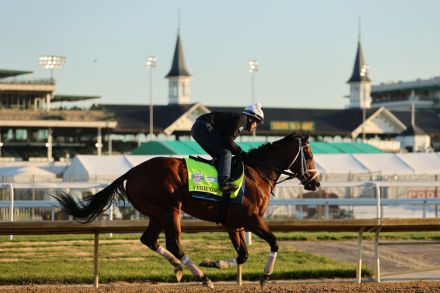
Tomorrow is one of the best days of the year, Kentucky Derby Day. It means spring is really, finally, officially here, because whatever the weather, how can you not feel balmy and cheerful when you’re balancing assorted plumage on your head and have a fourth Mint Julep in your hand? This year’s Derby, however, is off to a dark start. Four horses have died this week at Churchill Downs; two sustained life-ending injuries and two others collapsed and died suddenly for unexplained reasons. The trainer of the latter two horses, Saffie Joseph Jr., was banished from the weekend after scratching all but one of his other entrants.

horse racing kentucky derby

The case for cold weather

Pennsylvania experienced a heat wave last week, with temperatures soaring into the mid-80s. It was not to last. This morning it was a balmy 33°F, with that bone-chilling dampness and threat of snow showers that can only mean one thing: spring! When friends and family who live in warm places send me photos of the beach and brag about taking long walks in the sunshine, I block out their bragging with a defiant flip of my hood and insist that people who live in cold places are tougher. We have more character. True grit. And it turns out that may actually be true. "Cold temperature extends longevity and prevents disease-related protein aggregation," according to a new peer-reviewed study from Germany's University of Cologne. Longevity, i.e.

cold weather

Inside Pennsylvania’s gas station wars

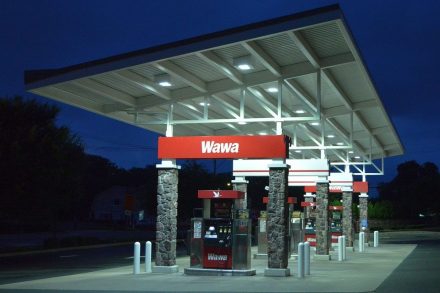
Travelers road-tripping across Pennsylvania this summer, take heed: a war is brewing in the center of the state. Buildings have been flattened. Families have been torn apart. The threat of an emerging third power regularly captures headlines and fuels the local rumor mills. I am referring to the competition among three gas stations-cum-convenience megastores — Sheetz, Rutter’s and Wawa. It is said to be the “most heated food rivalry in the country.” Food? A lot of what these places pass off as “food” is up there with the cosmic chicken sponge found at airports. Nonetheless, the rivalry is real. It’s palpable. It’s all-American. And as for the rural places benefiting from this capitalism, as the kids like to say, we’re here for it.

wawa

I feel sorry for Dylan Mulvaney

When it comes to using trans influencer Dylan Mulvaney to promote the iconic Bud Light brand — a favorite beer here in the backwoods — my first impulse was in line with that of Kid Rock, who used cases of the stuff for target practice. It’s a reaction many Americans, insulted by what they perceive to be an attack on their traditional values and gender stereotypes, are having to varying degrees as they boycott the beer giant, reportedly to the tune of billions of dollars. Progressives, meanwhile, can’t get enough of Mulvaney.

dylan mulvaney

Bring back sideburns!

From our UK edition

Our collective Man Card is on the verge of being rescinded. The number of lonely, single men is rising – and testosterone levels are falling. The causes of our macho decline are myriad, but a quick fix is at hand: it’s time to bring back sideburns. It seems these days that the only facial hair options most men consider are beard or clean-shaven. Gone is the cheeky pencil-thin moustache sported so dashingly by Errol Flynn and the devil-may-care ’burns rocked by Harrison Ford’s Han Solo. The Lionel Richies and Tom Sellecks of the world still play their part in the strong whisker game, but that’s probably owed to the same reason members of ZZ Top could never shave.

The US is greening itself toward more dependence on China

A pair of Wall Street Journal headlines announced last week that "renewables surpassed coal power generation in 2022 for first time,” and “coal prices tumble while use of wind power, solar energy leaps ahead.” Taken at face value, you might believe fossil fuels are about to go the way of the floppy disk. Not so. News of renewable triumphs is often greatly exaggerated. Pretending that we can dismiss coal and other fossil fuels as energy sources anytime soon is to bite the hand that feeds us.

green china

A woman for all seasons

One of the things I love most about living in Pennsylvania is experiencing all four seasons. They are pronounced, and regardless of how long you’ve lived there, the changes in weather are always remarkable. People comment on the weather constantly, as if the four things it might be doing outside — being warm, cold, wet or dry — are novel any old day. Whether these remarks are upbeat or grumbly seems to depend on one’s age and if snow is more likely to result in a day off school or a bout of rheumatism. For me, though, a change in the seasons — any season — is a sentimental event. It’s as if nature is poignantly reminding me that time is passing. A late February warm spell this year inspired me to do some spring cleaning.

seasons

Four ways to stop public school lunches from making kids fat

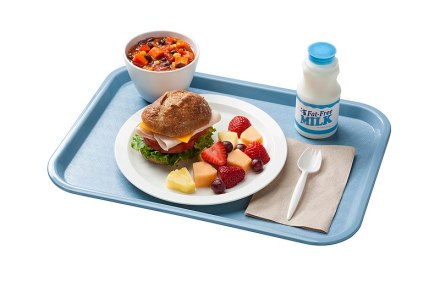
The Kraft Heinz company has developed a pair of Lunchables meals slated to be served in school cafeterias starting next fall. The initiative has reignited a worthy debate over the nutrition found — and mostly not found — in school lunches. Folks are making a big fuss over the debut of Lunchables, as if the plastic packages of cardboard coasters that pass for pizza are somehow playing sloppy seconds to the gourmet wonders our schools have been crafting up to this point. Unless things have significantly improved since I graduated, Lunchables might actually be an upgrade from what most cafeterias specialize in — mystery meat sandwiches and those limp, anemic crinkle fries that led to my lifelong loathing of ketchup.

lunch
american values

If Americans don’t believe in God, country or hard work, what do they believe in?

Do you want the good news or the bad news first? It’s all pretty bad, but let’s get it over with: the share of Americans who say patriotism and religion are “very important” to them has fallen sharply, as has the number of Americans who value involvement in their community, hard work and having children. These revelations come courtesy of a new Wall Street Journal-NORC poll, complete with a graph depicting our nation’s nosedive. Some nitty-gritty: in 1998, 70 percent of respondents deemed patriotism to be very important; now, that number is 38 percent. Twenty-five years ago, 62 percent said religion was very important; now only 39 percent do.   If Americans don’t believe in God or country, what do they believe in? Money, for one thing.

Alvin Bragg has been on Trump’s trail for a long time

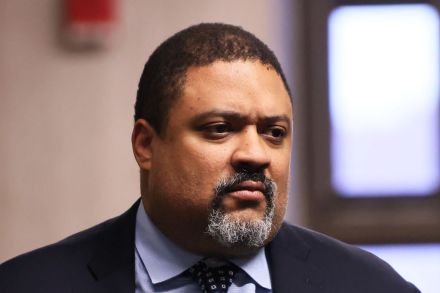
For being what Politico describes as a “politics-averse prosecutor,” the Democratic Manhattan district attorney Alvin Bragg, reportedly set to indict Donald Trump any moment now, has certainly spent a fair bit of time targeting the former president and pondering his indictment. Bragg is purportedly on the verge of ordering Trump’s arrest over so-called “hush money” that Trump allegedly had his former attorney Michael Cohen (who served time in prison) pay to porn star Stormy Daniels during his 2016 presidential campaign to keep her quiet about an affair they are said to have had. If he does so, Bragg will become the first prosecutor to bring criminal charges against a former president.

alvin bragg trump indictment

J.D. Vance makes a big, bipartisan first impression

J.D. Vance gained prominence in 2016 for appealing to two camps. His critique of the roots of rural poverty, relayed in his bestselling memoir Hillbilly Elegy, was generally well received on both sides of the aisle. After crediting the American Conservative magazine for putting Elegy on the map, the New York Times’s Jennifer Senior wrote in a review of the book that Vance used “a vocabulary intelligible to both Democrats and Republicans.” Fast-forward seven years, and a lot has changed for Vance. He has evolved from Never Trump conservative to enthusiastic MAGA disciple. And he has also gone from bestselling author to United States senator.

j.d. vance

Surviving your first winter in Idaho

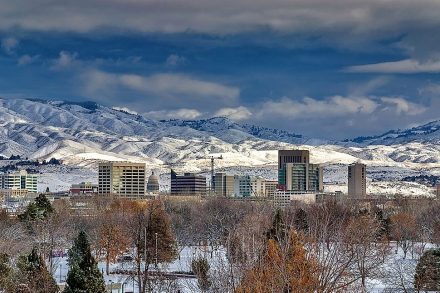
When I lived in Idaho, people would ask my mother, “Why did she move to Iowa?” Sometimes they’d break into a frenetic rendition of the B-52’s “Private Idaho” or make a potato joke. Otherwise they didn’t really know what to say about the Gem State. Residents are proud of Idaho’s obscurity. They encourage it. Iterations of “Idaho is hideous, don’t come here” are a common tongue-in-cheek caption added to breathtaking social media photos of majestic mountain landscapes and pristine trout streams.

Is almond milk damaging the dairy industry?

The Food and Drug Administration (FDA) just released draft guidelines concerning the definition of “milk,” saying that producers of alternative milk beverages derived from plants and nuts (non-mammals) can keep calling their products “milk” because, basically, they’ve been doing it for a while and the public likes it that way. The draft guidance explains “that the public already refers to plant-based milk as milk while also acknowledging the plant source it comes from, such as ‘almond milk’ and ‘soy milk,’” according to Fox Business. “Consumers reportedly favor the term ‘milk’ over plant-based ‘drink,’ ‘beverage’ or ‘juice,’ according to internal and third-party focus groups the FDA cited.” Not everyone agrees with the FDA.

East Palestine and the roots of rural mistrust

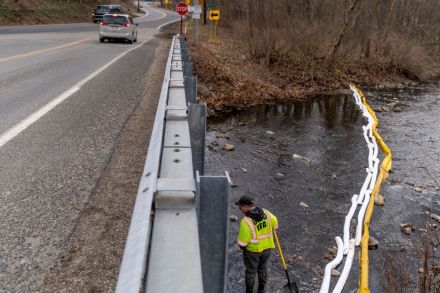
The East Palestine, Ohio, train derailment has thrust rural America into the national spotlight. Town mayor Trent Conaway, a hefty, scruffy figure who resembles many a resident of flyover country, has been all over cable news expressing his “frustration” over how the federal government has handled the disaster. “Frustration” is exactly the word I’d use to describe the predominant feeling I encountered last week during my visit to East Palestine. It’s the same attitude I come across constantly in my rural Pennsylvania homeland. The way the East Palestine disaster has unfolded magnifies the rural perception of government, and both sides of the aisle would be wise to take a closer look and listen.

rural

Seed catalogs and their rejuvenating power

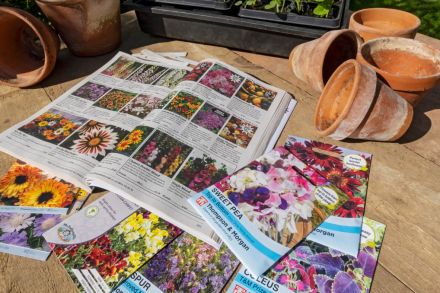
Winter’s bleakest days have set in. “The holidays” are a distant memory. Rose-colored resolutions to wake up earlier, eat healthier and exercise have gone the way of Dry January — all a wash, as you quickly discovered the only antidote for your Seasonal Affective Disorder was something equally cold and dark. You glimpse the N/A beers in the back of the fridge the same way you spy the sun — in passing, and with a feeling of faded hopefulness. As you lug bags of empty bottles to your sidewalk, you glance up at the brightish blob lending a hazy glow to the grayscale landscape. You deposit your clanging bag of glass and cans beside your Christmas tree’s corpse and shuffle back inside to refill the fridge and cover up reminders of your dalliance with the sober-curious.

seed

What I saw in East Palestine, Ohio

When I arrived in East Palestine, Ohio, on Wednesday, the quaint Main Street was a red, white and blue sea of people waiting in chilly, drizzly weather for Donald Trump to arrive. I met up with Brian and Samantha, who live three miles from the site of the Norfolk Southern train derailment. They were acting as Tulsi Gabbard’s tour guide and graciously invited me to tag along. The East Palestine area is a typical rural community. Villages with little more than a volunteer fire department and a basic convenience-style store are scattered across the countryside. People enjoy their space and peace and quiet, but they’re also close-knit and neighborly.

Why we should be more thankful for America’s rail system

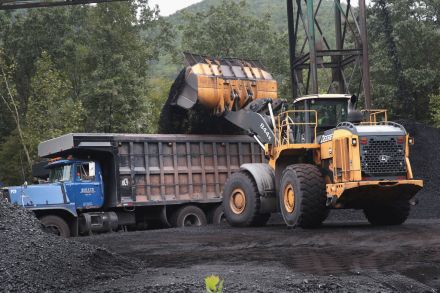
In recent months, the train track that was bustling during my small Pennsylvania town’s heyday has been back in use, hauling coal to ports that ship it overseas. The train blares its whistle around 7 a.m., waking our sleepy town with a bygone sound of enterprise. The whistle blows again around 5 p.m., and people rush to watch the train chug on through. Real train buffs, with expensive cameras in tow, line the tracks at dawn. It’s novel, old-timey, and thrilling. But otherwise most of us never think about trains. Most Americans, for that matter, never think about trains.