Terence Kealey

Professor of clinical biochemistry at the University of Buckingham and research fellow at the Cato Institute

In defence of Biden’s Covid-19 patent waiver

From our UK edition

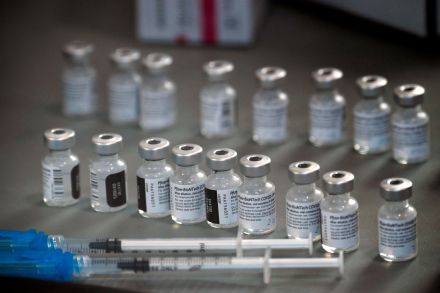
For a man who is regularly derided by Republicans, president Joe Biden has racked up a fine number of achievements. He made his latest on 5 May, when he threw his support behind waiving the Covid-19 patents, overturning decades of American protection of its industries’ intellectual property rights. His words packed a punch: the Frankfurt-listed shares in BioNTech promptly lost 14 per cent, while Moderna and Novavax closed three to six per cent down in New York. The U.S. pharmaceutical industry was quick to denounce the measure, as Jeremy Levin, chair of the biotech trade association Bio, asserted that ‘securing vaccines rapidly will not be the result.’ But, in fact, that’s exactly what the result will be.

Moving universities northwards will do nothing for the levelling up agenda

From our UK edition

If major research universities improved their neighbourhoods, the city of New Haven—the home of Yale University—would be one of the richest and happiest in the state of Connecticut. Instead, New Haven is a pit of poverty and crime in a state that is otherwise known for its wealth and lawfulness. Equally, Baltimore in Maryland, which is the home of Johns Hopkins University, is so crime and poverty-ridden that HBO set The Wire there. A person might suppose New Haven and Baltimore would have been even more degraded but for their elite universities; yet, sadly, it may have been the universities that helped degrade the towns, because elite universities in America are dens not only of drugs and alcohol but also of rape.

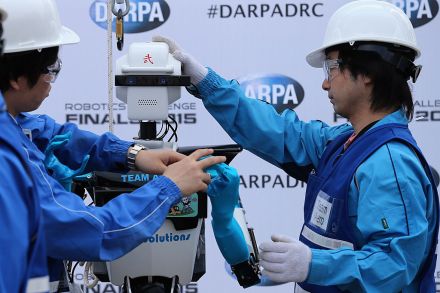
The problem with the Tory obsession with DARPA

From our UK edition

Dominic Cummings’s two catchphrases ‘take back control’ and ‘get Brexit done’ have transformed British politics. Now the PM’s top aide wants to do the same with the British economy through the creation of another ARPA. But will it work? The first Advanced Research Projects Agency was created in the US in 1958. The previous year the Soviets had launched the world’s first artificial orbital satellite, Sputnik, which made Americans fear that the USSR’s economy was about to overtake the US’s. The thought was that only if the US immediately copied the brilliant engineers who ran the Soviet Union could the West hope to keep up. ARPA was the outcome.