Susie Boyt

Bernardine Evaristo sets a rousing example of ‘never giving up’

From our UK edition

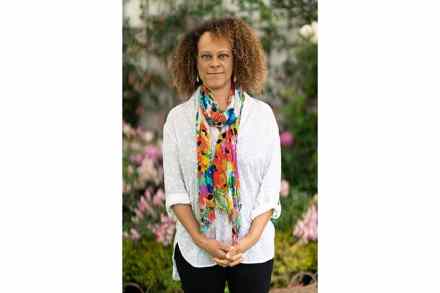
Bernardine Evaristo’s Manifesto — part instructional guide for artists, part call to arms for equality, part literary memoir —shimmers with unfailing self-belief and a strong vein of humility. When Evaristo won the Booker Prize in 2019 for her magnificent seventh novel Girl, Woman, Other, the first black woman to do so, it was the pinnacle of a career devoted not just to honing her craft but to helping others traditionally excluded from the literary world, through teaching, mentoring and activism. There is a great deal of style to Evaristo’s life story; her childhood has strong storybook notes. Her home was a huge, rundown house in south London with 12 rooms, eight children and a bannister valiant enough to bear them.
A sobering tale

The Recovering by Leslie Jamison, novelist, columnist, bestselling essayist and assistant professor at Columbia University, makes for bracing reading. Clever, bold, earnest and sometimes maddening, it is chiefly an account of the author’s alcohol addiction and the various stages of her recovery. It is also an examination of the lives and works, in so far as they pertain to drugs and alcohol, of ‘addicts of extraordinary talent’, such as Jean Rhys, John Berryman, Billie Holliday and David Foster Wallace. The book is an investigation of how Alcoholics Anonymous operates, its strengths and challenges, the leanings of its founders and a roll call of some of its members who’ve touched the author’s life.

‘Another terrible thing…’: a novel of pain and grief with courage and style

From our UK edition

Nobody Is Ever Missing takes its title from John Berryman’s ‘Dream Song 29’, a poem which I’d always thought related to Berryman’s strange sense of guilt over his father’s suicide. At the heart of Catherine Lacey’s novel there is another suicide that brings with it enormous pain and grief, that of the heroine Elyria’s adopted sister Ruby, six years earlier. This is a novel of extremes — to put it mildly — charting Elyria’s slide into a derelict state. It is a witty, knowing and lyrical work that takes as its subject the thoughts and feelings of a woman who has suffered more misery than most humans can take. The bulk of the novel’s action takes place in New Zealand, but it could happen anywhere.