Susannah Hickling

Nine ways to stop your child getting fat

From our UK edition

About a third of children in the UK are overweight, increasing their risk of conditions like type 2 diabetes, heart disease and joint problems in adulthood. Here are some hints to prevent yours from piling on the pounds: 1. Be slim yourself. Easier said than done, I know. But the point here is that you’re your child’s main role model, so if you eat healthily and lead an active life, your offspring are more likely to do the same. If you eat junk, they’ll eat junk; if you slump on the couch eating chocolates, so will they. You get the picture. Plus, research has shown that babies born to overweight mothers are more likely to be overweight themselves. 2. Get them to eat the same food as you.


8 reasons why dry January could be bad for your health

From our UK edition

Have you renounced alcohol for the first month of the year after a festive binge? Maybe you’re doing it for charity or for the sake of your liver. But is it worth the sacrifice? Bear in mind: 1. You’ll probably drink more at the end of it. Doctors agree that there’s no point in going on the wagon for a month just to hit the bottle with a vengeance on 1 February and keep boozing for the rest of the year. But, feeling all virtuous and cleansed after your dry month, that’s exactly what you’re likely to do. 2. There’s no proof it does you any good. While not drinking for 31 days certainly won’t do you any harm, there isn’t exactly a body of evidence to show that it has any benefits.

Want to stay warm this winter? Then get naked, wear mittens and tuck into a curry

From our UK edition

Brrr, getting chilly out there, isn’t it? Here are some proven – and perhaps surprising - ways to keep warm and cosy in cold weather: Sip a hot drink There’s actually not much evidence to back this up, but, let’s face it, cupping your hands round a steaming mug of cocoa and feeling the hot liquid go down is a very comforting thing. Cuddle up naked One way of warming someone with hypothermia is to remove clothes and lie naked against the unclothed victim. It will work just as well on a cold night in bed with your partner. Eat well Food is a crucial source of energy, which will warm your body. And just slaving over a hot stove will help take off the chill.

Seven good reasons why you should avoid taking unnecessary antibiotics

From our UK edition

Thanks to Fleming’s discovery of penicillin in 1928, antibiotics put an end to a world where people died from the most innocuous infection. But they’re no longer the panacea they once were because resistance is growing. Here are a few useful facts about penicillin and its pals: 1. Half of all antibiotics are given to animals We associate these bacteria-killing drugs with human use, but antibiotics are widely used to treat food-producing animals like chickens and pigs. Often livestock are being dosed with the same antibiotics as we take. This is contributing to antibiotic resistance in humans. 2. The last new antibiotic was discovered in the 1980s From 1940 to 1962, 20 new classes of antibiotics came on the market. In the next 50 years only two new ones came out.

Rest in peace: seven ways to stop snoring this Christmas

From our UK edition

Did you know that snoring was bad for your heart? It’s thought to cause changes in the carotid artery and is linked to metabolic syndrome, both of which put you at risk of cardiovascular disease. Not only that, you’ll keep your partner awake, which won’t do your relationship a lot of good, either. So what can you do?  Consider these potential cures before opting for weird gadgets or surgery. 1) Sleep on your side. When you lie on your back, your tongue may partially obstruct your breathing, making tissue in your throat vibrate. That’s less likely to happen if you lie on your side or your stomach. Think it’ll be hard to break the back habit? Try sewing a pocket into the back of your pyjamas and stuffing a tennis ball in it.

Seven big fat myths about fitness

From our UK edition

When it comes to exercise and health, there’s a lot of dodgy advice out there (including plenty from friends and family). We explode some of the myths which might put you off or lead to injury. 1. No pain no gain Aching muscles are only to be expected when you first start exercising or you push yourself hard, but pain in joints, muscles, bones and ligaments are not normal or recommended. You could be overdoing it. Start off slowly to avoid injury and don’t carry on if it hurts. 2. Stretching prevents injuries It’s a bit of a given that you need to stretch before jogging or other strenuous exercise to avoid injury or muscle pain, but research doesn’t back this up. One Australian study of men in the army found that it was a waste of time.

Keep your hair on! Seven tips for doing so, past Movember

From our UK edition

[audioplayer src="http://traffic.libsyn.com/spectator/TheViewFrom22_30_Oct_2014_v4.mp3" title="Henry Jeffreys and Sarah Coghlan join Mary Wakefield to discuss Movember and other wackiness." startat=1456.1] Listen [/audioplayer]Some men are growing facial hair for Movember but lots of people are just trying not to go bald. Male pattern baldness affects half of men over the age of 50, according to the British Association of Dermatologists. But that’s not all – half of women over the age of 65 are also grappling with hair loss. Usually, though, their hair thins, rather than disappearing quite so radically as it does in men. So what can both sexes do to preserve their crowning glory, or mitigate what they’ve lost? 1.

Want babies? Get a job, lose the Lycra – and other fertility tips

From our UK edition

Did you know that one in six couples in the UK have difficulty conceiving? That’s roughly 3.5 million not very happy people. A healthy diet, not smoking and not being too overweight or too underweight can all improve your chances of having a baby. Here are some other ideas worth a try. Take care with technology. Both mobile phones and laptops have been implicated in reducing sperm quality. Research has found that while using a phone increased testosterone, it also reduced levels of luteinising hormone, important in male fertility. Carrying your phone around in your trouser pocket is not great either and, as for laptops, using one on your lap if you’re a man should be considered a no-no – increasing scrotal temperatures over a long period is bad for your sperm.

How to cure bad breath (and continue eating smelly foods)

From our UK edition

Have you ever tried that good old test for halitosis – licking your wrist, letting it dry, then having a good whiff – and been shocked at the result? The bad news is that mints don’t work, but here are a few tips that might succeed in making your breath smell sweeter. Brush your tongue As well as brushing your teeth, you need to brush your tongue, if an American study is anything to go by. Levels of smelly sulphur compounds caused by food bacteria dropped by 53% in people who brushed both teeth and tongue for a minute twice a day for a fortnight. Scrape your tongue Even better, according to other research, is using a tongue scraper. But the effect might only be temporary, we’re sad to say.

Sod the diet and lose weight anyway – here’s how

From our UK edition

Who enjoys all that calorie counting? If you hate diets but love the idea of losing a bit of weight, these quick fixes might just help you shift a few pounds – or prevent you from putting on any more. Get enough shut-eye. Research has shown that people who are sleep-deprived eat a lot more the next day than those who are well rested. In one study it was an average 600 calories more. Why? Quite simply, if you stay awake for longer, you’re more likely to have the munchies. Down the dairy. A few studies have suggested that people who eat more dairy products when they’re trying to lose weight get slimmer faster.

Five ways to fight the flu – or why you should curl up with hot fruit cordial

From our UK edition

No one likes getting the flu and for some people, in particular the sick and elderly, the virus can prove deadly. So it’s worth taking a few simple steps in a bid to stave it off. 1. Wash your hands. Use soap and water to wash off the germs you pick up on all the surfaces you touch (and make sure you clean them too). Wash hands often and thoroughly – sing “Happy Birthday” or another short song to yourself while you’re doing it. And grasp the tap with a piece of loo paper when you turn it off. Overkill? Maybe. But who wants the flu? 2. Don't smoke. You’re more likely to catch the flu if you smoke and the chances are your symptoms will be worse.

Seven foods that will help lower high blood pressure

From our UK edition

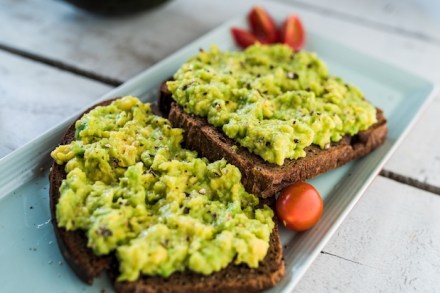
Consuming certain foods and drinks may help reduce one of the main risk factors for heart attack and stroke. Who knows, you could find you don’t need medication after all – but let your doctor be the judge of that. 1. Gorge on guacamole. Avocados are high in potassium, which lowers blood pressure. Most of us in the UK don’t get our daily potassium requirement. 2. Snack on apricots. This is another great source of potassium (as are bananas). And they’re high in fibre and low in calories, too. What’s not to like? 3. Say yes to yoghurt. But make it the probiotic kind.

Ten reasons to give up smoking

From our UK edition

Earlier this year a research study revealed that people were more likely to quit smoking when confronted with the reasons why they should give up rather than being told how they should do it. With that in mind, here are some convincing grounds for stubbing out those cigarettes for good: Cigarettes contain poisons. Each one contains at least 4,500 chemicals, including arsenic, cyanide, formaldehyde and polonium 210, which caused the painful and lingering death of ex-Russian spy Alexander Litvinenko. Do you really fancy inhaling that lot? Cancer sticks really do cause cancer. A fifth of all cancer cases can be attributed to smoking. These include not just lung cancer but tumours of the mouth, lip, throat, bladder, kidney, pancreas, stomach, colon, breast, liver.

How to sleep better: 5 tips for getting a good night’s sleep

From our UK edition

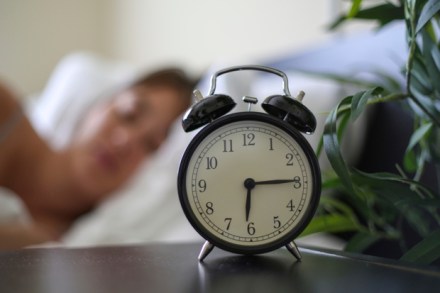
Most people have trouble sleeping at one time or another; for some it’s a chronic problem. But making sure the conditions are right for a good night's sleep can really help: Choose the right mattress Is your mattress ten years old or more? If so, think about investing in a new one. Not only do mattresses get saggy, but your body may need a different kind of support, especially if you’re getting older. And a firm mattress isn’t necessarily the best option. A Spanish study found that people with a bad back reported less backache if the mattress had a bit of 'give' in it. Medium-firm turned out to be best, easing pain both in bed and during the day.

Nine natural ways to keep your teeth white

From our UK edition

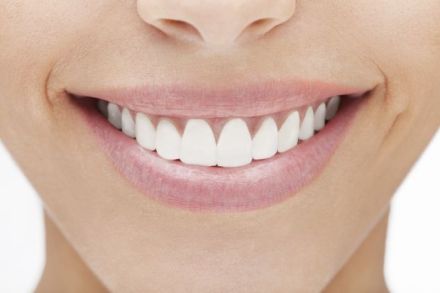
Smile! There are ways you can help your teeth to remain dazzling and healthy without paying to have them whitened: Cut down on dark drinks. Avoid too much red wine, black tea, coffee, colas and dark fruit juices if you want your pearly whites to stay, well, white. A rule of thumb? If they’ll stain a white tablecloth, they’ll stain your teeth. Gravy is another culprit, as are dark fruits such as blueberries and blackberries. Rinse your teeth immediately after having dark-coloured food or drinks. Be wary of white wine. Don’t think it’s just red wine that turns your teeth yellow. One study found that white wine had the effect of making them more likely to absorb stains from substances like coffee. Forget the fags.

‘Unhealthy’ foods that are surprisingly healthy

From our UK edition

Thank you, oh thank you, dear scientists, for rehabilitating these dietary dangers: Chocolate Previously dismissed as full of sugar and fat, chocolate is now claimed to have all sorts of health benefits. Researchers have found that it helps guard against heart disease and stroke by lowering blood pressure and cholesterol levels. It may also stave off type 2 diabetes, as well as improving mood and enhancing cognitive skills. The secret of its success appears to be the presence of flavonoids, an antioxidant which prevents cell damage. Opt for dark chocolate which has a cocoa content of 60 per cent or more, as this has the most flavonoids. And eat it in moderation – just a few squares a day, not the whole bar.

Ten healthy reasons to drink a cup of tea

From our UK edition

Drinking tea might stop you having a stroke. A meta-analysis of nine studies revealed that people who drank three or more cups of tea (black or green) had a 21% lower risk. You could lower your cholesterol. Drinking a brew has been shown to cut cholesterol in people with mildly raised levels. But it’ll take more than one cup – the study concerned had participants downing five cups a day of black tea over three weeks. You might cut your chances of dying from heart disease. Dutch researchers concluded that people who downed between three and six cups of black tea a day had a 45% reduced risk. Tea may bring down blood pressure. French research showed that heavy tea-drinkers had lower blood pressure than people who never touched the stuff.

Seven ways to protect your ears

From our UK edition

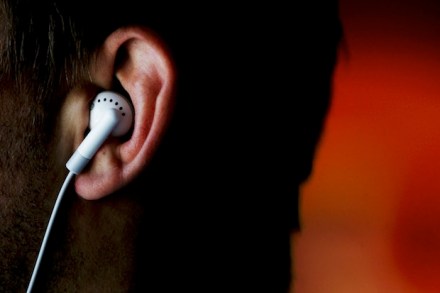
Did you know that ten million people in the UK have some hearing loss? In fact, long-term exposure to sounds that are only as loud as a food processor and just a bit less noisy than a lawnmower can damage your ears. Here are some easy ways to avoid going deaf – or preserve what hearing you’ve got: Turn it down. An MP3 player turned up to max can be as loud as a pneumatic drill. Get someone to stand next to you when you’re listening to your iPod. If they can hear it above your earphones, then it’s loud enough to do damage. Make earplugs your friend. Be kind to your ears when going to a gig by wearing earplugs or investing in a set of music-muffling headphones. And make sure you have earplugs to hand for mowing the lawn. Floss.