Susanna Forrest

Bones, bridles and bits – but where’s the horse?

From our UK edition

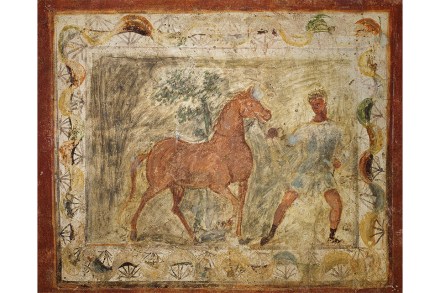
The German cultural scientist Ulrich Raulff has written that horses have as many meanings as bones. In the archaeologist William Taylor’s new history of horses and humans, we meet all those bones. Found in thawing permafrost, in caves, and buried ceremonially in graves in Siberia and Chile, the bones are cracked open by Taylor to show how the horse evolved in the Americas before its early encounters with human hunters. Does a 5,000-year-old worn tooth tell us it once chomped a bit? Does damage to vertebrae indicate a rider? Then came domestication, transforming the species from near extinction to tool and symbol on every major landmass on the planet. After that, horses and their keepers created empires, paced epically long trade routes – and brought plague from the steppes.
From pit-ponies to polo ponies: hoofprints on the British landscape

From our UK edition

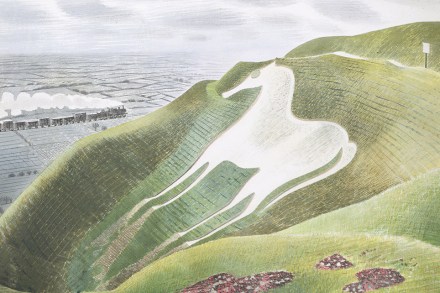
Horses have schlepped, hauled and galloped grooves into Britain, providing the muscle for transport, industry, agriculture and leisure and the inspiration for myth, art and literature. In The Bridleway, the environmentalist Tiffany Francis-Baker maps this busy-storied topography from the Uffington White Horse to ancient roads, canals, coaching inns, race courses, conservation projects and public art. She crosses the country to speak to horse-people and explores old bridleways. Some of the landscapes she visits are subsiding, as she puts it, ‘into the healing bosom of the earth’. Others are threatened with erasure, and so, ‘to keep these spaces full of memory, all we must do is tread the same paths, either on foot or by hoof’. The charm of her book lies in wayside details.