Steve Donoghue

Edward VIII: Unlucky in love, or a Nazi-loving cad?

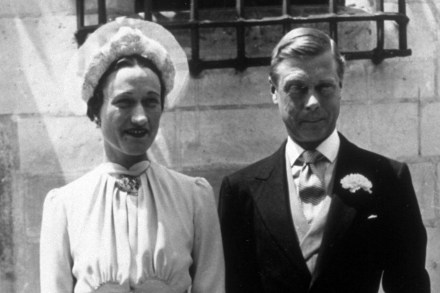
‘After I am dead, the boy will ruin himself within 12 months,’ King George V groused in his last days about his oldest son and heir, David, Prince of Wales. Never a particularly cheery fellow, by 1935 George V was worn down by a lifetime of non-stop smoking. His gloom might have been understandable, but it wasn’t universal, since he had nothing but good things to say about his second son, the stuttering Bertie. In the prescience that kings sometimes display about their successors, George V suspected that he was about to pass the imperial crown into unsteady hands. When the old king died in January of 1936, David, Prince of Wales became King Edward VIII. As Prince of Wales, he had been phenomenally popular, the House of Windsor’s first full-blown celebrity.
edward viii

Reagan, victor of the Cold War, with a little help from Lech Walesa and the Pope

At 6 in the morning on December 13, 1981, Poland’s prime minister Wojciech Jaruzelski appeared on Polish television and described in sonorous tones a looming Apocalypse. ‘Our homeland is at the edge of an abyss,’ he said. ‘State structures are ceasing to function. Each day delivers new blows to the waning economy… There are more and more examples of terror, threats, mob trials and direct coercion. Crimes, robberies, and break-ins are spreading like a wave through the country.’ Jaruzelski then took a step directly into that abyss. He declared martial law. Soldiers went door-to-door arresting members and suspected sympathisers of the populist labour movement Solidarity, including its leader, Lech Walesa.

reagan poland walesa covert action