Stephen Parkinson

Boris Johnson’s court victory is good news for remainers and leavers

From our UK edition

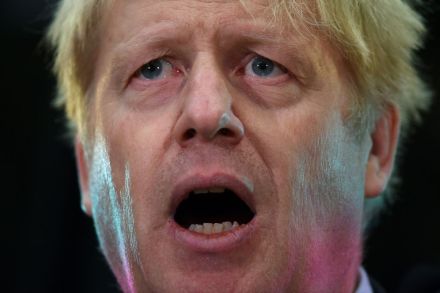
In the end common sense has prevailed – and swiftly. When District Judge Margot Coleman decided last week to issue a summons against Boris Johnson for misconduct in public office it looked as if the case would drag on for weeks or months. But exceptionally the High Court today intervened in the criminal case to stop it now, recognising that it would have inevitably failed had it made it to the Crown Court. The arguments in court today centred around the nature of the crime that Boris Johnson was alleged to have committed. Misconduct in public office is an offence aimed at public officials who misuse their public position to such an extent that it constitutes a gross breach of trust.
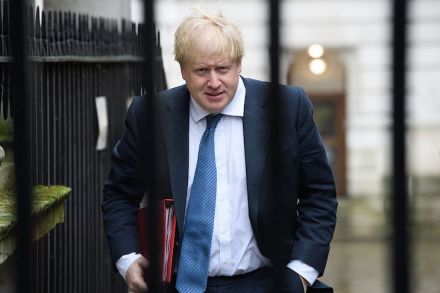
What will happen next in the prosecution of Boris Johnson?

From our UK edition

Rarely can the saying that a week is a long time in politics have been more true than in the case of Boris Johnson. The timetable for the election of the next Conservative leader, which was announced last week, clearly favoured him, given the large lead he has over his closest rivals. But the decision of District Judge Margot Coleman has turned that advantage on its head. For there is no realistic chance that the prosecution against Johnson can be concluded before Conservative MPs decide which two candidates will go before the membership. There has been talk of a judicial review to the High Court of the District Judge’s decision, but even if this can be expedited, the appeal is most likely to fail.

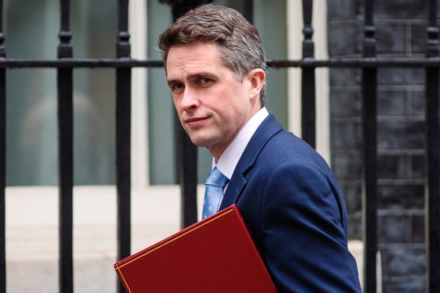
What Gavin Williamson must do to rebuild his career

From our UK edition

Gavin Williamson is clearly a man who is happy to take a risk. His comments that he would welcome a police investigation increase the chances that one might happen, and yet Williamson’s rationale for wanting an investigation is vanishingly thin.  Williamson claims that the notepad of the Daily Telegraph reporter, Steven Swinford, “would show that I didn't say anything'' and that subsequently he would get the “nicest apology' from the PM. Aside from the improbability that Williamson would make a telephone call to the reporter (which he accepts that he did) but then be totally silent, the fact is that he could not guarantee that the journalist would cooperate with a police investigation to protect his source.