Spectator Briefing

Can hydrogen help us reach net zero?

From our UK edition

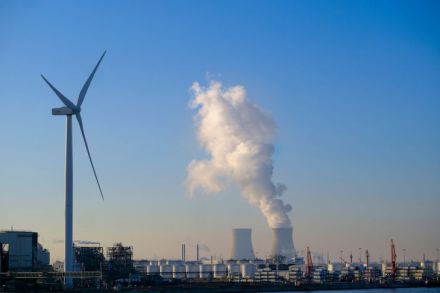
Rarely a week goes by in politics without a reminder of the Conservatives’ ambitions to hit net zero by 2050. But how well do they understand the path to get there? Amidst the barrage of funding announcements and energy strategies, there remain outstanding questions about the road ahead – and one of the most persistent is around the role of hydrogen. To its advocates, this abundant chemical element could be the key to weaning large economies off their dependence on natural gas, providing a reliable and greener power source that can be deployed at scale. Yet to its doubters, the hydrogen dream remains inefficient and impractical – rendering it a costly distraction from the real decarbonisation challenge.

Can the UK emerge as a world leader in renewable energy?

From our UK edition

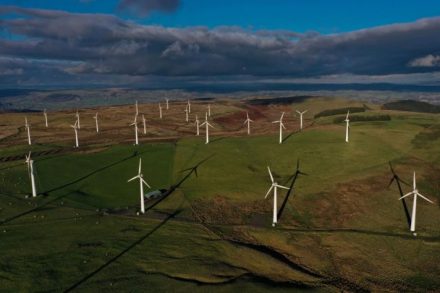
When it comes to renewable energy, the ambitions of recent Conservatives have verged on the superlative: from one prime minister’s infamous pledge to turn Britain into the ‘Saudi Arabia of wind power’ to a seemingly exponential explosion of green jobs across the country (half a million by 2030, according to Grant Shapps). The green transition has launched quite the rhetorical arms race. Can the UK really emerge as a world-leader in renewables? That was the question on the agenda as The Spectator convened a panel of experts, industry voices and politicians at this year’s energy summit.

How should the government reform Britain’s asylum system?

From our UK edition

Britain’s asylum system is in need of reform. At the end of last year, there were 166,261 asylum applications awaiting a decision – a 200 per cent increase from just three years ago. As a result of slow decision making, there’s a bottleneck in the system, meaning normal asylum accommodation is full and £5.6 million is being spent every day on hotel accommodation for asylum seekers. New plans announced in March also mean asylum-seekers currently in hotels will be moved to disused army barracks and barges.  The Prime Minister recognised the degree of public concern in his pledge to stop dangerous journeys being made across the Channel in small boats. But the crossings are just one symptom of an asylum system which is struggling to meet its obligations.

Cost-of-living crisis: what should politicians be doing about rising energy bills?

From our UK edition

How can we keep energy bills down? It’s a question that has been at the top of the political agenda since Russia’s invasion of Ukraine sent gas prices soaring. With the government forking out eye-watering sums to guarantee prices for consumers and businesses, a longer-term solution has to be found. But are renewables the answer? In January, The Spectator had the opportunity to discuss this issue, when we hosted a roundtable lunch (made possible by RenewableUK, the UK’s leading renewable energy trade association) at Old Queen Street. With a number of energy experts and analysts around the table, our editor Fraser Nelson and economics editor Kate Andrews sought to clarify the burning questions around UK energy security.

How to avoid blackouts on the road to net zero

From our UK edition

Can we get to net zero and still keep the lights on? It’s a question that was thrust to the forefront of the agenda last February, as Russia’s invasion of Ukraine sent shockwaves across the energy market. With Europe now facing the once unthinkable prospect of blackouts, energy security has become more urgent than ever. But how does it affect the decarbonisation agenda? In the late autumn, The Spectator had a chance to discuss that very topic, when we hosted a special roundtable lunch (made possible by the energy company Uniper) at Old Queen Street. With a number of energy experts and analysts around the table, our economics editor Kate Andrews sought to explore the big questions around decarbonisation and energy security.

Klarna and the future of UK fintech

From our UK edition

Back in April – as much of the country’s attention remained on Rishi Sunak's famously generous pandemic support measures – the Chancellor gave a speech to an online gathering of fintech entrepreneurs. ‘Our vision is for a more open, greener and more technologically advanced financial services sector,’ he declared, promising that his Treasury would seek to make Britain the best home possible for fintech disruptors. Sunak was, of course, hardly the first Tory chancellor to sing the praises of the City of London and its financial innovators. But do politicians really understand the rapidly-changing fintech market? And have their warm words made any difference?

The smart path to net zero

From our UK edition

Not long ago, Brexit used to dominate every debate. Now, it’s climate change. Political discussions can’t take place these days without some reference to the Government’s big mission: the legally-binding commitment to reach net-zero carbon emissions by 2050. Britain was one of the first countries in the world to sign up, and we did so with very little discussion about what it would involve. Britain’s chairmanship of the United Nations climate change summit in Glasgow (COP26) is likely to see Boris Johnson’s government position itself as a global champion of the agenda. But what will it mean? At what cost? And to what purpose? At The Spectator boardroom, we gathered together a group of people over lunch to discuss the project and its implications.