Simeon Tegel

Simeon Tegel is a writer based in Lima, Peru.

Ecuador is becoming a narco-state

From our UK edition

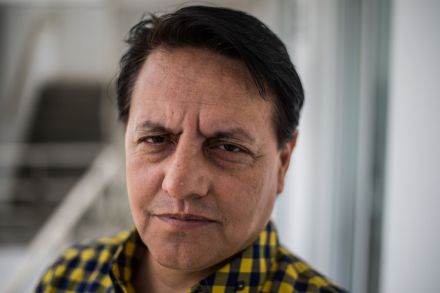
Few political assassinations will have been as predictable as Fernando Villavicencio’s, the Ecuadorian presidential candidate and anti-corruption firebrand gunned down in Quito this week.  The brutal murder took place in a country that in recent decades has been largely free of serious political violence, notwithstanding the ferocious inter-party struggles that have seen both coups and the persecution and exile of opponents.  Yet Villavicencio, a 59-year-old former investigative journalist, did not just anticipate his demise – he repeatedly cited the death threats he was receiving from the drug traffickers he vowed to crack down on. And at times, he almost appeared to welcome the danger.
Peru’s staggeringly incompetent far-left coup

From our UK edition

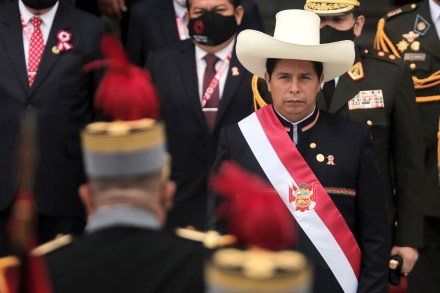
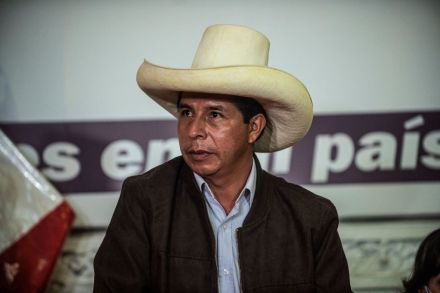
Lima, Peru For the last 17 months, Peruvians have been wondering what it would take to see the back of Pedro Castillo, their staggeringly incompetent and deeply unpopular far left president. On Wednesday, they got their answer — when Castillo made a botched attempt to metamorphise from an elected head-of-state into an even more inept version of that trope of Latin American history, the caudillo or authoritarian strongman. Cornered by anticorruption prosecutors and facing an impeachment vote that evening, the 53-year-old former rural schoolteacher and wildcat strike leader decided to take the bull by the horns.

The madness of El Salvador’s Bitcoin city

From our UK edition

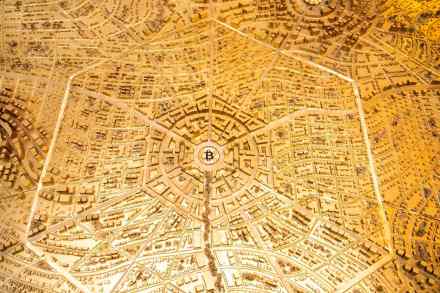
A golden city on the coast of the tropical Pacific. A metal walkway suspended above a verdant volcano. And a glossy marina that looks like it belongs in Monte Carlo rather than a near failed-state besieged by some of the world’s most violent criminals. The detailed gilded model released this week of ‘Bitcoin city’ – the first ever dedicated cryptocurrency trading hub, to be built on El Salvador’s western shore and powered by geothermal energy from a volcano – is nothing if not spectacular.

How long can Peru’s new socialist leader last?

From our UK edition

The symbolism could hardly have been clearer when Pedro Castillo was sworn in yesterday as Peru’s new President on the country's 200th anniversary of independence. For arguably the first time in its history, Peru has a head-of-state who personifies the national majority — a campesino hailing from a particularly impoverished region of the northern Andes — rather than a member, real or honorary, of the largely white Lima elite. Given Peru’s persistent, stark inequality, drastically exacerbated by the pandemic, perhaps the biggest surprise is that the electorate has waited until now to vote in such a radical left-populist.