Silkie Carlo

Silkie Carlo is the director of Big Brother Watch.

The sinister rise of facial-recognition Britain

From our UK edition

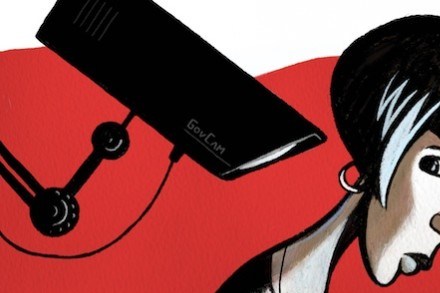
Britain has long been one of the most surveilled democracies in the world. But under Starmer’s government, things are about to take a more sinister turn. It seems we are all going to be watched by facial recognition cameras as well. It seems will all have to pay the price for the state’s gross incompetence According to a Home Office consultation launched on Thursday, the government is developing a new legal framework to expand the use of facial recognition technology. Rarely seen outside of China, live facial recognition cameras – which constantly scan live CCTV footage – could be installed in every town centre up and down the country. It used to be that only hardened criminals would end up on a police line-up.

Philip Womack, Ian Thomson, Silkie Carlo, Francis Young and Rory Sutherland

From our UK edition

28 min listen

On this week’s Spectator Out Loud: Philip Womack wonders why students can't tackle university reading lists (1:12); Ian Thomson contemplates how much Albania has changed since Enver Hoxta’s dictatorship (6:12); Silkie Carlo reveals the worrying rise of supermarket surveillance (13:33); Francis Young provides his notes on Hallowe’en fairies (20:21); and Rory Sutherland worries that Britain may soon face a different type of migrant crisis (24:08).  Produced and presented by Patrick Gibbons.

Has your local shop blacklisted you?

From our UK edition

Britain’s obsession with surveillance is reaching new heights. Several of the UK’s largest retailers have quietly installed facial recognition checkpoints on their doorways and inside their shops. It means that automated identity checks are taking place on our high streets without customers even being aware of it. You won’t be informed if your photo is taken and added to a watchlist, and no police report is required The cameras look like any other CCTV cameras, except they take a biometric scan of every customer’s face, like at a passport e-gate. The facial recognition scans are then compared against a private database run by the software company Facewatch.