Sarah Sands

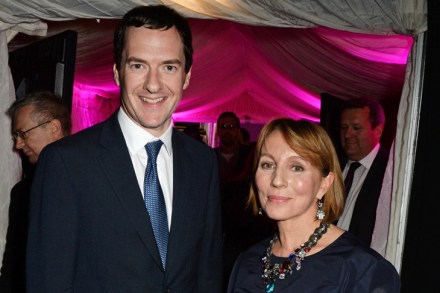
Sarah Sands: The Interior Silence

From our UK edition

36 min listen

In this week’s Book Club podcast, my guest is the former editor of the Today Programme, Sarah Sands. Sarah tells me how an addiction to the buzz of news and gossip gave way in her to a fascination for the opposite, as described in her new book The Interior Silence: 10 Lessons From Monastic Life.
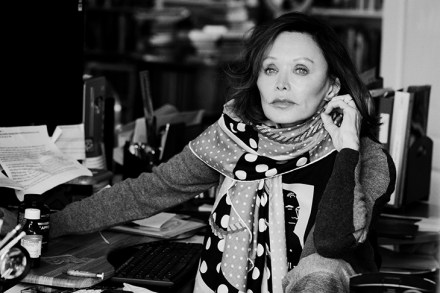
Barbara Amiel is a cross between Medusa and Maria Callas

From our UK edition

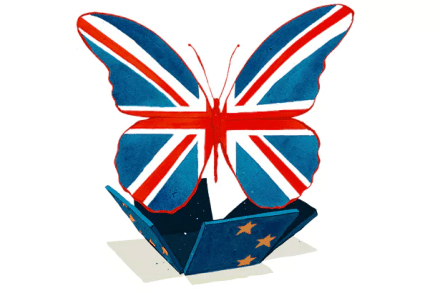
If this book becomes a Netflix blockbuster, as it surely must, Barbara Amiel presents us with an opening image. She describes, during a visit to see her husband Conrad Black in prison, watching a Monarch butterfly rise above roadside debris: You couldn’t miss it in that bright early morning sunscape of trash cans and crumpled

With Sarah Sands

From our UK edition

37 min listen

Sarah Sands is the former editor of the Today programme. On the podcast, she talks to Katy Balls about her departure from the Sunday Telegraph after just nine months as Editor; giving John Humphreys a pay cut; and what it was like to find out on election night that the Boris Johnson government intended to

How I’ll remember John Humphrys — by his producer Sarah Sands

From our UK edition

There was a dinner in Soho to celebrate the publication of John Humphrys’s book, A Day Like Today. John was asked by his publishers to select guests — an interesting mix from the left and right — and organise the seating, a small piece of administration that made him fretful and therefore resentful. The room

Is the weather the Brexiteers’ best argument?

From our UK edition

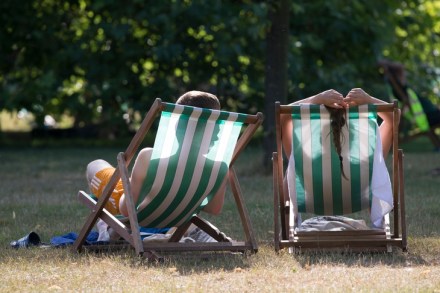
We have reached peak summer, literally. And the weather is probably the Brexiteers’ best argument, since it would be madness to go abroad. This is the great week of summer parties in London, including the US Embassy and the FT. Last week was the V&A summer party, described to its director Tristram Hunt by one disbelieving

Diary – 28 June 2018

From our UK edition

In this gloriously sunny week, the cavalry horses are off on their summer break to Bodney, Norfolk. They can be seen prancing across Holkham beach, scattering oyster catchers, pushchairs, Cath Kidston picnics and naturists. Everybody loves to see the horses, some plunging into the sea, others shying gingerly from the spray. I am especially keen,

The Brexiteers own optimism just as Remainers claim reason

From our UK edition

On Brexit bias, tone has become almost as important as argument. I notice that cheerfulness can grate on some, who regard it as political comment. When the Australian high commissioner asked on the Today programme why Brits were so gloomy, it was categorised as an anti-Remain intervention. It is true that whoever came up with

Diary – 21 September 2017

From our UK edition

Next month, the Today programme marks its 60th anniversary, so I have been mugging up on the archives. If there is a lasting characteristic, I reckon it is curiosity about how the world works. After four months in this job, my sense of wonder is undimmed that global experts on everything from nuclear warheads to

George Osborne’s Evening Standard job is good news for London

From our UK edition

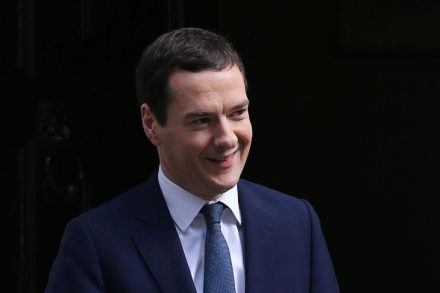
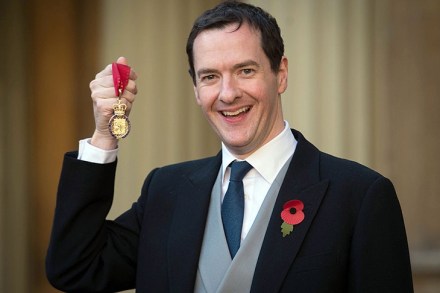
George Osborne has been a good friend to London. He sees the point of infrastructure and I hope he’ll fight hard for Crossrail 2, which has been shunted into the sidings by this government. London business rates are a huge issue, close to Osborne’s heart. He’s a supporter of the arts, with a streak of

Diary – 23 March 2017

From our UK edition

So I am feeling a bit better about my lack of radio experience. These are exciting times for free movement of labour and with Westminster under the control of Tory and Labour cabals, lovely jobs outside Parliament are tempting. George Osborne is no more qualified to edit the London Evening Standard than Tristram Hunt to

Diary – 1 March 2003

From our UK edition

I have written a novel about Middle England’s love affair with female newsreaders. I was struck by a survey which showed that viewers of these grave messengers of world events could remember only the first 30 seconds of what was said. The women newsreaders really are talking heads. My implicit thesis is that press journalists