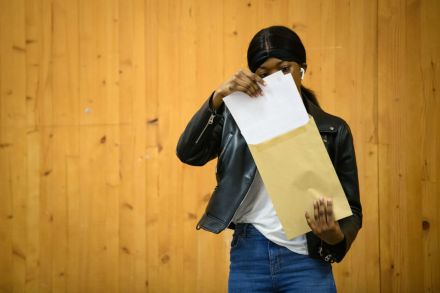
Samantha Smith

Samantha Smith is an A-Level student

X’s AI bot must stop stripping women

From our UK edition

I never imagined I would see myself nearly naked on screen. But after posting an innocent photograph of myself on X, that’s exactly what I saw when I opened my computer over the weekend. X’s artificially intelligent chatbot, Grok, had been used to digitally remove my clothing. My face and body were warped into pornographic material for the pleasure of men. My face and body were warped into porn My first reaction was disbelief. The second, anger. The third, a sinking, slightly nauseating realisation that this problem isn’t going away. I was raised in a generation that was frequently lectured on the importance of social media safety. A stark warning was often repeated to us: 'The internet never forgets!


Lessons have not been learned about child sex abuse

From our UK edition

This week, the Independent Inquiry into Child Sexual Abuse (IICSA) published its long-awaited final report. It describes in harrowing detail the experiences of more than 7,300 victims and highlights the systemic failings of institutions in protecting children and addressing child sexual abuse (CSA) and child sexual exploitation (CSE). However, as with other similar inquiries that preceded it, many survivors fear that the findings and recommendations of the IICSA will be swept under the carpet. Child sexual abuse and exploitation takes many forms: from abuse within the family to group-based sexual exploitation or online grooming. The national crisis in child sexual abuse cannot be overstated.

Who cares? The real problem with social services

From our UK edition

After a tumultuous childhood and breakdown in family relationships, I ended up in the hands of social services. I remember my social worker dropping me off at the door of my emergency accommodation with a bag of clothes and little else. On my first day, while filling out my induction paperwork in the office, a staff member asked me: 'What’s a girl like you doing in a place like this?'. I was far too ‘nice’, he said, to be trapped in their prison-like environment. His comment perfectly summarises a common attitude within the social care system to the young people it was set up to help. This week, the Independent Review of Children’s Social Care released its final report, outlining the need for an urgent overhaul of the care system in England.

Why is Durham offering training for student sex workers?

From our UK edition

As a first year university student from a disadvantaged background, I know all too well the constant struggle students can face to make ends meet. Before starting my studies at Durham, I worked three jobs to keep food in my mouth and clothes on my back while in full-time education. Living in group homes and emergency accommodation, I saw those around me searching desperately for any way to earn a living, even if it meant endangering their health and their lives. So it was both surprising and disturbing to find when I arrived at Durham that the university’s student union was encouraging young people down an incredibly dangerous path by offering training for students doing sex work.

A level students have been failed again

From our UK edition

The world was turned upside down in 2020. Schools closed, shops shut, and planes were grounded as the global health crisis hit the world. The great institutions of our society seemed to crumble under the pressure of the pandemic. This was particularly the case for the UK’s education system, which is still failing students 18 months on. This morning, students will be receiving their A level grades, after a year of learning interrupted by constant lockdowns. I can sympathise with students this year – I experienced first-hand the devastation caused by last year’s A level algorithm fiasco. After the algorithm gave me a B, E and U, I was rejected by both my first and second choice universities.

Vaccine passports are a betrayal of young people

From our UK edition

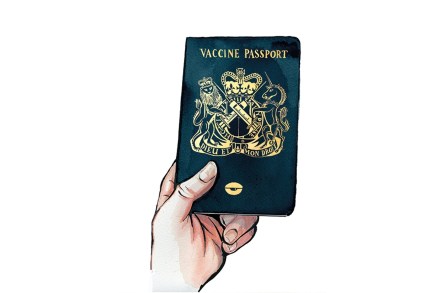
The government denied it for months. Michael Gove said there were no plans for them. Backbenchers professed that the idea was unethical, unthinkable and unenforceable. The vaccines minister, Nadhim Zahawi, said the public could hold him to his promise that vaccine passports were never going to become a reality. Yet in a rather predictable turn of events, the Prime Minister has this week announced that all over-18s will need to demonstrate that they have received both doses of a vaccine in order to enter nightclubs, venues and other large gatherings. From now on, ‘proof of a negative test will no longer be enough.

The class of 2020 are being failed yet again

From our UK edition

Last year, after the cancellation of exams and the ensuing A Level results fiasco, which saw thousands of students downgraded by an algorithm, the Government promised this would never happen again. They asked students to put their faith in a system that had failed them once before, and guaranteed that lessons would be learnt. Yet, one year later, young people are being put in yet another impossible position by the education system. Despite earlier assurances from the Education Secretary that exams would not be cancelled this year, teacher-assessed grades will end up deciding the fate of the class of 2020/21. That will create its own set of problems for many students.

School closures are creating a mental health crisis

From our UK edition

Imagine telling a child they wouldn’t be able to attend school. You might expect to be met with tears, tantrums and confusion. They would understandably be upset at the prospect of losing their structures and support networks for an unforeseen length of time. This is what children have faced since schools and early learning settings first closed their doors last March: opening and closing over and over again like some sort of revolving door. Separated from their friends, family and all sources of social contact outside of a computer screen, young people have suffered some of the worst effects of lockdown. People are creatures of habit: we need routine and we rely on the presence of others to lift us up and share our burdens during times of hardship.

The A-level algorithm shattered my university dream

From our UK edition

With a B, an E and a U at A-Level, it came as no surprise that yesterday I was rejected by both my first and second choice universities. Had I sat the exams myself, then I would have been more understanding of the outcome: at least I would only have myself to blame. But those grades do not reflect my ability, nor were they predicted by my teacher. Instead, the BEU that greeted me on results day was based on what an algorithm thought I ought to achieve. Last week, I wrote for Coffee House of my concern that students from disadvantaged backgrounds would be disproportionately impacted by the cancellation of exams and introduction of calculated grades, and I’m afraid I was right.I held offers from top Russell Group universities to study Law (Cardiff being my firm choice).

Predicted A-level grades could destroy my university dream

From our UK edition

I was homeless at 16, and sofa-surfed throughout my A-Levels. Despite my circumstances, I worked hard and now hold offers from some of the best universities in the country — Cardiff being my firm choice — to study law. Yet I’m terrified that because this year's results won't be based on exams but on predicted grades, I will miss out without ever having had a chance to prove myself. Hearing about the fiasco in Scotland — where thousands of pupils got worse grades than they were expecting — has only made me more concerned. While those in younger years may be celebrating the longest summer holiday in modern British history, my fellow Year 13s and I haven’t seen much cause for celebration.