Rory Hanrahan

Rory Hanrahan is originally from Ireland. He now lives in Oxfordshire, where he manages three village pubs with his wife.

Let’s raise a pint to BrewDog – and hope it bounces back

From our UK edition

BrewDog is in trouble. Its beers have been axed by nearly 2,000 pubs. Punk IPA – once a craft beer titan – has vanished from bars across Britain. The firm is closing ten of its own pubs, including its flagship bar in Aberdeen. Last month, co-founder Martin Dickie left. There's little doubt that BrewDog has lost its shine; it's no longer the cool brand it was. But the firm's troubles are nothing to celebrate. James Watt and Dickie, the two Scottish lads who founded the firm, are heroes of mine. They took on the beer giants and built an empire from a shed with raw cheek and grit. Their success is a tale of a British triumph that shook an industry, riled the PC mob. Now, BrewDog fights to stay afloat.

The great British pub is not dead yet

From our UK edition

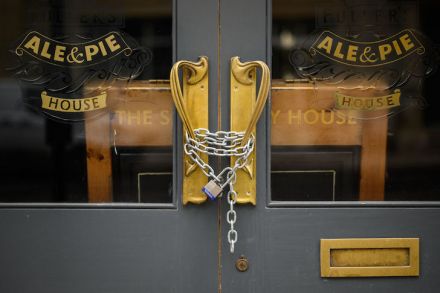
My Oxfordshire taproom used to sing on Fridays: carpenters, teachers and office clerks, knackered from the week’s graft, would elbow for pints in a natural democracy of nods and grins. The bar was a grand leveller – toff or tiler, all waited their turn and banter stitched the room together. Post-pandemic, that tune has gone quiet. Now, working from home has throttled the after-work scrum and business limps across midweek evenings. The pub trade has troubles, no question. Energy bills, up a fifth in a year, are choking profits. National Insurance hikes, the return of the full charge of VAT and rocketing business rates (some landlords face £20,000 a year) make pouring pints costly.

Norman Tebbit, forgiveness and my father, the IRA bomber

From our UK edition

Norman Tebbit, who died this week at the age of 94, embodied a sterner Britain. His political career was remarkable but it paled in comparison with his unyielding love for his wife Margaret, whom he wheeled through life for four decades after the IRA’s Brighton bomb paralysed her body in 1984. Tebbit never forgave those who nearly killed him and left his beloved wife in pain for the rest of her days. My dad met Tebbit several times, earning his 'hero of the week' nod in his Sun column for exposing the IRA My father, Sean O’Callaghan, was an IRA bomber who turned against his comrades and, in doing so, saved countless lives. He thwarted a bomb plot in 1983 aimed at Prince Charles and Princess Diana.

Red tape is ruining Britain’s pubs

From our UK edition

Takings were falling. Regulars were drifting away. Our pub was in a bad way. It was clear that things needed to change. But, paralysed by fear of an employment tribunal in a legal system tilted against employers, we felt trapped. If we sacked the managers and replaced them, we could find ourselves embroiled in a messy legal case that could cost us everything. So, drowning in paperwork, warnings, hearings, improvement plans, and risk assessments, we endured. Running a pub felt less like hospitality than surviving a siege of bureaucracy. That was when I saw it. This wasn’t just one bad incident. Our beloved pub was being strangled in red tape. We're not alone. It's as if publicans can't be trusted to behave like adults. No wonder so many pubs are closing.

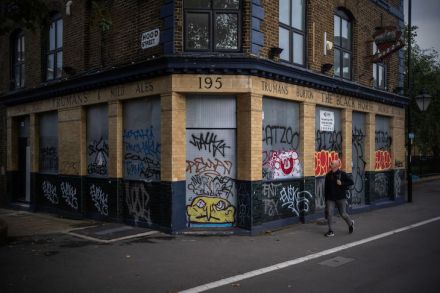
The sad death of the English pub

From our UK edition

It was a drizzly Tuesday evening in the 17th-century Oxford village pub I manage, the kind of night when regulars huddle close to the bar, pints glowing amber under low lights. An old chap in a flat cap, nursing his third ale, grumbled about the council’s latest parking scheme. The village curate, leaning on the bar, sparred with the local councillor over the steep cost of saving the church roof. A young couple, new to the area, weighed London against Oxford, sneaking glances at the football on the telly. For a moment, the pub hummed with life – a microcosm of England, where strangers turn mates and the day’s weight lifts in shared chatter. At their best, pubs are living rooms for the nation.

Why do some Irish people hate Israel so much?

From our UK edition

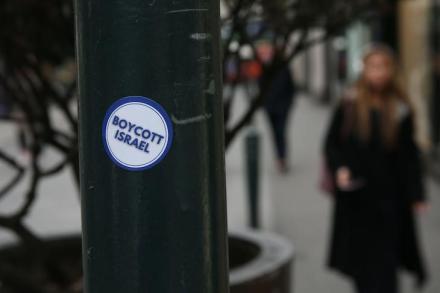
It was a quiet lunch shift at the pub in Oxford where I work, the kind of day when the bar feels more like a confessional than a business. A lone customer, a woman with a light accent I took for Dutch, had just finished her meal and approached to pay. Playing the host, I made small talk. How bad have things become for Israelis here? “Where are you from?” I asked, expecting the usual tourist’s reply. Her face tightened, her voice dropped to a near-whisper. “Israel,” she said, bracing herself as if I might leap over the bar and chase her out into the street. I reassured her – I support Israel, I said, and I’m ashamed of how Jews are being treated in Britain today.