Roland Elliott Brown

The beauty of Soviet anti-religious propaganda

From our UK edition

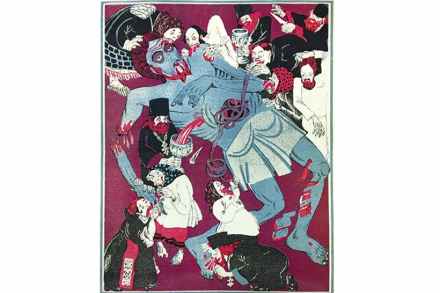
Deep in the guts of Russian library stacks exists what remains — little acknowledged or discussed — of a dead and buried atheist dream. The dream first took shape among Russian radicals of the mid-19th century, to whom the prospect of mass atheism seemed the key to Russia’s salvation. When Lenin seized power in 1917,
An accident waiting to happen

From our UK edition

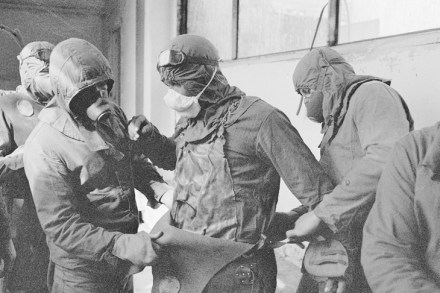
In the early days of the atomic age, Soviet students debated whether it was nobler to become a physicist or a poet. Some of them seem to have been genuinely torn, and one of those may well have been Anatolii Diatlov, who was the deputy chief engineer at Chernobyl during the late-night turbine test that

Heroines of the Soviet Union

From our UK edition

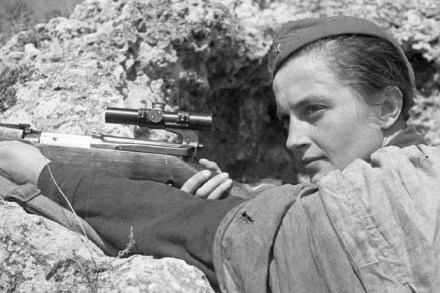
Klara Goncharova, a Soviet anti-aircraft gunner, wondered at the end of the second world war how anyone could stand to give birth after learning about Auschwitz and Dachau. But as it turned out, she was already pregnant. Anastasia Voropaeva, a corporal and searchlight operator, recalled a pretty Russian girl in liberated territory who had been

How Lenin manipulated the Russian Revolution to his own ends

From our UK edition

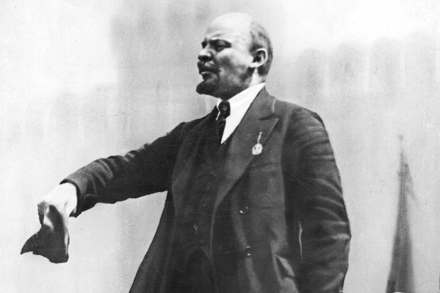
The centenary of the Russian Revolution has arrived right on time, just as the liberal democratic world is getting a taste of what it’s like to feel political gravity give way. In 2017, Lenin lives. ‘In many ways he was a thoroughly modern phenomenon,’ writes Victor Sebestyen in Lenin the Dictator, the kind of demagogue

The man and the moment

From our UK edition

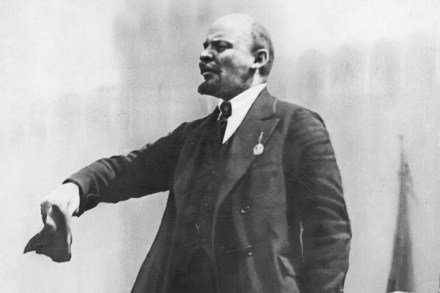
The centenary of the Russian Revolution has arrived right on time, just as the liberal democratic world is getting a taste of what it’s like to feel political gravity give way. In 2017, Lenin lives. ‘In many ways he was a thoroughly modern phenomenon,’ writes Victor Sebestyen in Lenin the Dictator, the kind of demagogue

Waiting for Utopia

From our UK edition

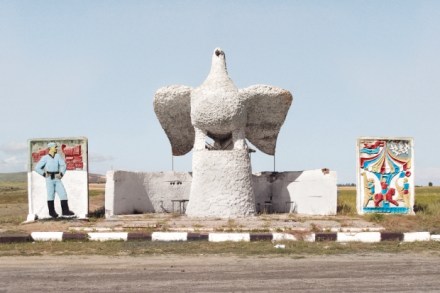
The Soviet Union was a nation of bus stops. Cars were hard to come by, so a vast public transport network took up the slack. Buses not only bore workers to their labours, but also breathed life into the ‘union’ itself by taking travellers from town to taiga to desert to seaside. In remoter parts

A place of paranoia, secrecy, corruption, hypocrisy and guilt

From our UK edition

‘Is he a good writer? Is he pro-regime?’ an Iranian journalist in London once asked me of Hooman Majd. Majd is an Iranian-American journalist who was born in Tehran in 1957, but is better known in America. His father was a well-travelled Pahlavi-era diplomat, and his grandfather was an ayatollah. His cousin is married to

Constance, by Patrick McGrath – review

From our UK edition

Patrimony and infidelity are defining themes of the Anglo-American relationship, as they are of Constance, a novel with alternating narrators: Sidney Klein is English, in his forties, and an authority on Romantic literature. Constance Schuyler is American, 22, and believes her father hates her. Their new marriage enters crisis when Constance’s family reveals her origins

The Coup: 1953, the CIA and the Roots of Modern US-Iranian Relations, by Ervand Abrahamian – review

From our UK edition

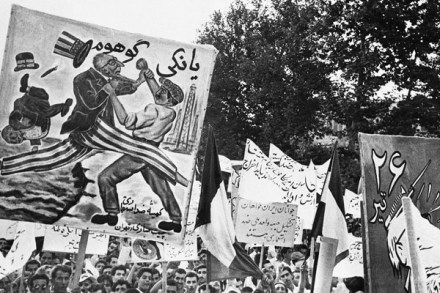
‘What is your idea about Iran?’ friendly Iranians are heard to ask the few foreign visitors who still come their way. One is never quite sure whether by ‘idea’ they mean ‘impression’, ‘opinion’ or ‘theory’. Inspiring landscapes, fine cuisine and a tradition of hospitality make the first category easy ground. The second pertains to politics,