Robert Colville

Fact-check: Will Labour really save the average family £6,700 a year?

From our UK edition

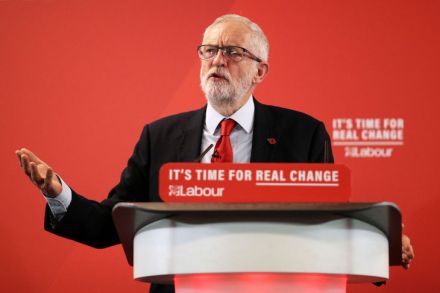
John McDonnell claimed in a speech in Birmingham today that the Labour party's plans to expand free childcare, cut rail ticket prices, and introduce free prescriptions and free school meals, along with various other measures, would save the average family £6,700 a year. Given how much Labour had allocated for these promises in the costings document accompanying its manifesto, I immediately suspected that their figures would not add up. But having seen the Labour dossier which costs this claim, it is impossible to stress – even by the standards of modern politics – how shoddy these numbers are and how quickly they fall apart. This document comes in two parts, the 'cost of the Tories' and 'savings under Labour'.

Labour’s four-day week pledge doesn’t add up

From our UK edition

Would you like to be paid the same amount of money for working fewer hours? It sounds like it’s too good to be true. And at least when it comes to the public sector, it very definitely is. At the Labour party conference, John McDonnell announced that the party would, over the course of the next decade, cut the average working week to 32 hours (from the current figure of 37.3 or 42.5, depending on which data you use). In other words, from five days down to four. This policy, championed and welcomed by the trade unions, would have big implications for businesses. But it would also have a huge impact on the public sector. On the face of it, you’d either need to hire 20 per cent more teachers, nurses, civil servants and so on.

Nationalisation isn’t the solution to fixing Britain’s railways

From our UK edition

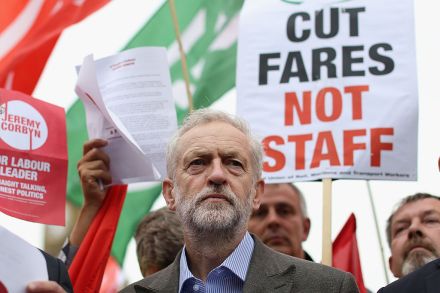
It’s the New Year, which must mean that railway fares are up again – this time by an average of 3.1 per cent. Jeremy Corbyn has said the latest price hike is a ‘disgrace’, and commuters forced to shell out more for their journeys are likely to agree. No one – not even Chris Grayling – is pretending that Britain’s railways are perfect, or that the system that they operate under does either. The Transport Secretary has in fact explicitly stated this week that ‘the franchising model cannot be the path for the future’. But at the same time, there’s something that’s not said often enough, or even at all: Britain’s rail network is actually not that bad.

George Galloway was humiliated in London. Hooray!

From our UK edition

It’s rare that an election result leaves you with a sense of giddy, disbelieving glee, but there it was in black and white. Galloway, George, Respect (George Galloway) Party, 37,007 votes. Walker, Sophie, Women’s Equality Party, 53,055 votes. Once you took second preferences into account, Walker and her newly formed feminist movement beat Galloway and his band of Islamists by almost 100,000 votes. This result is so striking, and so perfect, because Galloway is one of those old-fashioned socialists whose attitudes towards gender equality are distinctly retrograde: it is the man’s job to further the revolutionary cause and the woman’s to provide dutiful comradely support.