Robert Barry

The triumph of bedroom pop

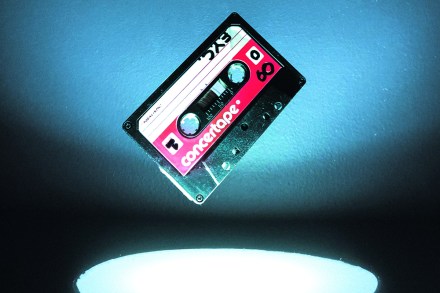
I must have been about 16 when I got my first Portastudio. The compact home recording unit had first been introduced by Japanese electronics firm Teac in 1979, offering unprecedented multitrack dubbing to the bed-bound amateur musician. For a little less than $1,000, you could record four separate tracks of instrumentation — as much as the Beatles had when making Sgt. Pepper — on an ordinary cassette tape. By the time I got my teenage hands on a four-track machine of my own, that price had come down by an order of magnitude. It was a chunky little unit in pigeon blue with just two microphone sockets and a small handful of mixing dials for volume control and stereo panning.

lo-fi

The triumph of bedroom pop

From our UK edition

I must have been about 16 when I got my first Portastudio. The compact home recording unit had first been introduced by Japanese electronics firm Teac in 1979, offering unprecedented multitrack dubbing to the bed-bound amateur musician. For a little less than $1,000, you could record four separate tracks of instrumentation — as much as the Beatles had when making Sgt. Pepper — on an ordinary cassette tape. By the time I got my teenage hands on a four-track machine of my own, that price had come down by an order of magnitude. It was a chunky little unit in pigeon blue with just two microphone sockets and a small handful of mixing dials for volume control and stereo panning.

Sound investment

From our UK edition

Listen closely, among the shelves of the last remaining music shops, in student dorm rooms and amid the flat whites and reclaimed wood of certain coffee shops, and you’ll hear a sound that many thought long banished. Check out the steadily rising sales figures of the past few years and there’s little doubt: the vinyl record is making a comeback. With it comes the return of another sound, like some po-faced, bearded handmaiden: the whine of the vinyl bore. It is three decades since 12-inch PVC discs were the dominant means of access to music, but for some the format never died and analogue will always offer a purer, more true-to-life audio reproduction.