Richard Baxell

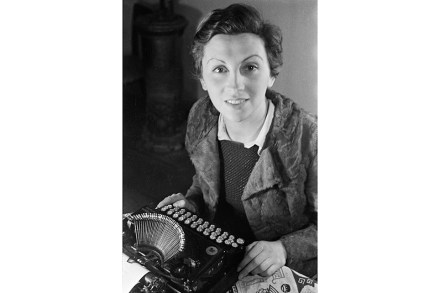
The women who rallied to the Republican cause in Spain

From our UK edition

‘We English,’ the prime minister Stanley Baldwin allegedly remarked following the outbreak of the Spanish Civil War in July 1936, ‘hate fascism, but we loathe bolshevism as much. So if there is somewhere where fascists and bolsheviks can kill each other off, so much the better.’ Initially, many in Britain probably agreed with Baldwin, seeing no reason to be drawn into another country’s civil war. But a sizeable minority thought very differently, believing that the conflict was not just a civil war but part of an ongoing struggle between democracy and fascism. To them, Spain became a rallying cry, and over the course of the war many thousands from around the world volunteered to join it.

How the International Brigades were ‘thrown into the heart of the fire’

From our UK edition

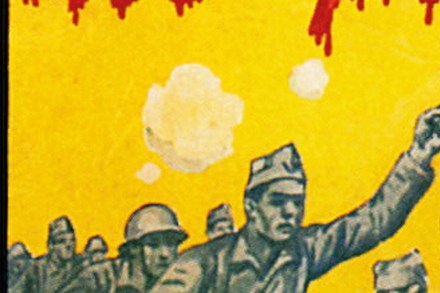
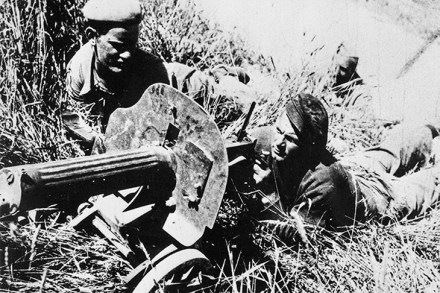
During the Spanish civil war of 1936 to 1939, 35,000 men and women from around the world volunteered to fight against the forces of General Franco and his supporters from Fascist Italy and Nazi Germany. When the volunteers were withdrawn in September 1938 after two years of bitter fighting, more than a fifth of them had been killed and very few emerged unscathed. Conflicts are by definition binary affairs, so it’s inevitable that bitterly contrasting views of the role of the International Brigades have existed ever since the civil war itself. For the volunteers and their supporters, their sacrifices were a ‘heroic example of democracy’s solidarity and universality’.

General Franco’s British foes

From our UK edition

David Lomon was one of the lucky ones. While fighting in Aragon in south-west Spain in the spring of 1938, the former salesman from Hackney was captured by one of the 100,000 Italian soldiers sent by Mussolini to fight for General Franco’s forces. Incarcerated in a Francoist concentration camp, his experiences were horrifying — brutal guards, starvation rations, insanitary and verminous conditions and a decidedly uncertain future — but he did at least survive. Many of his compatriots did not. Almost one in five were killed and most were wounded at least once in their fight to defend the Spanish Republic in the civil war of 1936-1939, in what some observers have seen as the opening salvo of the Second World War.