Rebecca O'Connor

The debt elephant in the middle class sitting room

From our UK edition

At some point in the last ten years, since the financial crisis (for that life-changing decade is an anniversary we are approaching), a change in perspective occurred: we went from seeing unsecured debt as something that is undesirable but occasionally necessary to something that is both unavoidable and normal. Credit cards and loans, once something

The young are tired of London – and who can blame them?

From our UK edition

London has historically been the place to go for young creative types. These days, renting damp warehouses and staying in bad relationships just because being in a couple makes life cheaper are among the many grim choices some make just to be there. But they wouldn’t have it any other way. The thought of settling

We should teach infants about the value of money

From our UK edition

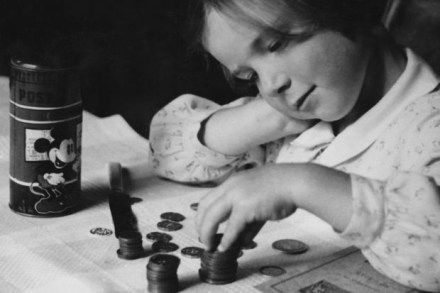
On the one hand, perhaps he should only be thinking about football, Minecraft, his Lego Millennium Falcon and whether he is actually capable of magic. On the other, I can’t let this window of opportunity go by. Being five-years-old is a prime time for learning about the world and how things work. It might seem

Mortgage rates are fuelling the generational wealth imbalance

From our UK edition

At some point a few years ago, after the financial crisis had passed but the economic stats still showed the effects, while wandering down the posh bit of my local high street where all the top-end furniture retailers, Italian delis and estate agents reside, I suddenly got it. I noticed that the ones carrying the

We need to be more sceptical about financial adverts

From our UK edition

Scepticism has a solid place in the history of British philosophical enquiry. Back in the 18th century, empiricists such as David Hume dedicated their lives to the importance of suspending belief in things for which there is insufficient evidence through experience. On the whole, it’s a tradition our culture has maintained. Scepticism rears up in daily

‘Invisible spending’ is turning us into a nation of Micawbers

From our UK edition

You don’t have to be an economist to know that if you spend more than you earn, you’re in trouble. As Micawber famously said in David Copperfield: ‘Annual income twenty pounds, annual expenditure nineteen pounds nineteen shillings and six pence, result happiness. Annual income twenty pounds, annual expenditure twenty pounds nought and six, result misery.’

Death of early retirement? More like death of retirement

From our UK edition

The biggest cultural shifts happen invisibly, bubbling away below the surface for years before someone notices a change. So it was the acceptability of moustaches and gluten-free diets. And so it is with an understanding that we will be working until we die. There was once a time when the goal of any aspirational worker

Pets v children: financially speaking, it’s no contest

From our UK edition

There’s a whole swathe of wannabe parents buying pets to ‘practise on’, according to recent research. More than two million British dog owners bought their dogs to limber up for a baby, the Direct Line survey found. Meanwhile, a third of dog owners without children feel like parents and one in 20 childless dog owners