Professor Gordon Wishart

Professor Gordon Wishart is chief medical officer at Check4Cancer and a visiting professor of cancer surgery at Anglia Ruskin University

Politicians aren’t discussing Britain’s woeful cancer survival rates

From our UK edition

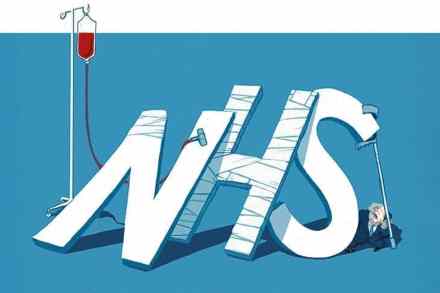
Last week, amid a flurry of election policies and debates, a striking report found that cancer survival in England currently lags up to 25 years behind European countries like Sweden, Norway and Denmark. From bowel cancer to breast diagnoses, England is firmly lagging behind our Scandinavian neighbours. What’s to blame? Why aren’t major parties discussing how this decline could be reversed in their manifestos? The revelation by Macmillan Cancer Support is the legacy of many years of underfunding, resulting in delays to diagnosis and treatment. England has less scanners, beds, cancer specialists & nurses per head of population than comparable countries.
Britain is facing a cancer care timebomb

From our UK edition

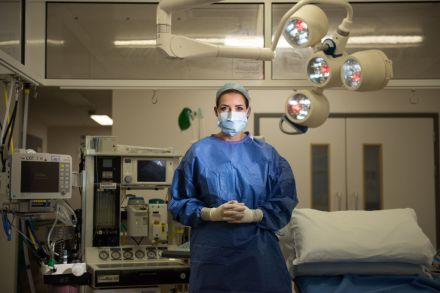
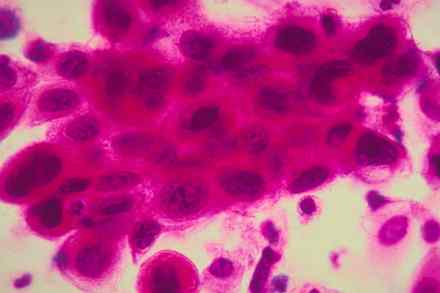
As many as 100,000 patients had a cancer that was missed, or had their diagnoses or treatments delayed during the lockdowns of 2020 and 2021. That’s the shocking finding of a recent study by the Institute of Cancer Policy at King’s College London. The experts conclude that some patients will already have died, many still haven’t been diagnosed and others will already have a more advanced cancer as a result of the delays. And it is likely this figure of 100,000 will continue to rise as more data from 2021 and early 2022 is analysed. In other words, there could not be a more important time to fix cancer care in this country.

Another lockdown will only fuel the cancer crisis

From our UK edition

One of the biggest mistakes made in previous lockdowns was to neglect non-Covid healthcare, cancer especially. As we prepare for an Omicron wave, might we be about to make the same mistake? Chris Whitty was asked this in a parliamentary inquiry recently and he was surprisingly dismissive. 'This is sometimes said by people who have no understanding of health at all. But it’s not said by anyone serious, if I’m, honest,' he said. Contrary to what Professor Whitty suggests, several serious people are very worried about what might happen to cancer if there is too narrow a focus on Covid.

Lockdown didn’t save lives from cancer

From our UK edition

Everyone understood the government message in March 2020 to stay at home, protect the NHS and save lives. Yet the lives that we knew were being saved were ones from Covid-19. Anything more long-term than daily figures never registered. The concept of other causes of death – most devastatingly cancer – were secondary concerns. We may be about to see the consequences of this Covid solipsism. The recent cross-party parliamentary report “Catch Up With Cancer – The Way Forward” showed that UK lockdowns had resulted in a staggering drop in cancer treatment. There were 350,000 fewer urgent cancer referrals in 2020, and 40,000 fewer cancer diagnoses, compared to 2019.

Is the daily drip of Covid statistics still helpful?

From our UK edition

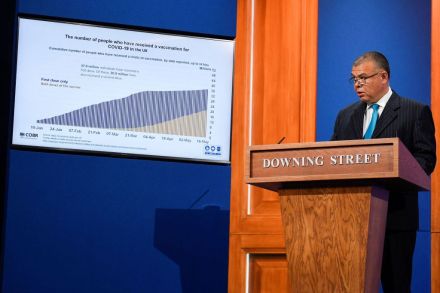
It is hard to remember a time when the daily drip of Covid statistics was not part of our lives. Since March 2020, we have been greeted every afternoon with a stream of government released data filling us in on the number of infections, hospitalisations and deaths. But how necessary is it today? With a current seven-day average of only seven Covid deaths a day, the lowest level since 15 March 2020, what do we stand to gain by continuing with this current approach? It is becoming increasingly apparent that the Indian variant is not going to swamp hospitals – and that concerns about fully unlocking on 21 June are over-egged. Even if this particular variant does prove to be more transmissible, the effectiveness of the vaccines prevents it from being of much concern.

Lockdown and cancer: are we getting the full story?

From our UK edition

The 10 Downing Street press conferences on Covid-19 tend not to show graphs about cancer care. We see various charts by statisticians and epidemiologists, but the impact of lockdown on patients with time critical conditions such as cancer has been largely ignored. The disruption of cancer services is a global phenomenon, but the suspension of screening services and failure to protect cancer services in the UK has resulted in 40,000 less cancers being diagnosed last year, compared to 2019. The true scale of the cancer backlog has yet to be acknowledged by the UK government, far less prioritised with specific additional funding. Denial could cost lives.