Philip Eade

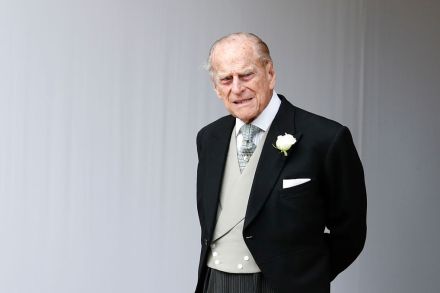
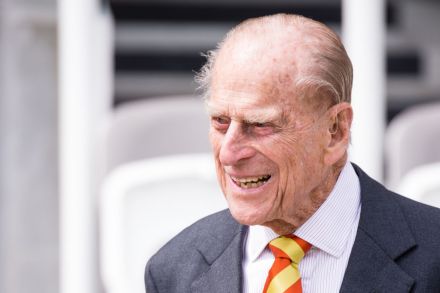
The vital part Prince Philip played in the Queen’s success

From our UK edition

The Queen has received deserved tributes from both monarchists and republicans for her extraordinary achievements in the role for which she became unexpectedly destined aged ten and later inherited at the equally unforeseen age of just 26. But she recognised more than anyone the vital part played by her husband Prince Philip, Britain’s longest-serving consort, to whom she said the country owed a debt ‘greater than he would ever claim or we shall ever know’. When the Queen came to the throne in 1952, she inherited a defined position in the country; her husband did not. Selfless, stoical, dignified, dutiful, she possessed an abundance of qualities that would make her an exceptional monarch.

Philip Eade, Dominic Green, Anshel Pfeffer and Lionel Shriver

From our UK edition

32 min listen

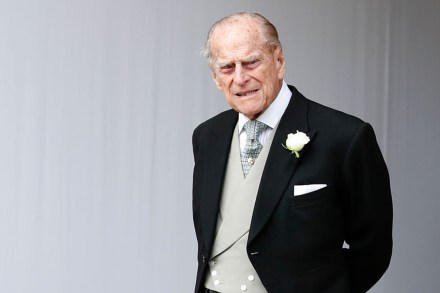
On this week's episode, Philip Eade, biographer to Prince Philip, reads his obituary of the Prince. We're also joined by Dominic Green, Spectator USA's Life and Arts Editor, who reads his article on Prince Harry's new job. Anshel Pfeffer reports on life in Israel under the vaccine passport; and Lionel Shriver on the West's self-doubt and who stands to benefit.

A tribute to Prince Philip, 1921-2021

From our UK edition

Prince Philip played a pivotal, yet often underestimated, role in ensuring the survival of the modern British monarchy. His self-confidence and irreverence served as an invaluable foil for the young Queen Elizabeth, enabling her to overcome her natural shyness and giving her the confidence and stability to reign so calmly and irreproachably for such a long time. As Britain’s longest-serving consort, he outlasted 14 prime ministers and carried out a staggering 22,000 solo public engagements, joking shortly before his retirement from royal duties in 2017 that he was probably the world’s most experienced plaque-unveiler.

Prince Philip is well placed to imagine his grandsons’ grief

From our UK edition

The broadly welcomed admission recently by Prince Harry that he had sought counselling to help him to deal with his grief over the death of his mother, Princess Diana, when he was 12, presents a striking contrast with the stiff upper lip always favoured by his soon-to-retire grandfather, Prince Philip. Nevertheless, the Duke of Edinburgh is curiously well placed to imagine something of what his more emotionally open grandsons might have gone through after the shocking news from Paris in August 1997.