Philip Cowley

Why Labour MPs aren’t turkeys afraid of a Christmas election

From our UK edition

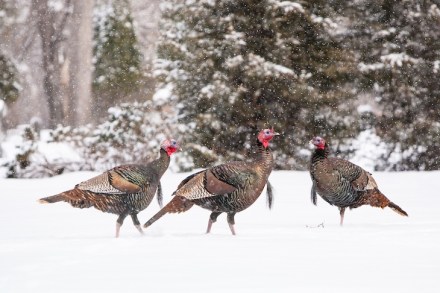
Turkeys don't vote for Christmas. If I had a penny for every time I'd heard that phrase recently to explain why some Labour MPs didn’t want an election, I'd have enough to buy, well, a turkey. It seems such an obvious argument. Behind in the polls, often by double digits, they have a leader in whom relatively few MPs have confidence and who plumbs new depths of unpopularity with many voters. Plus, their stance on the most important political issue of the day can only be described, even if one is charitable, as potentially tricky to sell on the doorstep in the freezing cold ('…then, next, we’ll call a special conference to decide what to do…'). In such circumstances, who’d vote for an early election?
The winners and losers of a Christmas general election

From our UK edition

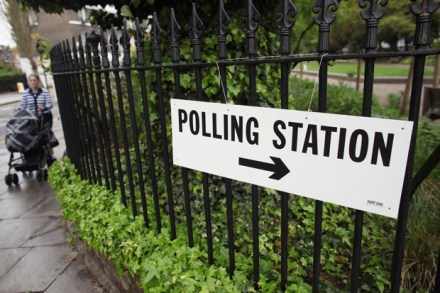
Who will you feel most sorry for in the event of a December election? Election officials who will find many of the venues they normally use for polling stations already booked up for Christmas parties and school plays? Or party activists, who will have to go door-knocking in the cold and dark, maybe through horizontal sleet or snow? Perhaps it is the humble voter, who will find an election campaign impinges on their festivities? Or maybe you have a hard heart and don’t much sympathise with any of them. You just want to know if holding an election in winter will make much of a difference to the outcome. If you are, I regret to have to tell you that the evidence isn’t terribly conclusive.

The next Tory leader will have even less flexibility than May on Brexit

From our UK edition

In Choosing A Leader, what remains one of the best books published on British leadership contests (although I appreciate this is a niche market), Len Stark argued that the procedures parties used when selecting their leaders rarely made much of a difference. With a handful of exceptions, he demonstrated that the same candidate would have won, no matter how the party went about making its choice. Parties chose candidates who will unite them, he argued, after which what mattered was who was most electorally appealing or most competent – and they did that regardless of the rulebook. Yet there were exceptions, not all of them inconsequential.

Trying to analyse the election spending data? Follow Deep Throat’s advice…

From our UK edition

The publication of expenses for last year’s election is a useful reminder of the reality of much of politics. It turns out it’s not all barnstorming speeches and televised debates. There are an awful lot of invoices involved too. The claim everyone is obsessing about is that Labour spent just £16,000 on Facebook adverts, compared to more than a million spent by the Conservatives. Indeed, Labour seems to have spent less on Facebook adverts than each of the Liberal Democrats, Ukip, and Greens. No one disputes the fact that the Conservatives outspent Labour on digital campaigning. For public consumption, Labour used to pretend that this didn’t matter – and that their grassroots activists would trump the Conservatives’ virtual campaign.

Numbers, not arguments about legitimacy, will decide who enters No.10 after May 7

From our UK edition

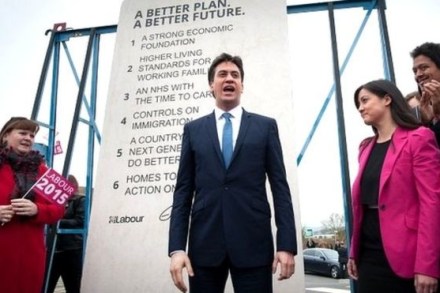
Lyndon Johnson’s first lesson of politics was to be able to count. It’s something that many of those commenting on the various post-election scenarios could do with remembering. Let’s start with those who think that there is some overriding importance in being the largest single party and that this gives you the right to form a government, even if you lack a majority. It is never clear what people expect the other parties to do in such a scenario. Assume, for example, that after the election the Conservatives are the largest party but without a majority, and there is an anti-Conservative block that is larger. Do we really expect the anti-Conservative parties just to shrug their shoulders, say ‘oh well’, and put the Conservatives into power?

What’s more important to voters? Coherent policy or the chance to ‘send a message’

From our UK edition

What are you doing when you vote? Much of the discussion about elections assumes – implicitly or explicitly – that voters are making a judgement about policies being put forward by the parties; that they would only vote for a party which had policies with which they broadly agreed; and, moreover, that these policies will have to form a vaguely coherent programme, and be realistic and affordable. Even allowing for that fact that we know that many voters don’t know the details of the various policies proposed, it is still widely assumed that they would care if they knew. This is why there is so much discussion of policy proposals as elections approach (‘but how will you fund x, Minister?

Don’t believe in tribal politics? Take a look at how people respond to Downing Street’s cats

From our UK edition

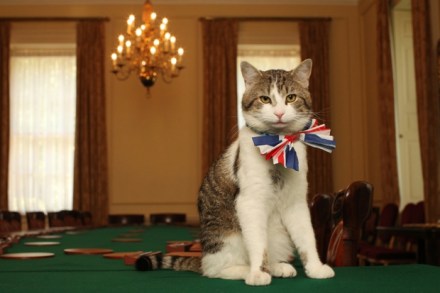
One important staffing decision David Cameron took early in his premiership was to fill the post of Chief Mouser, which had been vacant since the demise of its previous occupant, Sybil, at the height of the global financial crisis. Defying their party’s commitment to lean government, the Conservatives made two appointments: Larry and Freya. These cats are the latest in a long line of Downing Street felines, stretching back at least to Churchill’s time in office.