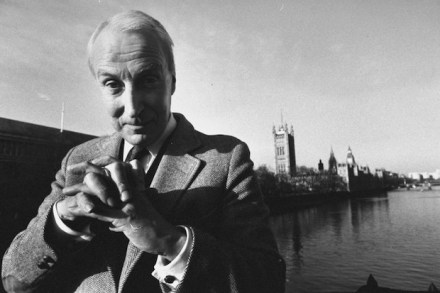
Peter Lilley

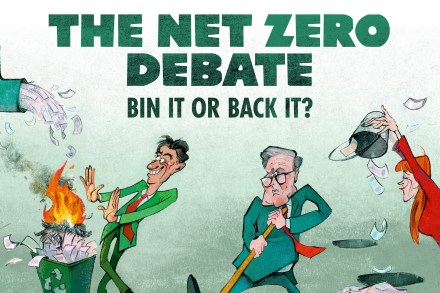
LIVE: The Net Zero Debate | Liam Halligan & Lord Lilley vs Bob Ward & Shahrar Ali

From our UK edition

22 min listen

For nearly two decades, net zero has sat at the heart of Britain’s policy agenda. Once framed as a clear moral imperative, it saw political parties promising to slash carbon emissions and ministers racing to position the UK as a leader on the international stage. But as economic pressures and global instability mount, that consensus is beginning to fray. Recent shocks – from the pandemic to war-driven energy crises – have exposed the fragility of supply chains and the risks of overreliance on external energy sources. While renewables like wind and solar can supplement carbon fuels, they also raise questions around cost, subsidy and reliability. At the same time, drilling for oil in the North Sea is penalised. So where does this leave Britain?

There’s nothing Christian about trapping people on benefits

From our UK edition

What in Heaven’s name should we do about the benefit bill? And what on earth can be done about it? Both those questions were recently addressed by Kemi Badenoch’s thoughtful Wilberforce lecture on ‘The influence of Christianity on Conservative thinking.’ In the lecture, Badenoch asserted that ‘work is good for the soul as well as the economy’; affirmed ‘the Christian recognition that we all have duties to ourselves, our families, and communities’; recognised that ‘the state matters – no decent society abandons those with severe needs’ and quoted St Paul’s epistle to Timothy that: ‘Anyone that does not provide for his own household … is worse than an unbeliever.

Debunking the myths about the ECHR

From our UK edition

This year the European Convention on Human Rights and its Strasbourg court are 75 years old – the age at which British judges are obliged to retire. Is it time for Britain to retire from this ageing institution? Not according to the Attorney-General, Lord Hermer, a former human rights lawyer, who recently pledged that under Labour Britain would never leave. Apologists for the ECHR invariably turn to myths to make their case, foremost of which is the creation myth. The ECHR, they say, was a British invention. It was inspired by Winston Churchill and drafted by David Maxwell Fyfe. It codified historic British rights and the UK was the first country to ratify it.

Parliament has finally woken up – because voters are keeping their MPs in line

From our UK edition

They should have seen it coming. A government defeat on an issue of war may be unprecedented, but defeat on the Syria vote did not come out of the blue. You can certainly blame poor party management, failure to prepare the ground, underestimating the poisonous legacy of Iraq — but such failings are common enough. The biggest single factor is one that ministers, the media and MPs themselves have failed to understand: Parliament has changed. The consensus has long been that Parliament no longer matters. It is assumed to be the docile creature of the government, full of spineless or ambitious MPs who are the slaves of the party whips. In fact, unnoticed and under our noses, that has been becoming progressively less and less true throughout my 30 years in Parliament.

Britain can’t afford to surrender to the greens on shale gas

From our UK edition

The scandal of official reluctance to develop Britain’s shale gas potential is at last beginning to surface. It may prove to be the dress rehearsal for the ultimate drama — the inexorable collapse of our whole energy strategy. Most of us have by now heard about the US shale gas revolution. In little more than six years, shale gas has reduced America’s gas prices to a third of what they are in Europe, increased huge tax revenues, rebalanced the economy, created tens of thousands of jobs, brought industry and manufacturing back to the country’s heartlands, and given rise to a real prospect of American energy self-sufficiency by 2030. Britain may well have comparable shale resources.