Pd James

P.D. James (1920 – 2014) on Jane Austen and the joys of great-grandparenting

From our UK edition

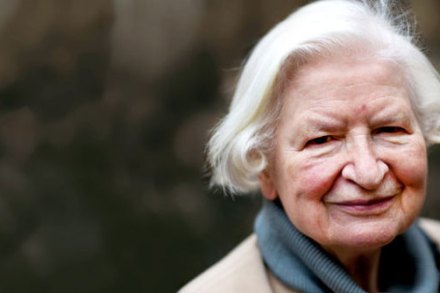
P.D. James died today at the age of 94. She was a great friend of The Spectator. Here is her diary from 27 January 2010: Our protracted family Christmas with my elder daughter, Clare, came to an end when her son, with his Australian wife and two children, returned to Melbourne. The visit has been a great success, particularly so for Clare, whose idea of a perfect Christmas is to have four generations round the table. The snow was a bonus since neither great-grandchild had ever before seen snow. The first glimpse of a totally white England spread out beneath them as the plane descended to Heathrow was a wonder, and getting close to this marvellous glittering stuff and actually playing with it never palled.
Bleeding-under-Wychwood

From our UK edition

Oh take a break at Bleeding-under-Wychwood Away from all the city noise and grime; Where the harvest moon shines bright and the knocking in the night Is the undertaker working overtime. You can dine quite cheaply at the Pig and Whistle On the roast beef of Olde England, rare and lean, But I don’t advise the soup, you’ll be rolling like a hoop For it’s liberally sprinkled with strychnine. You’ll need this little map of Bleeding Manor Where the villainous pursue their dread affairs; See, all the rooms have labels from the attics to the stables With a little matchstick body on the stairs. The squire, Sir Murgatroyd, is old and wealthy And recently has wed a teenage wife.

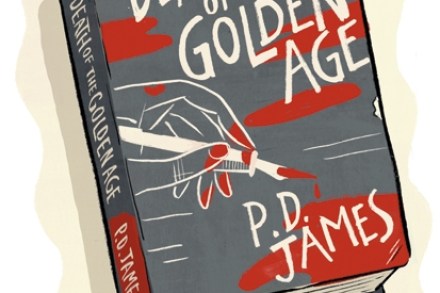
P.D. James: Who killed the golden age of crime?

From our UK edition

In 1934, in her preface to an anthology of short detective stories, Dorothy L. Sayers wrote, ‘Death in particular seems to provide the minds of the Anglo-Saxon race with a greater fund of innocent amusement than any other single subject.’ And, to judge by the worldwide popularity of this essentially innocent genre, it is not only the Anglo-Saxon race who are addicted to murder and mystery. It was in the so-called Golden Age between the two world wars that the genre flourished so imaginatively and successfully that it seemed that everyone who could put together a coherent narrative was tempted to join this fascinating and lucrative game. The Oxford academics in particular seemed to be writing mainly to amuse themselves and each other.

Fearless freedom fighter

From our UK edition

Sara Paretsky is one of the most respected and influential crime novelists of today, and this poignant and compelling personal testimony explains both the influences which made her a writer and the kind of writer she became. She was born in 1947 in Ames, Iowa, and grew up in Lawrence, Kansas, the only daughter in a Jewish family of five children. It was a world in which white Republican Protestants were the decision-makers, any questioning of their social mores provoking an aggressive reaction. Both parents were well educated and highly intelligent, both actively worked for social justice, but paradoxically kept their only daughter in emotional and educational subjection.

It was a dark and stormy night . . .

From our UK edition

It is hardly surprising if from time to time a contemporary novelist should attempt to write a pastiche of Agatha Christie, if only in the hope of solving the mystery of her egregious popular success and its longevity. Year after year this gentlyreared Edwardian lady produced stories of sometimes fiendish ingenuity which were seized on eagerly by a world readership with the avidity of druggies awaiting their annual fix; murder without disturbing horror, loss without pain and class-consciousness without guilt. While prestigious prize-winning novels drop out of print, Christie’s paperbacks are still ranged on bookstore shelves. Gilbert Adair sets out his intention clearly, to pay homage both to the Golden Age of the English murder mystery and to its most brilliant practitioner.