Paul Mason

Paul Mason is a journalist and author.

Where it’s all kicking off in Athens nightlife

From our UK edition

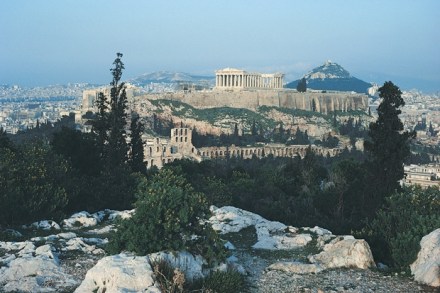
[audioplayer src="http://traffic.libsyn.com/spectator/TheViewFrom22_16_April_2014_v4.mp3" title="Paul Mason on why Athens is the place to go" startat=1192] Listen [/audioplayer]Where in the developed world can you ride a moped, minus helmet, at 2 a.m. under the noses of weary riot cops, when your night out has only just begun? Athens of course. Greece is in its sixth year of recession and crisis but this is still one of Europe’s great cities for culture, food, drink and entertainment. First stop: Bouzoukia. Forget all your troubles as you spend the small hours listening to live Greek pop music of a kind that makes The X Factor look underproduced. Despite the austerity, young Greeks say they will never sacrifice their nightlife and here is the proof.
What’s kicking off in Cyprus

From our UK edition

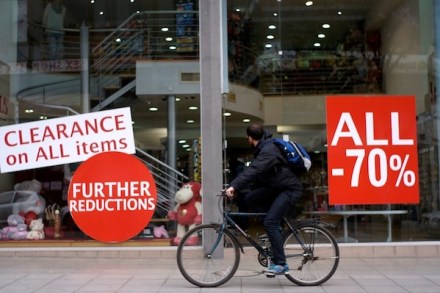
Downtown Nicosia has been closed, on and off, for more than a week. On the terraces of the upmarket coffee shops, the torches flicker and the disco music babbles. When the Cypriot government shut the banks, many retailers decided to close as well, so the mannequins stare each other out across semi-deserted streets. As the president tries to negotiate the final bailout in Brussels, I hunch over a cappuccino with a senior MP, who lists the country’s future options. They are limited: tourism, gas, financial services — though without a banking sector, that’s going to take some doing. As we talk, I realise the MP is also quizzing me: I am a veteran of four bailouts. The Cypriot government has had four weeks in office.

From bailout to bailout

From our UK edition

After covering the Spanish bailout, I fly from Madrid to Athens. In the taxi rank at Athens airport, iPhone wedged between ear and shoulder, I realise I have crossed both borders without showing my passport. Welcome to Schengenland — how long will it last? Reuters has just published a leak of EU contingency plans for a Greek exit: they involve suspending free movement under the Schengen Agreement, as well as imposing limits on ATM ­withdrawals and controls on cross-border movement of cash. Somebody texts me: ‘This is irresponsible — it could start a panic in Greece.’ But the Greeks are not flustered. Most of the hot money is long gone from the Greek system.

Greek Notebook

From our UK edition

At Athens airport, the digital noticeboard reads like the script of an agitprop play. ‘Strike, strike, strike, strike, strike,’ it announces, next to the destinations. ‘Due to the turmoil,’ says the PR person we’re talking to, ‘all the politicians you’ve flown in to interview have pulled out.’ My cameraman, driving the Audi, seems determined to break the world land-speed record between Athens and Patras, but is thwarted by the fact that the 21st-century motorway is blocked by a mudslide. This means travelling on the 20th-century road, which is really a 3rd-century bc road lined with concrete and graffiti. At Derveni, a strip of crumbling concrete villas, we find the one restaurant that is not closed.