Oliver Marre

Whither America?

From our UK edition

At the beginning of The Ask, Horace sits with Burke and proclaims that America is a ‘run down and demented pimp’. At the beginning of The Ask, Horace sits with Burke and proclaims that America is a ‘run down and demented pimp’. Horace is not Quintus Horatius Flac- cus; and Burke is not Edmund Burke. The two men are employees of the fundraising department of a mediocre university in New York, whose job is to approach the rich families of former students and solicit donations. This is, of course, a peculiarly American job, where the super-rich are relied upon to finance academe in exchange for favours bestowed on their offspring. At least, that’s the version of private college funding put across by Sam Lipsyte.

Love and vulgarity

From our UK edition

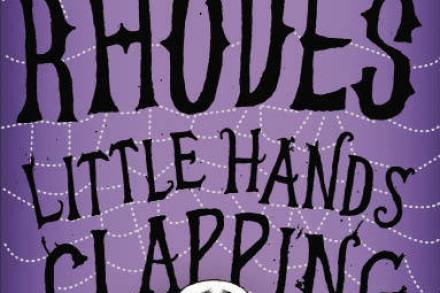
When I was about half way through Little Hands Clapping, Dan Rhodes’s fifth published book, I started a list of the innocent characters on whom fate and their author play nasty tricks. When I was about half way through Little Hands Clapping, Dan Rhodes’s fifth published book, I started a list of the innocent characters on whom fate and their author play nasty tricks. I thought of the decent doctor who marries a woman so beautiful and yet so unfaithful that it ruins his life; the two good-looking children who have eyes only for one another, until they discover that he is in fact the most beautiful man in the world and she looks quite ordinary; and the young man with a passion for opera whose rich, older wife transforms him into a Pavarotti lookalike.

Philosopher in transit

From our UK edition

The answer is Heathrow Airport’s newest terminal, as seen through the eyes of Alain de Botton, who agreed over the summer to become its first writer in residence. It was a brave task to take on; not only could the result have been very dull but de Botton could have felt bound to be nice. Instead he has produced a work which will do no harm to his reputation for thought-provoking reportage. This slim book is simultaneously poignant and terribly funny, thanks to de Botton’s knack of seeing the philosophical in the mundane and not being afraid to play up the incongruity. It is snobbish, too, but its targets are never the hardworking airport employees. Rather he aims his satire at pricking the bubbles of corporate grandiosity — and at himself.