Mikko Paunio

The world’s plastic recycling problem isn’t going away

From our UK edition

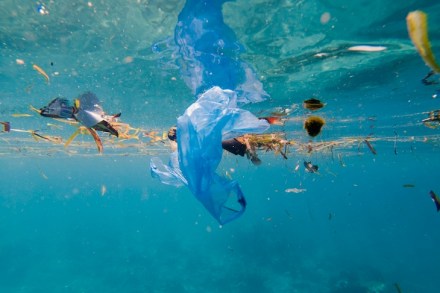
In 2015, the problem of marine litter climbed to the very top of the list of global environmental problems after a landmark study suggested that there are 100 million tonnes of plastic in the oceans. Regrettably, the study overlooked the share of the blame that can be put on the recycling industry, which has exported 106 million tonnes of plastic waste to China over the past 20 years or more. A significant proportion of this is thought to have ended up in the oceans. Last June, I sounded the alarm about the impact of recycling on marine pollution and revealed how unscrupulous operators were making the situation worse. Soon afterward, the UK audit office came to similar conclusions and the media started to give the issue some attention.
The green lobby’s energy obsession is harming the world’s poorest

From our UK edition

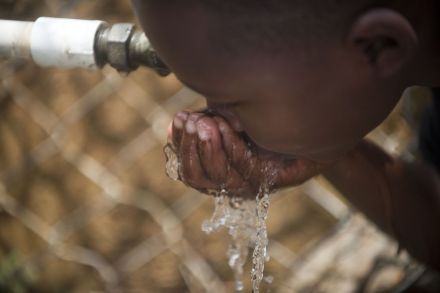
Access to an abundance of clean water has been pivotal for the public health miracle that has taken place in rich countries. The western world's water supply infrastructures enables people to get the water they need to stay healthy, and has undoubtedly played a big role in life expectancy shooting up in the last century. But in the developing world, adequate water supply has completely fallen off the agenda. Instead, environmental health for poorer countries has come to mean only provision of some clean drinking water and latrines. But the copious supplies of clean water that allow hygienic conditions – and therefore public health – to be maintained are no longer seen as a priority for the world's poorest. The reason?