Mike Daunt

Save our eels

From our UK edition

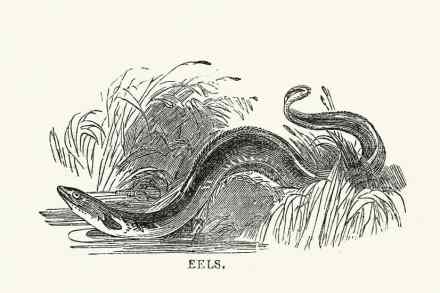
The migration of European eels is one of the miracles of nature. They start life in the great deeps of the Sargasso sea in the north-west of the Atlantic ocean as tiny, flat creatures, like almost transparent willow leaves, which drift 3,700 miles on the Gulf Stream to Britain and mainland Europe. The journey can take more than three years. When they approach Europe they make their first metamorphosis into ‘glass eels’: thin rods, shorter than a finger, which are also virtually transparent. These in turn have their own metamorphosis into elvers, which are essentially tiny eels. They swim upstream, close to the bank to avoid the river’s current, and slowly change into ‘yellow eels’.
The cruelty and cunning of the cuckoo

From our UK edition

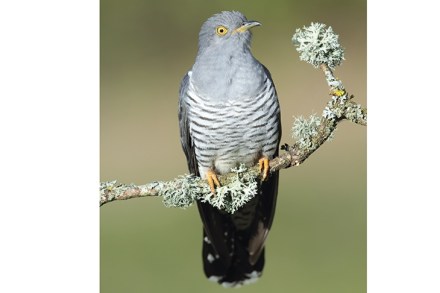
St Tiburtius’ Day, on 14 April, is traditionally when you will hear the first cuckoo. Since at least the Middle Ages, cuckoos have been seen as heralds of spring. They are also often associated with romance, and yet they are some of the cruellest birds found in Britain. The adults arrive in this country at the end of March or the beginning of April and depart in late July or August. They return to central Africa and fly, either via Italy, resting near the River Po and continuing over the Sahara, or stopping in Spain before entering Africa from the far western end. They live mainly in and around the Congo rainforest and in similar habitats as far south as Angola. They come to Britain merely to mate.

Upstream struggle: we are running out of time to save Britain’s salmon

From our UK edition

In October 1987, Hugh Falkus, the most famous name in salmon fishing, and I, with three other friends, caught 124 wild salmon in a week’s fishing on the Junction Pool of the River Tweed. This included several fish over 20lb. Today, you would be lucky to catch a tenth of that number, and there would be no big fish among them. In the 1980s there were approximately nine million salmon swimming in the Atlantic. Now there are roughly two million. The situation has become so dire that earlier this month the chief executive of Fisheries Management Scotland announced that the future of salmon is now at a ‘crisis point’. What are the possible reasons for this tragic decline? The main problem, I believe, is simple: apathy.