Mihir Bose

Boris’s football socialism

From our UK edition

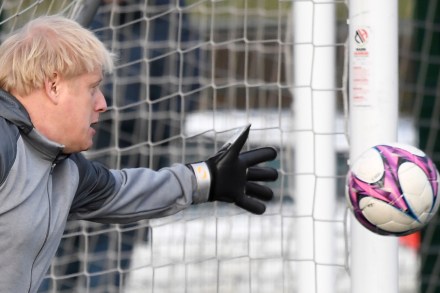
It was once my job to brief Boris on football. Then he was very much a free marketeer, now it is amazing to see that he wants to play the socialist sports lord, a task that defeated Tony Blair. The briefing took place on a Sunday afternoon in September 1998 when news emerged that Manchester United’s directors were planning to sell the club to Rupert Murdoch’s BSkyB. Boris had decided to devote his column to it. His problem was he did not know anything about the deal, or for that matter much about English football, and as the chief sports news correspondent for the Daily Telegraph, he rang me to be sure of his facts. He was intrigued as to why the Manchester United fans were so hostile to the bid. Would it not, he asked me, bring in a lot of money for the club?
Can the Tories win back the Indian vote from Labour?

From our UK edition

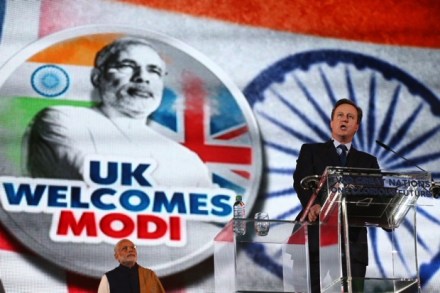
Nearly 50 years ago, soon after I first came to this country, my landlady, upset I was reading the Guardian and not her favourite newspaper the Daily Telegraph, said, 'You must not believe Labour propaganda that they gave India freedom. Churchill would have done the same had he won the 1945 election.' Had my landlady been alive and witnessed how Narendra Modi has been received by David Cameron, culminating in yesterday’s love fest at Wembley, she would have required little convincing that her beloved party is no longer a pariah for Indians in this country.

The deflating world of English football

From our UK edition

The Premier League has never been more popular — globally as well as at home, says Mihir Bose. But the explosion of money is pushing clubs into insolvency — and squeezing British players out As a global brand, English football has never been more powerful. The Premier League crosses all cultural barriers and has devotees in every corner of the world. Fans in Singapore, for instance, even change their sleeping patterns to keep up: on match days, they go to bed early evening and get up at 3 a.m. to watch live broadcasts. It is hard to think of anything else this country produces that has such reach. No matter how England’s national team fares in the World Cup this year, England’s football industry reigns supreme in the world’s favourite sport.

England’s botched bid to stage the 2018 World Cup

From our UK edition

To understand how World Cup bids are won, let me take you to the third-floor suite of Dolder Grand hotel overlooking Lake Zurich. The date is May 2004 and the cast as high-powered as you would expect in any political summit. There was Thabo Mbeki, then president of South Africa, and Nelson Mandela, his predecessor. They had come to meet Jack Warner, the Trinidadian vice-president of FIFA — the organisation which controls world football. Warner had been sympathetic to South Africa’s bid for the 2010 World Cup, but had suddenly turned cold — refusing to return any calls to Cape Town. So the South Africans had come to see him. Mandela, of course, was South Africa’s trump card.