Michael Holroyd

The many lives of Frank Harris

Does anyone today know who Frank Harris was? Are his novels and biographies read at all now? A hundred years ago he was acknowledged ‘by all great men of letters of his time to be . . . greater than his contemporaries because he is a master of life’, or so wrote the critic John Middleton Murry. George Meredith likened his novels to Balzac’s, and Bernard Shaw his short stories to Maupassant’s – high praise which was somewhat deflated by the discovery that one story had actually been lifted from Stendhal. But no one would have been more astonished at his disappearance as a great man of letters than Frank Harris himself. ‘Christ goes deeper than I do,’ he explained, ‘but I have had wider experience.
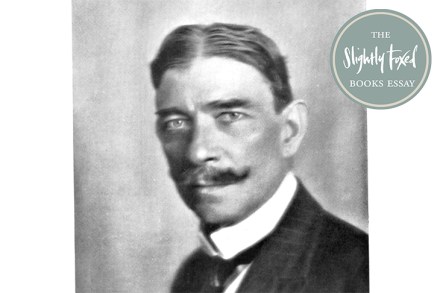
frank harris

My father threatened to sue me for my first novel

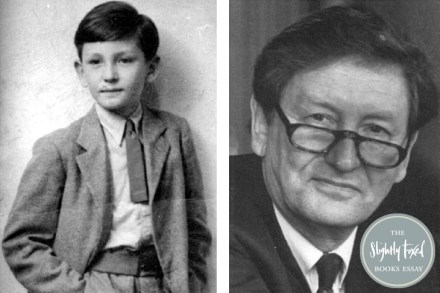
My first novel, A Dog’s Life, was largely autobiographical. It described my grandparents’ life, my parents’ marital exploits, and my own limping attempts to become a writer. But since I seemed unable to harness these first two subjects to the advancement of the third. Then I suddenly saw how I might carve out the first quarter of this spacious family saga and make it a self-contained novella covering 24 hours of family life. Heinemann offered me an advance on royalties of £500, which was ten times what they had given me for my biography of Lytton Strachey. Roland Gant did not wish to publish A Dog’s Life until the two Strachey volumes were out of the way.

michael holroyd novel

Controversial confessions

From our UK edition

Stephen Grosz is a psychoanalyst who has worked in the United States and Britain. Over his career he has been ‘sitting with patients for thousands of hours,’ he writes. Occasionally he has used his notes and observations for addresses at clinical seminars or for contributions to psycho-analytical journals. But this is the first time he has consulted his files in order to publish a book for the general reader. ‘This book is about change,’ he tells us. Naturally his troubled patients are seeking change, though they sometimes shield themselves from his professional intrusiveness. There is the risk, too, of change being for the worse — for the consultant as well as for the patient. These sessions are a learning process for both of them.