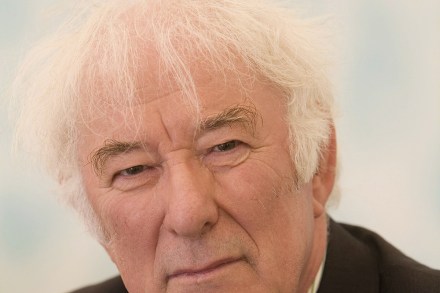
Things still seem oddly disorientating without Seamus Heaney
From our UK edition
Whether you went with the two big rugby goalposts, those opposing H’s of Heaney and Hughes, or with Blake Morrison’s quondam super league of world English (or sometimes airport) poets, Brodsky, Walcott, Murray and Heaney, Heaney loomed amiably in the poetry landscape of the late 20th century. I knew him a little and liked him a lot. Enough now to appreciate that there was something endlessly consoling about being alive at the same time as an incontestably – or only rarely, foolishly contested – great, canonical poet, someone you might occasionally meet or, more regularly, see new poems or new books by; and something correspondingly harrowing and disorientating about this same poet no longer being alive. A geographical feature has been taken away, a hill, a forest, a river.