Michael Gove

Michael Gove

Michael Gove is editor of The Spectator.

Keir Starmer has surrendered to Ed Miliband – and we are all paying the price

Labour MPs who want Wes Streeting to be their leader have, apparently, one great fear. If their man triggers a contest, they are terrified it will lead to Ed Miliband entering the race to stop the Health Secretary – and coming out top. A Miliband premiership would, they worry, be the death of Labour. I’ve got news for them: we are already governed by Ed Miliband. This is now his administration. And they, and the rest of us, had better get used to it. Keir Starmer is no longer really in charge of this government – if he ever really was. He is Prime Minister in name only. His foreign policy, at this time of war, is Ed Miliband’s. His economic policy, Ed Miliband’s. His Chancellor, his political positioning, his very quest for meaning. All. Ed. Miliband.

What’s the point of Keir Starmer? – and the Lords vs the Commons

From our UK edition

42 min listen

This week: the stark question of Keir Starmer’s leadership. After a bruising week in Westminster – from fresh revelations about the Mandelson appointment to renewed scrutiny of the Prime Minister’s governing style – they debate whether Starmer’s cautious, process-driven approach is becoming a political liability. Will Labour move to replace him? Also on the podcast: the House of Lords, as peers prepare to scrutinise two of the most morally charged issues in politics: assisted dying and proposals to decriminalise abortion up to birth. With the Commons accused of rushing through profound legislative changes with limited debate, they ask whether the Lords is performing an essential constitutional role – or defying democratic authority.

Q&A: Should Starmer go left or right? – and Thimothée Chalemet’s tragédie en musique

From our UK edition

30 min listen

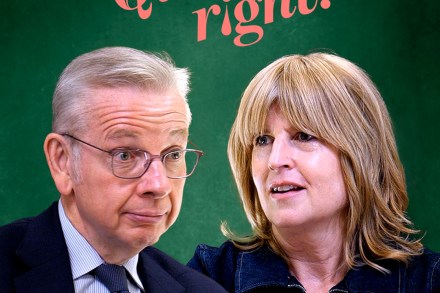
To submit your urgent questions to Michael and Maddie, visit spectator.com/quiteright. In this week’s Q&A, Michael and Maddie discuss whether Keir Starmer faces a deeper political dilemma: should the Labour party tack left to shore up its base, or move to the centre to win over voters uneasy about the party’s economic direction? Also this week: are Britain’s closest allies being taken for granted? From Canada and Australia to New Zealand, they consider whether the UK has neglected some of its most dependable international partners while chasing influence elsewhere. And finally, they turn to culture and ask why institutions like opera and ballet so often struggle to justify their place in modern public life.

Is Britain still a great power? – and why Ed Miliband should go

From our UK edition

42 min listen

This week: Michael and Maddie discuss the escalating crisis in the Middle East and ask a bigger question about Britain’s place in the world – is the UK still a great power, or has the conflict exposed just how limited our influence has become? They debate whether Britain has any real choice but to follow America in foreign policy, what the war reveals about the country’s diminished military capabilities, and whether Westminster is finally confronting the reality of Britain’s global position. Also on the podcast, they examine the growing backlash against Ed Miliband’s energy agenda.

Q&A: Has the Equality Act created a ‘hierarchy of victimhood’?

From our UK edition

35 min listen

To submit your urgent questions to Michael and Maddie, visit spectator.com/quiteright. In this week’s Q&A, Michael and Maddie ask whether Britain is driving its young and ambitious abroad. As more professionals head to places like Dubai in search of opportunity, they debate whether the real problem lies not with those who leave, but with the conditions pushing them out. Why do so many talented Britons feel they cannot build a future at home – and what does that say about the state of the country? Also this week: should the Equality Act be scrapped altogether? In light of Suella Braverman’s pledge to repeal it, they consider whether the law has drifted far beyond its original purpose. And finally, they discuss which right-wing leaders around the world they admire.

Iran: Trump has a plan — does Starmer? Plus the Spring Statement fallout

From our UK edition

40 min listen

This week: Michael and Maddie debate the escalating crisis in Iran and ask whether Donald Trump truly has a strategy – and whether Keir Starmer has one at all. They examine what Trump’s strikes are meant to achieve, whether regime change in Tehran is the real objective and why parts of the American right are uneasy about Israel’s influence over US foreign policy. Turning to Westminster, they assess Britain’s response. Has Starmer struck the right balance between caution and credibility – or has the crisis exposed the limits of Britain’s military strength and global influence? Finally, they review Rachel Reeves’s Spring Statement.

‘MPs are just not good enough’ – Munira Mirza on Boris, Starmer and Britain’s leadership crisis | part two

From our UK edition

42 min listen

This is the second part of Michael Gove’s conversation with Munira Mirza. After reflecting in part one on multiculturalism and the fractures in modern Britain, this second instalment turns to the question of leadership, and the lessons both Boris and Starmer should learn. Munira reflects on Boris Johnson’s premiership, describing him as ‘a better man than many of his detractors would admit’ but acknowledging his foibles and lack of decisiveness at critical moments. Was he a good Prime Minister? They go on to debate whether the wiring of the British state – from the Human Rights Act to the Equality Act – has made effective government harder, and whether Reform are right to call for repeal of both of these pieces of legislation.

‘MPs are just not good enough’ – Munira Mirza on Boris, Starmer and the need for leadership | part two

‘This is as scandalous as the grooming gangs’ – Munira Mirza | part one

From our UK edition

42 min listen

This week, Michael is joined by Munira Mirza. Raised in Oldham and educated at Oxford, Munira worked at Policy Exchange before serving as Deputy Mayor of London under Boris Johnson and later as Director of the No.10 Policy Unit, where she helped shape the Conservatives’ 2019 election manifesto. She now leads Civic Future and the think tank Fix Britain. In the first of this two-part interview, Munira reflects on Labour’s vulnerability in the upcoming Gorton and Denton by-election, and the ‘serious threat’ it faces if the Muslim votes flees to the Greens. She discusses the politicisation of religious identity, the influence of Islamism in Britain, and what she sees as a failure of public authorities to confront hard truths.

‘This is as scandalous as the grooming gangs’ – Munira Mirza | Part one

Reform’s succession plan – and should Palestine Action be banned?

From our UK edition

53 min listen

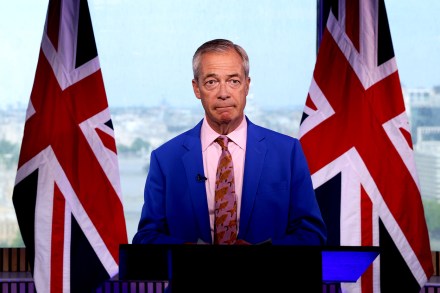
This week, Michael and Maddie consider Reform UK's succession plan. With Nigel Farage unveiling his new shadow cabinet, attention shifts to the bigger question: who comes after him? Is Reform preparing for life beyond its founder – and if so, who stands ready to inherit the crown? Also this week, they examine the fallout from the court’s decision to overturn the government’s attempt to proscribe Palestine Action – and ask what it means for free speech, public order and the limits of the state. They explore whether Britain is drifting toward a de facto blasphemy law, and debate claims of ‘two-tier justice’ in the handling of extremist activism. Has the government lost control of the argument — or is it simply constrained by the courts? Produced by Oscar Edmondson.

Nigel Farage unveils his shadow cabinet

Q&A: Should Britain abolish the monarchy?

From our UK edition

27 min listen

To submit your urgent questions to Michael and Maddie, visit spectator.com/quiteright. In this week’s Q&A, Michael and Maddie ask whether Britain should abolish the monarchy. In the wake of fresh controversy surrounding members of the royal family, they debate whether scrapping the institution would be a long-overdue democratic correction – or a profound strategic mistake. Is the Crown an outdated relic, or one of Britain’s greatest diplomatic assets? Also this week: with Labour MP Dan Norris facing charges, could North East Somerset be heading for a by-election – and might Jacob Rees-Mogg stage a dramatic return to parliament? Would Reform stand aside, or is the right now locked in a battle for survival?

Labour crisis: ‘Starmer is more like Boris than people admit’

From our UK edition

45 min listen

This week: Michael and Maddie examine the crisis engulfing the Labour party and ask whether Keir Starmer is facing a Boris-style collapse of authority. They explore what could be to come in the continued fallout from the Peter Mandelson affair, the rebellion over the release of government files, and what Starmer’s pattern of scapegoating aides reveals about his grip on power. Is this a corruption scandal – or something more damaging: a failure of judgment? Finally, they look ahead to what comes next. If Starmer’s authority is ebbing, who could replace him? From Angela Rayner to Wes Streeting – and the outsiders hovering on the edge – will internal revolt mark the beginning of a wider realignment in British politics? Produced by Oscar Edmondson.

Q&A: Is Rishi Sunak English – or British?

From our UK edition

25 min listen

To submit your urgent questions to Michael and Maddie, visit spectator.com/quiteright. In this week’s Q&A, Michael and Maddie unpack the controversy over whether Rishi Sunak is English or British – and why a debate about national identity has become so politically charged. Is Englishness a civic identity, an ethnic one, or something more elusive? And why has the Labour party increasingly reached for accusations of racism when the question is raised at all? Also this week: are claims that Britain is drifting towards civil unrest alarmist scaremongering – or a warning we should take seriously?

Mandelson scandal: ‘from tawdry friendship to something sinister’

From our UK edition

46 min listen

This week: Michael and Maddie examine the fallout from the Epstein files and ask how a story of questionable judgment became a far more serious test of trust at the top of British politics. As new revelations emerge about Peter Mandelson’s links to Jeffrey Epstein, has a tawdry association escalated into a question of the national interest? And what does the affair reveal about Keir Starmer’s judgment – and the risks of relying on political experience over proper scrutiny? Then: the growing generational backlash over student loans. With graduate repayment thresholds frozen and interest rates soaring, are younger voters being systematically squeezed to prop up an unsustainable system? Finally: the countryside culture war.

Q&A: Why Rwanda failed – and were the Tories serious about migration?

From our UK edition

28 min listen

To submit your urgent questions to Michael and Maddie, visit spectator.com/quiteright. In this week’s Q&A: Michael and Maddie tackle Labour’s uneasy majority and ask why a government with a 174-seat majority already looks so skittish. Are backbench rebellions a sign of weakness – or a rational response from MPs who expect to be out in one term? Does Keir Starmer lack the political instincts needed to hold such a sprawling parliamentary party together? Also this week: could the Rwanda scheme ever have saved the Conservatives? Michael lifts the lid on why the plan stalled – from internal resistance within the state to the limits of last-minute delivery – and explains why even a symbolic flight would not have reversed Tory defeat.

The guilty men: the ideologues who undermine Britain

From our UK edition

When Britain handed Hong Kong over to China in 1997, Tony Blair was in melancholic mood. The newly elected prime minister turned to his aides Alastair Campbell and Jonathan Powell and mused: ‘We shouldn’t lose any more territory. Britain needs to be big. Look at a map. Britain is so small.’ Nearly 30 years later, Britain is shrinking further. Blair may offer advice to his successors in private – Campbell does so in public – but the only one of the trio exercising real power now is Jonathan Powell. He is the Starmer government’s national security adviser – the single most influential actor in British foreign policy. And he’s the architect of the debacle which has come to symbolise everything wrong about that policy: our surrender of the Chagos Islands.

Is it nearly over for Keir Starmer? – and Reform’s next defector revealed

From our UK edition

45 min listen

This week: Michael and Maddie ask whether Keir Starmer’s grip on the Labour party is beginning to slip. After the party machine moved to block Andy Burnham from returning to Westminster, is Starmer governing from a position of strength – or fear? Does the decision expose a deeper crisis of authority at the top of the Labour party, and are we entering the early stages of a succession battle over who comes next? Then: Suella Braverman’s long-anticipated defection to Reform UK. Was her exit inevitable, and what does it mean for the balance of forces on the right?

Reasons to be optimistic | with Michael Gove, Tim Stanley, Steve Baker & David Goodhart

From our UK edition

40 min listen

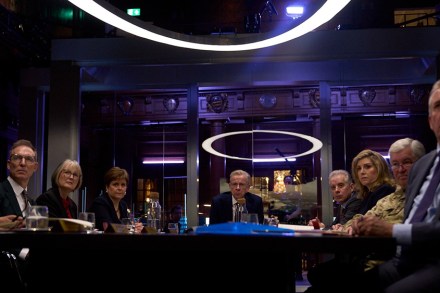
Post-holiday depression, failed New Year’s resolutions and battered bank balances: January’s Blue Monday has long been branded as the most miserable day of the year. Headlines warn of ongoing war, political turmoil and economic gloom – but could they be mistaken? Join The Spectator and special guests as they defy the doomsters to deliver an optimist’s guide to 2026. Almost three-quarters of people worldwide believe that this year will be better than the last. Are they right?

Debate: is Britain really broken?

From our UK edition

34 min listen

On this week’s Q&A: Michael and Maddie ask the question dividing the British right: is Britain really broken? As ‘Broken Britain’ rhetoric surges on the right, they debate whether it clarifies the country’s problems or corrodes national confidence. Should we trust those who stand to benefit from a declinist narrative? And is Nigel Farage too much of an English nationalist and nostalgist? Also this week: from national decline to family drama. Why has the Brooklyn Beckham fallout gripped the country, and what does it reveal about celebrity, commodified family life and the price of fame? Is this a modern King Lear – or just an overgrown child who needs to grow up? To submit your urgent questions to Michael and Maddie, visit spectator.co.uk/quiteright.

The death of the special relationship – and was Jenrick right to leave the Tories?

From our UK edition

45 min listen

This week: Michael and Maddie ask whether the so-called special relationship between Britain and the United States has finally reached breaking point. As Donald Trump’s threats over Greenland and his reversal on the Chagos Islands unsettle allies, has the British right begun to turn decisively against him? Was the special relationship ever more than a comforting myth – and what does a more erratic, transactional America mean for Britain’s security, sovereignty and strategic future? Then: Robert Jenrick’s dramatic defection to Reform UK. Was his exit from the Conservatives a naked career move, or a genuine ideological break forged by failure on migration and borders?

What does loyalty mean in politics?

From our UK edition

For David Cameron, there were two types of politician. Team players. Or tossers. Although he preferred a slightly saltier description for the latter type. For a year I was the member of his team whose principal job was tosser-hunter. As government chief whip between 2014 and 2015 I was responsible for maintaining parliamentary discipline, unity and cohesion. I wasn’t a roaring success. I was in a swimming pool on holiday in France when the news broke that our Clacton MP Douglas Carswell had defected to Nigel Farage’s Ukip. Far from proving a George Smiley whose formidable intelligence skills had smoked out a double agent, I was proving to be more of a Mr Barrowclough from Porridge, the prison warder easily outwitted by the lags I was supposed to be supervising.