Michael Fotis

Michael Fotis is an entrepreneur and financial commentator

How Starling beat Monzo to profitability

From our UK edition

The last twelve months have been rather good for Starling Bank. While its flashier rivals have struggled during COVID-19, Starling is now profitable, one of just a handful of FinTechs to achieve this feat. It has also strengthened its claim to be Britain’s best bank, having topped Which?’s latest best and worst banks list. But Starling now finds itself at a crossroads. What path will it take? And can it keep its edge? Anne Boden, Starling’s enigmatic CEO & founder, has talked about wanting to float her bank, but it’s also clear that Starling is on the shopping list of some financial goliaths. Both Lloyds Banking Group, the UK’s biggest bank, and JP Morgan, which is set to launch a digital bank in the UK this year, have been rumoured buyers.
Has Monzo lost its mojo?

From our UK edition

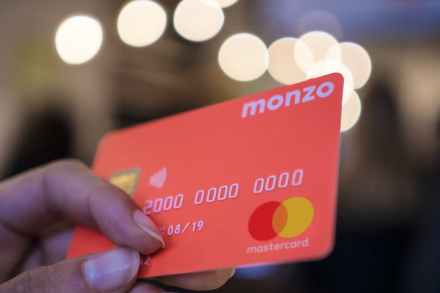
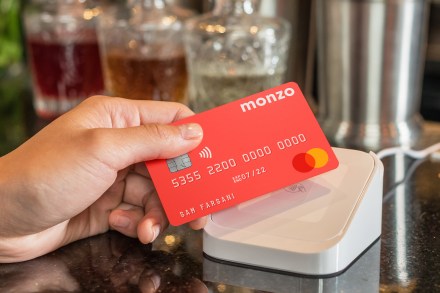
Not so long ago Monzo could do no wrong. Its hot coral debit card made it a must have accessory for urban millennials and it quickly attracted millions of customers. But the golden child of UK Financial Technology (FinTech) has had a bruising year. Is it experiencing the kind of growing pains we should expect after such a meteoric rise? Or has this banking unicorn transformed into a lame donkey? Having never turned a profit, Monzo now faces questions about its future direction; its annual report released in July really set alarm bells ringing. Amid the COVID-19 pandemic, its primary source of revenue - a 0.

Is mobile banking app Monzo too good to be true?

From our UK edition

Innovative, transparent, simple, easy, fair, open, helpful, honest, smart and caring. These are the top ten words customers use when describing Monzo’s culture on Smart Money People. It comes as little wonder then that since launching in 2015, Monzo has picked-up some two million current account customers, is valued at two billion pounds, and now has its sights set on cracking America. Young Brits have flocked to Monzo, and its bright coral card, in their droves, because carrying around a Monzo card is cool.

Beware of financial products described as ‘innovative’ or frictionless

From our UK edition

Over the last few years a steady stream of new financial firms have launched products and services meant to make our lives a little bit easier. Often described as innovative or frictionless, some of these products could improve our financial health, while others look set to deliver a dose of pain. And as more innovative and frictionless products and services come to market, there’s one word that we don’t tend to hear so much about: wisdom. Financial firms have been busy removing friction from their processes in order to make things easier, but when it comes to themes like consumer credit or pension freedom, is this always a good thing? And should the use of the word ‘innovative’ in a product description ever limit proper scrutiny?

Will the rise of veganism turn us into a nation of current account switchers?

From our UK edition

We’re meant to be a nation of pioneers. Back in the seventeenth century we set sail in search of exotic bounty. This was a time when most people still believed that the earth was flat, and if you sailed too far, you’d simply fall off the edge. But as we  set sail into even choppier Brexit waters, a riddle remains at the heart of the banking industry: Why aren’t more of us prepared to switch current accounts? Over the last few years it’s been hammered home that switching is easy. The Current Account Switch Guarantee, run by Bacs, claims to make it simple, reliable and stress-free. It’s even available for most businesses banking accounts, and yet us Brits are proving rather hard to dislodge from our high street banks.