Michael Fallon

Britain is bringing quality, not quantity, to the fight against Islamic State

From our UK edition

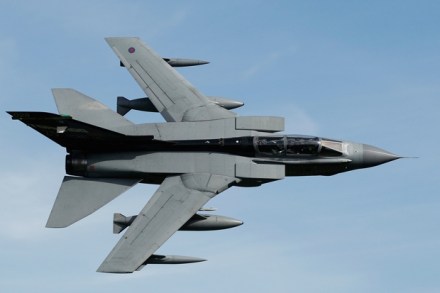
Contrary to what Fraser Nelson argues, Britain is playing a major role in the military campaign against ISIL. Our planes have been flying day and night, conducting 8 per cent of the strikes in Iraq rather than 5 per cent. But this isn’t a numbers game – the UK brings a qualitative edge. The skill of our RAF pilots and the capability of our aircraft means the UK can conduct the most complex strikes – what is known as dynamic targeting. This typically means responding to an Iraqi unit engaged in combat with ISIL and in need of immediate air support as we did last week to help recapture Sinjar. We also have the Brimstone missile – a low collateral damage, precision weapon that even the US do not possess.
Badly-prepared Britain

From our UK edition

Dull, dull, hopelessly dull.  This is a Chancellor who dithered over Northern Rock, dithered over capital gains tax, and now can't even decide whether the plastic bags levy should be voluntary or compulsory.   Drinkers, motorists, small businesses will all pay more tax because Labour has failed to control spending and borrowing in the good years.  Now they admit that the budget will remain in deficit until 2011, five years later than planned.   Britain is badly prepared for the coming slow-down.

Budget 2008: Brown’s wasted years

From our UK edition

Five years ago, Gordon Brown’s 2003 Budget forecast that the current budget would now be in surplus by £9 billion.  That might have allowed the new Chancellor to cut taxes for the lowest-paid, or to invest more money in our third world infrastructure. In fact, the budget never got into surplus at all.  Brown conceded a year ago that the deficit this March would be £4 billion.  In October Alistair Darling increased that to £8.3 billion.  The City fears it will turn out even higher. The good years have been wasted.  The budget is now forecast to reach surplus by 2010, four years later than originally planned.  Overall debt today is £541 billion, £69 billion higher than planned five years ago.