Michael Duggan

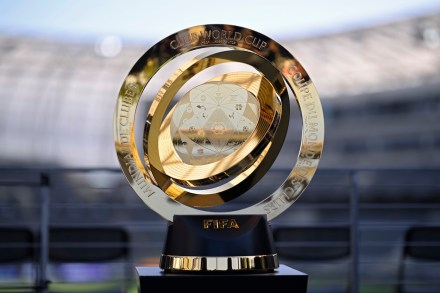
Why are sports trophies so ugly?

From our UK edition

There is a short video on the internet in which the late football commentator Hugh Johns reminisces about what the game had in the 1970s that made it great. He starts making a list – ‘skill, entertainment, cut-throat football’ – and then pauses for a disparaging comment about what came after. The disparagement is mild, though; this is a genial, nostalgic soliloquy, not a rant. Then the list, delivered in a soft Welsh accent, restarts: ‘There were characters, there were elegant players, and there was fun.’ Everything you could want, as far as Hugh Johns was concerned. Johns died in 2007, but I can’t imagine there have been any developments in football since then that would have caused him to knock the Seventies off the perch he built for them.
What has Netflix got against Ireland?

From our UK edition

Early in the first episode of Holding, an adaptation of Graham Norton’s novel of the same name, a young, ambitious, foul-tempered detective is called to a village in west Cork where human remains have been found. Before handing the investigation over and returning to the city, she spits out her contempt: ‘I’m not spending weeks down here in the arse end of nowhere.’ Similarly, in the first episode of Bodkin, a Netflix series released last year, a young, ambitious foul-tempered journalist is sent to investigate decades-old disappearances in the same region and forced to team up with an American podcaster and his researcher. ‘I’m stuck consulting on a true-crime podcast in the arse end of nowhere,’ she declares.

The lost art of the football punch-up

From our UK edition

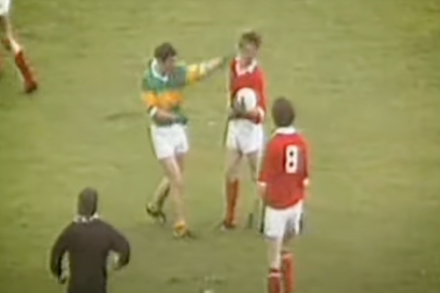
Fifty-five years ago, in a match at Highbury Stadium, the Leeds United goalkeeper Gary Sprake punched Arsenal midfielder Bobby Gould hard in the face. Gould had jumped to try and meet a cross with his head. As he was returning to earth in a kind of pirouette, he swung his right heel back in the direction of Sprake, jabbing his studs into his opponent’s ribcage. Crafty. Nasty. Sprake then took his revenge, laying out Gould with a left hook. In these incidents, some kind of masculine code of honour kicked in What happened next is a 90 second lesson in older forms of masculinity and an older form of football. As Gould is crashing to the floor post-punch, one of the Leeds players – Paul Madeley, I think – half-catches him in his arms, rather daintily breaking his fall.

JFK’s assassination and the landscape of loss

From our UK edition

It has become a commonplace to observe that, 60 years ago, when President John F. Kennedy was assassinated in Dealey Plaza, Dallas, America lost its innocence – or at least the myth of its innocence. Certainly, the event has left a stubborn impression on history and culture; something to do with the power, grandeur and grubbiness of US politics, with Vietnam, civil rights and the sixties. But I have always sensed that there was something else; something that also formed part of the loss-of-innocence narrative somehow. I have finally realised what it is. It is Dealey Plaza itself.

Coach, politician and agony aunt

From our UK edition

When I picked this book up, I already loved it — or at least I loved the idea of it: heroic sporting underdogs, a new coach with nothing in common with his players, and the forging of an indestructible bond of comradeship, all topped off by success on the world stage. But I felt trepidation too. Books about sporting greatness often descend into a gruelling slog through humdrum match reportage, reheated banter and details of contract negotiations, game plans, diet plans and training. I needn’t have worried. In this account of three years in charge of the Fiji sevens rugby squad, Ben Ryan and his writing collaborator Tom Fordyce get the mix just right.