Matt Kilcoyne

Matt Kilcoyne is the deputy director of the Adam Smith Institute.

Why Edinburgh’s Adam Smith statue should stay

From our UK edition

In the wake of the Black Lives Matters protests last year, Edinburgh Council announced the creation of the 'Slavery and Colonialism Legacy Review Group'. Headed by Sir Geoff Palmer — an academic and human rights activist — the group is looking at all public memorials on council land that ‘perpetuated racism and oppression’ with the option of ‘removal or re-interpretation’ for problematic monuments. The grave of Adam Smith, as well as a statue dedicated to the Enlightenment thinker, have both been identified by the review due to a passage in which Smith, according to the body, ‘argued that slavery was ubiquitous and inevitable but that it was not as profitable as free labour.

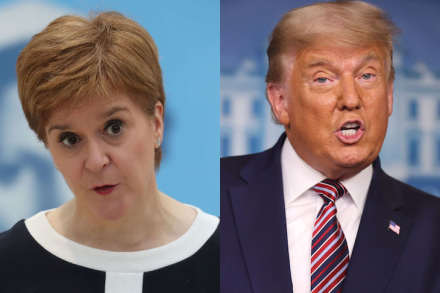
Nicola Sturgeon is not so different to Donald Trump

From our UK edition

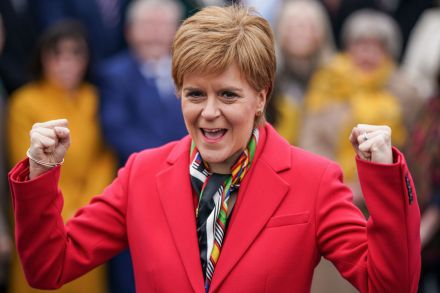
Nicola Sturgeon sank to a new low this morning. The SNP leader bizarrely seemed to compare opposing a second independence referendum in Scotland to Trump refusing to concede the US election. https://twitter.com/NicolaSturgeon/status/1324622924813393920?ref_src=twsrc%5Etfw This is, of course, the same SNP leader who still refuses to accept the SNP’s 2014 referendum loss – a referendum her party claimed would be a ‘once in a generation’ vote. Perhaps Sturgeon should take a long hard look in the mirror before claiming that ‘politicians who rage against democracy don’t prevail’.

Jamie Oliver and the mad ad ban

From our UK edition

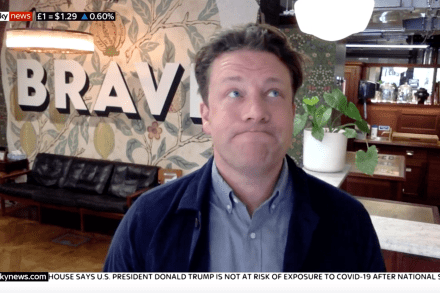
There have been a great many political betrayals of late, but there is nothing worse than seeing the government propose a policy that makes Jamie Oliver this happy. The celebrity chef’s face lit up when he appeared on Sky and Channel 4 News this week, as he relished the fact that the government is going to ban all adverts for anything considered to be high-fat, high-salt, and high-sugar on TV before 9pm and online. Jamie Oliver told Channel 4 News’ Jon Snow that ‘the cost of ill-health in society... is an economic conversation. Having a fitter, healthier, more agile Britain is absolutely more profitable.’ Oliver is certainly one to talk about profitability. In May last year, 22 of his restaurants closed, with the loss of 1,000 jobs.

Our Easter lamb reveals the miracle of free trade

From our UK edition

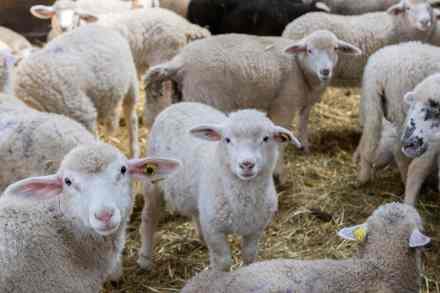
Easter is heavily associated with lamb in Britain. The paschal lamb's sacrifice is a gift to all but that is not the only link, the last few weeks of lent also mark the beginning of the spring lambing season in agricultural communities. This has fed through in recent decades to the consumer. This Sunday, while the churches stand empty and a great many of us are separated from our family, millions of us nonetheless will sit down to a meal of lamb. If you live in Britain though, this is actually quite an odd phenomenon when you think about it. Lamb is not really in season. New season lamb has only just been born.

Nicola Sturgeon has failed to learn a key lesson from Brexit

From our UK edition

Nicola Sturgeon is busy demanding a second referendum on whether Scotland should leave the UK. Boris Johnson should ignore her. And the last few years of British politics shows exactly why. If there is one lesson that Brexit has taught the country since the referendum, it is that if the public are to be asked questions of national importance, then the details ought to be properly spelled out beforehand. We now have an idea of what Brexit means: with the whole country leaving the EU’s single market and customs union, the end of the jurisdiction of the ECJ, but with Northern Ireland more closely aligned in areas of the economy with the Republic of Ireland than Great Britain in order to avoid a hard border. Nicola Sturgeon knows this.

Why I won’t miss Britain’s ‘chief nanny’ when she’s gone

From our UK edition

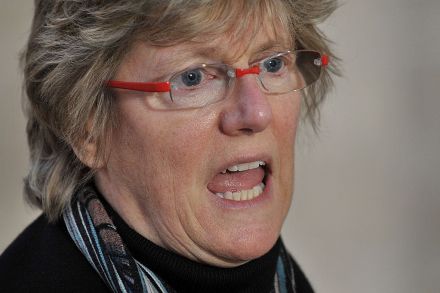
It’s time to say goodbye to Britain's so-called Chief Nanny, Dame Sally Davies. In her final report as Chief Medical Officer, Davies shows why she won't be missed. She proposes a ban on eating or drinking anything other than water on trains and buses. Davies also suggests that nothing fatty or sugary should be available to buy at certain sports stadiums. Goodbye matchday pies or a pint at the rugby. Dame Sally’s job is to focus on a narrow idea of health. But this remit is blind to a simple reality: most of us want to live a life that we think is worthwhile. Sometimes that means throwing caution and kale to the wind, downing that pint in the pub or sharing sugary popcorn with your kids. While Davies might scream ‘won’t somebody please think of the children?!

Boris’s campaign is a triumph

From our UK edition

Forget what you’ve been told about the Conservative leadership campaign. The Boris campaign's weekend meltdown has not lost him the election. And Jeremy Hunt has not suddenly leapt into the lead. This is still Boris’s election to lose and the odds are that he will almost certainly triumph. The reason is simple. Boris is following the tried-and-tested playbook of successful campaigns the world over. He is speaking plainly and to the right people. And he has a simple message that he repeats often, reassuring party members that he is the man to trust on the issue that they care about: Brexit. In recent weeks, Boris's campaign has changed dramatically. But this was a tactical shift and wasn't a sudden panic.

Remaining in the EU would come at a big price for Britain

From our UK edition

We're familiar with the warnings about the cost of Brexit. The 'People's Vote' campaign released an estimate yesterday suggesting that Theresa May's deal will leave the UK £100bn worse off a year. Tomorrow, the Treasury will unveil its forecasts of the economic impact of Brexit. But what about the price of staying put in the EU? Whatever those clamouring for a 'People's Vote' might claim, no Brexit does have a cost. Firstly, the price in terms of political capital will be significant. What does going back on the referendum result say to the 17.4million voters who voted Leave? What about the damage done to trust in our institutions and our politicians? Or to the idea that voters can change our country’s destiny by the power of their choices at the ballot box?

Remaining in the EU would come at a big price for Britain | 27 November 2018

From our UK edition

We're familiar with the warnings about the cost of Brexit. The 'People's Vote' campaign released an estimate yesterday suggesting that Theresa May's deal will leave the UK £100bn worse off a year. Tomorrow, the Treasury will unveil its forecasts of the economic impact of Brexit. But what about the price of staying put in the EU? Whatever those clamouring for a 'People's Vote' might claim, no Brexit does have a cost. Firstly, the price in terms of political capital will be significant. What does going back on the referendum result say to the 17.4million voters who voted Leave? What about the damage done to trust in our institutions and our politicians?