Martin Howe

Best of three

From our UK edition

With Boris Johnson finally in No. 10 we now have a prime minister who says he is committed to Britain leaving the EU on 31 October, deal or no deal. According to popular wisdom, the only way of avoiding the latter is for the government to negotiate a modified version of Theresa May’s deal, perhaps with the removal of the hated Irish backstop, or at least with a more easily digestible version. But these are not the only two options. As Boris hinted during his leadership campaign, only to be unfairly cut down, there is a third way. May’s deal is based on a withdrawal agreement (WA) negotiated under Article 50 of the Treaty on European Union.

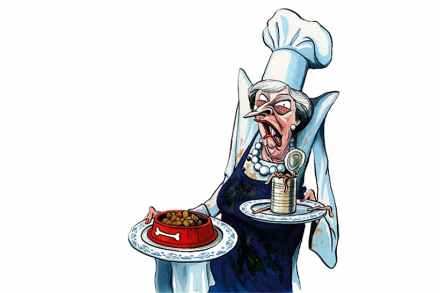
May’s deal: a legal verdict

From our UK edition

The most important point about the draft Brexit withdrawal agreement is that, once it is ratified, the United Kingdom will have no legal route out of it unless the EU agrees to let us out and replace it with another agreement. This makes it unique among trade treaties (including the EU’s), which always contain clauses allowing each party to withdraw on notice. Politicians who claim that this is just a bad treaty — one we can get out of later — are being ignorant or disingenuous. Halfway through the 585-page document, we find Art. 185, which states a Northern Ireland Protocol ‘shall apply as from the end of the transition period’. Once the Protocol is in force, the UK cannot leave it except by ‘joint’ decision of the UK and the EU.