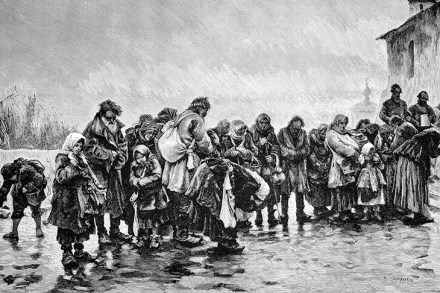
The criminal code of Rotwelsch deciphered
From our UK edition
When Martin Puchner was a child, tramps would turn up at his family home in Nuremberg to be fed by his mother. His father explained that they were drawn by a zinken (sign) associated with Rotwelsch, a language spoken by vagrants and criminals whose name is derived from two terms: Rot (beggar) and Welsch (incomprehensible). The zinken, a cross within a circle carved into the house’s foundation stone, told them that lechem (bread) could be had there. Rotwelsch became Puchner’s key to unlocking a cupboard of family skeletons. His grandfather, Karl, the director of the Bavarian State Archive, was one of many unrepentant Nazis who benefitted from the swift changes in the status quo that followed Germany’s defeat in 1945 and the new threat from Soviet Russia.