Lynne Bateson

No, I Don’t Want To Sponsor You

From our UK edition

The Metropolitan policeman who spent a week crawling the London Marathon wearing a gorilla costume captured my imagination and my admiration. When he crossed the finish line and beat his chest, I silently cheered. Tom Harrison, who goes by 'Mr Gorilla', swapped between crawling on his hands and knees and on his hands and feet to save his blistered knees. He raised some $50,000 for the Gorilla Organisation, which protects gorillas. It can’t have been fun. He earned every penny. I rarely feel that way about people who ask me to sponsor them for runs, walks, hikes, cycle races, and climbs. Why should I contribute to a charity not of my choosing so people can do something that they enjoy, or want to be incentivised to do?
Giving money to beggars does more harm than good

From our UK edition

I still feel bad about the beggar I ignored years ago. Fear of being mugged while fumbling for money has often kept me walking past beggars. But on that occasion I felt safe since I was with friends. Wimpishly, I took my cue from them. Later we compared notes - we’d all felt a strong urge to give. Some of us never give, others always do, and, some like me, agonise, summoning instinct to make snap decisions, then fretting we’ve made the wrong ones. Lately, I’ve been wondering if I should always walk on by, though reasons to give freely tug at my heartstrings. Contrary to urban myth, those asking for money usually don’t make rich pickings, as television presenter Jeremy Kyle has just found out.

Should we compare pay slips? The inequality of earnings

From our UK edition

The most open of folk, who spill saucy secrets about themselves, clam up when asked how much they earn. Revealing your salary, especially to colleagues, is taboo. Conventional wisdom says that knowing fellow workers’ salaries sows discord. I know first-hand how explosive it can be to learn what people you work with get paid. I’d been promoted to a senior management role where I needed to know everyone’s pay. On my first morning my new boss entered my office with an armful of employee files and told me to read them. Closing my door, he said he would return to take me to lunch with a bottle of red wine, which he added, I might need. The files made hard reading.

We need to examine our attitude to charity shop donations

From our UK edition

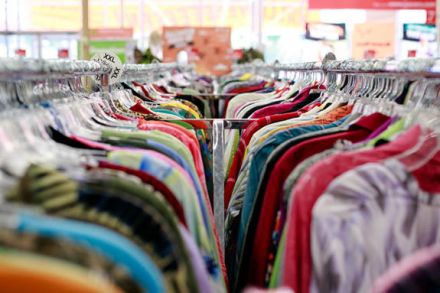
A well-heeled colleague once admired the Max Mara jacket I wore to work. Was it, she asked, from the latest collection? 'No,' I said. 'Oxfam.' She blurted out that she donated her casts-off to Oxfam. 'Next time, cut out the middleman and give them to me,' I replied. Charity shops help me to afford the quality clothes I lust after, especially Italian jackets. Once, in a gluttonous afternoon orgy, I 'did' 11 shops in the Stockbridge district of Edinburgh. I’d have done 12, but one was closed. They included a British Red Cross store dedicated to wedding attire - well, at least the brides’ dresses have only been used once, probably. Buying second-hand has become acceptable, even commendable.

The gender pensions gap is the last barrier to female equality

From our UK edition

Many women still suffer from a touch of the Cinderella complex. These days, few want men to sweep up the bills as well as sweeping them off their feet. But many women implicitly expect to rely on their men’s private pensions in retirement. 'My husband is good with money. I leave that stuff up to him', said the young woman at my hairdressers. I just managed to stop myself from giving her the full two barrels and screaming: 'No! Don’t put your future into someone else’s hands!' Despite women achieving equality in so many other ways, that is what more women are doing, according to the latest Scottish Widows’ Women and Retirement Report.

Safe as houses? The real cost of a home burglary

From our UK edition

My heart aches for the one in eight people so traumatised by a burglary that they move house, for they risk further emotional and financial pain. New research from Churchill Insurance paints a terrible picture of the aftermath of burglaries. People feel violated and vulnerable in a place they should feel most safe. Many can’t sleep. Some lose confidence in themselves, and can’t bear to be alone in the property. Some take medicine. A stranger has gone through their possessions, and they could have come face to face with them. Saying goodbye to sentimental items hurts more than the loss of expensive but replaceable stuff. Homes feel tainted or spoiled, especially if they were trashed.

Home-ownership is a healthy obsession, we just need to make it easier for people to buy

From our UK edition

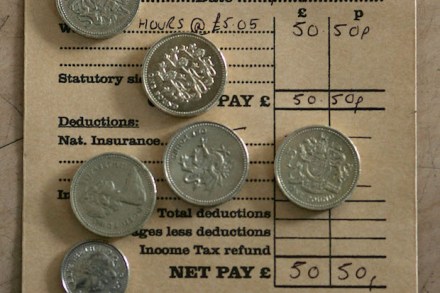
When I was a child a woman visited our home every Friday night. My mother gave her money fresh from my father’s pay packet and the woman, smiling, wrote in small neat handwriting in a little book. This was how my parents bought their modest terrace home in Leeds, West Yorkshire. They never had the income or acumen to get a mortgage. They bought their home in a private arrangement from well-off sisters, one of whom was this kindly woman calling for their dues. My parents were hand-to-mouth poor, but they felt better off than people in council houses living under the Town Hall diktat. At least they could paint their front door any colour - even if they could not afford the paint.

When it comes to debt, Charles Dickens offers good financial advice

From our UK edition

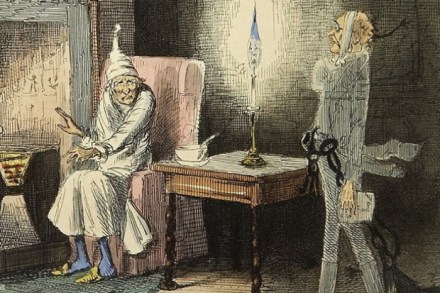
I always feel sorry for Marley’s ghost in Charles Dickens’s 'A Christmas Carol.' He wore a heavy chain he had unknowingly forged in life. Unlike Scrooge, Marley had not received ghostly visitors to warn him of his future burden. Marley’s chain was made up of 'cash-boxes, keys, padlocks, ledgers, deeds and heavy purses wrought in steel.' The chains many people are forging today are made of high mortgages, shiny new cars, and bundles of credit cards. And we are dragging these heavy debts with us into the uncertainties of the post-Brexit world. Low interest rates have not only scuppered the plans of those living off savings. They have also given borrowers a false sense of security, making them dangerously comfortable with big debt.

Insurers need to shape up and treat their customers properly

From our UK edition

Tom Hiddleston and Taylor Swift’s romance is hot news in China, where online stores have been offering ‘break-up insurance'. People, especially Hiddleston’s adoring female fans, have been paying up to 400 yuan, about £41, to predict how long the relationship will last. They hoped to double or even triple their cash. Now Chinese authorities have ordered the stores to withdraw the schemes sharpish. Individuals can’t sell insurance in China, and in any case this is really betting - something also outlawed unless sanctioned by the state. But then isn’t all insurance really betting, a bet against yourself that you will lose, that your house will burn down, your dog will need expensive surgery, that you will die prematurely?

How to close the gender pay gap

From our UK edition

Nearly half a century after Ford Dagenham women sewing machinists struck for equal pay, a new survey shows women are still being penalised in the workplace - for having children. Equal pay for equal work is enshrined in law thanks to the bravery of those strikers, yet a cavernous gender pay gap remains. But now it is the demands of childcare -- rather than sexist bosses -- that is the enemy of equality. A TUC report has shown that fathers earn 21 percent more than other men. Mothers over the age of 33 typically earn 15 per cent less than women without children. Men usually work longer and harder when they have children. Women, who have children, even full-timers, often do the opposite at work. They become clock-watchers and part-timers, turning down promotions and skipping travel.

Budget blues: who will be the biggest losers?

From our UK edition

A song is buzzing around my head. 'It's the same the whole world over: It's the poor what gets the blame. It's the rich what gets the pleasure; Ain't it all a bloomin' shame?' It was triggered by grim new research from the think tank Resolution Foundation claiming that 85 per cent of benefits from promised income tax cuts would go to the wealthiest half of Britain. The Foundation says even when the tax-free personal allowance on income is raised - from £10,600 to £12,500 by 2020 - it will be the better-off who will be the winners because our 4.6 million lowest paid workers earn under £10,600. And, rubbing salt in the wound, hopes of global recovery are evaporating, throwing off Chancellor George Osborne’s calculations.