Lucy Vickery

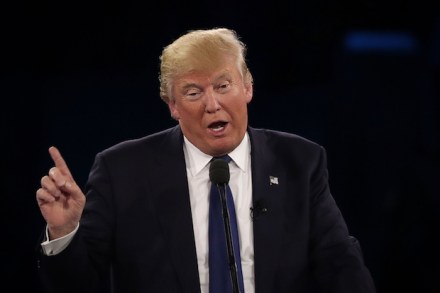
Spectator competition winners: Donald Trump reviews Gibbon’s Decline and Fall of the Roman Empire

From our UK edition

The latest competition invited you to submit a review of a well-known work of literature that has been written by a comically inappropriate reviewer. Some of you chose well-known individuals for the job; others provided reviews written by anonymous writers but penned in a comically inappropriate style. Honourable mentions go to Nicholas Stone and John O’Byrne, who let Donald Trump loose on The Odyssey and Brave New World respectively. I also liked Jane Moth’s assessment of Great Expectations from the perspective of a reviewer writing for All Things Bridal magazine: ‘So we opened Great Expectations with much anticipation, knowing that great expectations are precisely what our executive brides have.

Mismatch

From our UK edition

In Competition No. 2943 you were invited to submit a review of a well-known work of literature that has been written by a comically inappropriate reviewer. Honourable mentions go to Nicholas Stone and John O’Byrne, who let Donald Trump loose on The Odyssey and Brave New World. Jane Moth and Frank Upton also caught my eye. The winners take £25; the bonus fiver is Bill Greenwell’s.

Spectator competition winners: what are little boys and girls made of?

From our UK edition

The latest competition invited you to give a couple of old nursery rhymes a contemporary twist by composing a new verse that incorporates the lines ‘What are little girls made of?’ and ‘What are little boys made of?’. This challenge was a potential minefield, given how high feelings run nowadays when it comes to the thorny issue of gender identity. Still, those brave souls that took the plunge produced a witty and well judged entry. I especially admired Carolyn Thomas-Coxhead’s nifty Tom Lehrer-inspired submission; Nicholas Stone, Martin Parker and George Simmers also shone. The winners earn £25, except W.J. Webster, who nabs £30. W.J.

Gender reassignment

From our UK edition

In Competition No. 2942 you were invited to submit a rhyme incorporating the lines ‘What are little girls made of?’ and ‘What are little boys made of?’ This challenge was a potential minefield, given how high feelings run nowadays when it comes to the thorny issue of gender identity. Still, those brave souls that took the plunge produced a witty and well judged entry. I especially admired Carolyn Thomas-Coxhead’s nifty Tom Lehrer-inspired submission; Nicholas Stone, Martin Parker and George Simmers also shone. The winners earn £25, except W.J. Webster, who nabs £30.   What are little girls made of Is a question that’s better not put: Answer only if you’re not afraid of Finding your mouth full of foot.

Spectator competition winners: diary of a superfluous man

From our UK edition

The invitation to supply a short story entitled ‘Diary of a Superfluous Man’ was inspired by Ivan Turgenev’s novella of the same name. Turgenev’s Tchulkaturin; Pushkin’s Eugene Onegin; Goncharov’s Oblomov: these ‘superfluous men’ are not simply literary types, says the critic David Patterson, but represent a ‘paradigm of a person who has lost a point, a place, a presence in life’. A few submissions contained clear references to 19th-century Russian literature’s hollow men, but there were many echoes elsewhere in the entry of the nihilism, cynicism and fatalism that characterises them. The winners earn £25, D.A. Prince pockets £30, and honourable mentions go to Amanda Nicholson, Jim Campbell and G.M. Southgate.

Short story | 31 March 2016

From our UK edition

In Competition No. 2941 you were invited to supply a short story entitled ‘Diary of a Superfluous Man’. Turgenev’s Tchulkaturin; Pushkin’s Eugene Onegin; Goncharov’s Oblomov: these ‘superfluous men’ are not simply literary types, says the critic David Patterson, but represent a ‘paradigm of a person who has lost a point, a place, a presence in life’. A few submissions contained clear references to 19th-century Russian literature’s hollow men, but there were many echoes elsewhere in the entry of the nihilism, cynicism and fatalism that characterises them. The winners earn £25; D.A. Prince pockets £30.

Spectator competition winners: Dr Seuss on Donald Trump

From our UK edition

The latest challenge was to supply Dr Seuss’s take on the US presidential race. Given his taste for taking down bullies, tyrants and hypocrites, it seems unlikely that Theodor Geisel would have been a fan of the frontrunner for the Republican nomination, who, as might be expected, loomed large in your submissions. It was a tall order to ape Seuss’s imaginative, subversive genius but you produced a cracking entry. Commendations to Mae Scanlan, Frank Upton, Brian Allgar and Alan Millard. Those printed below take £25; Chris O’Carroll pockets £30. Chris O’Carroll McTrumpeter trumpets, ‘I’m born to be Prez! I say the things no other candidate sez! I’m richer than God! I’m a TV star, too!

Seuss talk

From our UK edition

In Competition No. 2940 you were invited to supply Dr Seuss’s take on the US presidential race. Given his taste for taking down bullies, tyrants and hypocrites, it seems unlikely that Theodor Geisel would have been a fan of the frontrunner for the Republican nomination, who, as might be expected, loomed large in your submissions. It was a tall order to ape Seuss’s imaginative, subversive genius but you produced a lively and varied entry. Commendations to Mae Scanlan, Frank Upton, Brian Allgar and Alan Millard. Those printed below take £25; Chris O’Carroll pockets £30. McTrumpeter trumpets, ‘I’m born to be Prez! I say the things no other candidate sez! I’m richer than God! I’m a TV star, too!

Preposterous pet

From our UK edition

In Competition No. 2939 you were invited to submit a poem about a famous person and an unlikely pet. There’s plenty of inspiration out there in the real world. A photograph from 1969 shows Salvador Dalí emerging from the subway, his rather dejected-looking pet anteater in tow. And then there is Gérard de Nerval, who considered the lobster to be an ideal companion: ‘They are peaceful, serious creatures … and they don’t gobble up your monadic privacy like dogs do.’ He used to take his for a walk round the Paris-Royal in Paris on a lead made of blue silk ribbon. You more than matched these -bonkers pairings.

Spectator competition winners: a 21st-century elegy on a country churchyard

From our UK edition

The latest competition marked the tercentenary of Thomas Gray’s birth with an invitation to submit an ‘Elegy on a Country Churchyard’ written in the metre of his famous and enduringly popular poem. General Wolfe was a such a fan of Gray’s meditation on death and remembrance that in 1759, on the eve of the attack on Quebec, he is said to have read the poem to his officers, declaring, ‘I would rather have been the author of that piece than beat the French tomorrow.’ It obviously struck a chord with you too, and there were stellar performances all round. Congratulations and commiserations to the following, who fell victim to a lack of space but are worthy runners-up: John Beaton, John Priestland, Katie Mallett, George Simmers, T.J.

Gray matter

From our UK edition

In Competition No. 2938, to mark the tercentenary of Thomas Gray’s birth, you were invited to submit an ‘Elegy on a Country Churchyard’ written in the metre of his famous and enduringly popular poem. Every-one was a winner this week, but frustratingly we have room for only six. Those printed below take £25. The bonus fiver is Chris O’Carroll’s.   Time was these mossy stones drew reverent throngs As Sundays called the village to this place, But years have hushed our common prayers and songs. We thrive now on a different brand of grace.   Jazz concerts in this yard have we convened, And readings by the poets of the shire, About whose verses this much we have gleaned: Few know of them and fewer still admire.

Spectator competition winners: John Terry’s secret diary

From our UK edition

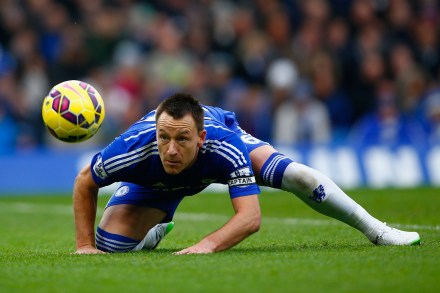
The invitation to submit extracts from the diaries of the famous that their writers did not wish the world to see was taken up with gusto. Josh Ekroy impressed, lifting the lid on F.R.Leavis’ and C.P. Snow’s chummy trysts; Alan Millard wasn’t alone in outing God-botherer Richard Dawkins; and here’s a snippet from Sylvia Fairley’s entry, which blows the whistle on Wordsworth: Walked around Ullswater in pensive mood, unable to find a suitable rhyme for ‘hills’. My dear sister, as ever, solved my predicament ... the muse inspired her, and she has completed the poem already. Hats off, all round, but especially to the winners, printed below, who are rewarded with £25 each. The bonus fiver belongs to Basil Ransome-Davies.

For their eyes only

From our UK edition

In Competition No. 2937 you were invited to submit extracts from the diaries of the famous that their writers did not wish the world to see. Josh Ekroy impressed, lifting the lid on F.R. Leavis’s and C.P. Snow’s chummy trysts; Alan Millard wasn’t alone in outing God-botherer Richard Dawkins; and here’s a snippet from Sylvia Fairley’s Wordsworth: Walked around Ullswater in pensive mood, unable to find a suitable rhyme for ‘hills’. My dear sister, as ever, solved my predicament … the muse inspired her, and she has completed the poem already.   It was an enjoyable entry: hats off all round. The winners take £25. The bonus fiver belongs to Basil Ransome-Davies.   Sunday: another away draw yesterday.

Spectator competition winners: the national anthem Ian Dury might have written

From our UK edition

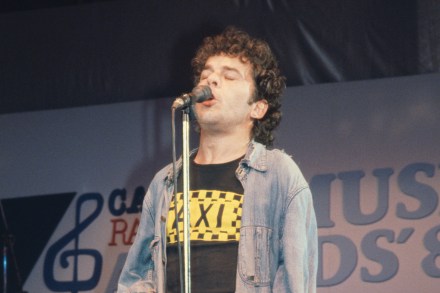
Following Tom Shakespeare’s recent suggestion that now might be a good time to ditch ‘God Save the Queen’ — ‘terrible tune, with banal lyrics’ — and replace it with something that more accurately reflects contemporary Britain, competitors were invited to propose lyrics for a new British national anthem. In an entry whose tone varied wildly, my favourite was Bill Greenwell’s jaunty reimagining of ‘Hit Me with Your Rhythm Stick’ by the late, great Ian Dury, which is refreshingly lacking in jaundice, sentimentality or jingoism.

Country music | 25 February 2016

From our UK edition

In Competition No. 2936 you were invited to propose lyrics for a new British national anthem. Tom Shakespeare recently suggested that now might be a good time to ditch ‘God Save the Queen’ — ‘terrible tune, with banal lyrics’ — and replace it with something that more accurately reflects contemporary Britain. My favourite, in an entry whose tone varied wildly, was Bill Greenwell’s jaunty reimagining of ‘Hit Me with Your Rhythm Stick’ by the late, great Ian Dury, which is refreshingly lacking in jaundice, sentimentality or jingoism. He takes £35. The rest earn £30.

Spectator triolet competition winners: ‘Penelope Cruz has told me no’

From our UK edition

Your latest challenge was to compose a Valentine’s triolet. A famous example of the triolet is Frances Cornford’s catty ‘To a Fat Lady seen from the Train’ (‘O fat white woman whom nobody loves/ Why do you walk through the field in gloves’), but it was that ace trioleteer Wendy Cope’s rather more charming ‘Valentine’ that prompted me to invite you to take on this medieval form. It was a varied, funny and accomplished entry: you rose admirably to the challenge of breathing life into your triolets, despite the formal straitjacket. The winners below take £15 each. Rosemary Kirk You weren’t the one I would have picked if it had been just down to me. My friend insisted, so I ticked.

Valentine’s triolet

From our UK edition

In Competition No. 2935 you were invited to submit a Valentine’s triolet. A famous example of the triolet is Frances Cornford’s catty ‘To a Fat Lady seen from the Train’ (‘O fat white woman whom nobody loves/ Why do you walk through the field in gloves’), but it was that ace trioleteer Wendy Cope’s rather more charming ‘Valentine’ that prompted me to invite you to take on this medieval form. It was a varied, funny and accomplished entry: you rose admirably to the challenge of breathing life into your poems despite the formal straitjacket. The winners below take £15 each.   You weren’t the one I would have picked if it had been just down to me. My friend insisted, so I ticked.

Spectator competition winners: ‘The Donald – as I call him – is a secret I can’t share’: poems suitable for inclusion in ‘Now We Are Rich’

From our UK edition

For the latest competition you were invited to submit a poem suitable for inclusion in Now We are Rich. There was no obligation to write in the style of A.A. Milne, but most of you did. I enjoyed Barbara Kirby’s neat take on Milne’s ‘A Thought’ : If I were Ted and Ted were me, Then he’d sit here and I’d serve tea. If Ted were me and I were Ted, I'd dump it on the bleeder’s head. There were stellar performances, too, from D.A. Prince, Warren Clements, Max Gutmann, Martin Parker and George Simmers, who were unlucky to go unrewarded. The winners printed below take £30 apiece. Bill Greenwell lands the bonus fiver for his ‘Binker’-inspired entry.

Now we are rich

From our UK edition

In Competition No. 2934 you were invited to submit a poem suitable for inclusion in Now We are Rich. You weren’t obliged to write in the style of A.A. Milne, but most of you did. Long lines mean that there is space for only five winners this week; D.A. Prince, Warren Clements, Max Gutmann, Martin Parker and George Simmers were unlucky to be squeezed out. Those that made the cut are printed below and take £30 apiece. Bill Greenwell’s ‘Binker’-inspired entry earns him the extra fiver.   The Donald — as I call him — is a secret I can’t share The Donald is the reason why I have such golden hair Making market killings, stealing from the poor Whatever cut I’m taking, the Donald tells me, ‘More!

Spectator competition winners: misery memoir blurbs

From our UK edition

Reader Tom Dulake suggested that I invite competitors to submit a blurb for a misery memoir, which struck me as a good idea. Who knows what drives the reading public’s appetite for other people’s suffering, but they seem to lap it up. The ‘Painful Lives’ sections of bookshops heave with mis lit, harrowing accounts of torment and degradation, though publishers prefer to describe the genre as inspirational lit, or inspi-lit for short (the idea being that it shows how the human spirit can transcend even the most horrifying abuse). The entries printed below feature a bit of triumph but mostly torture, and unsure whether to congratulate or commiserate with their authors, I award the bonus fiver to W.J.Webster; the rest take £25 each. W.J.